Laduma Ngxokolo’s Paris Fashion Week milestone brought MaXhosa Africa onto one of fashion’s most influential stages. Behind the moment is a business shaped by cultural memory, local manufacturing and a design identity built over 16 years.
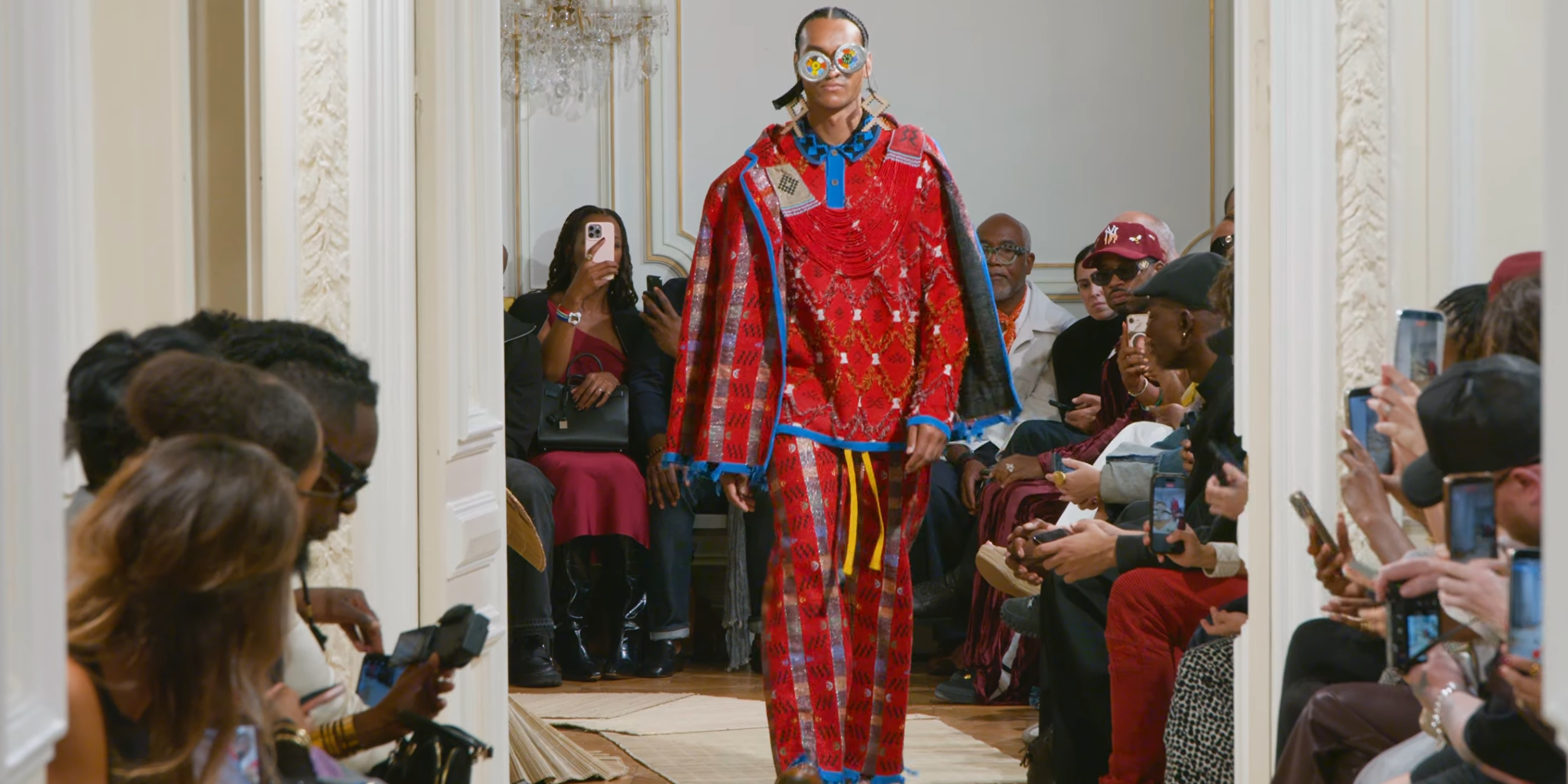
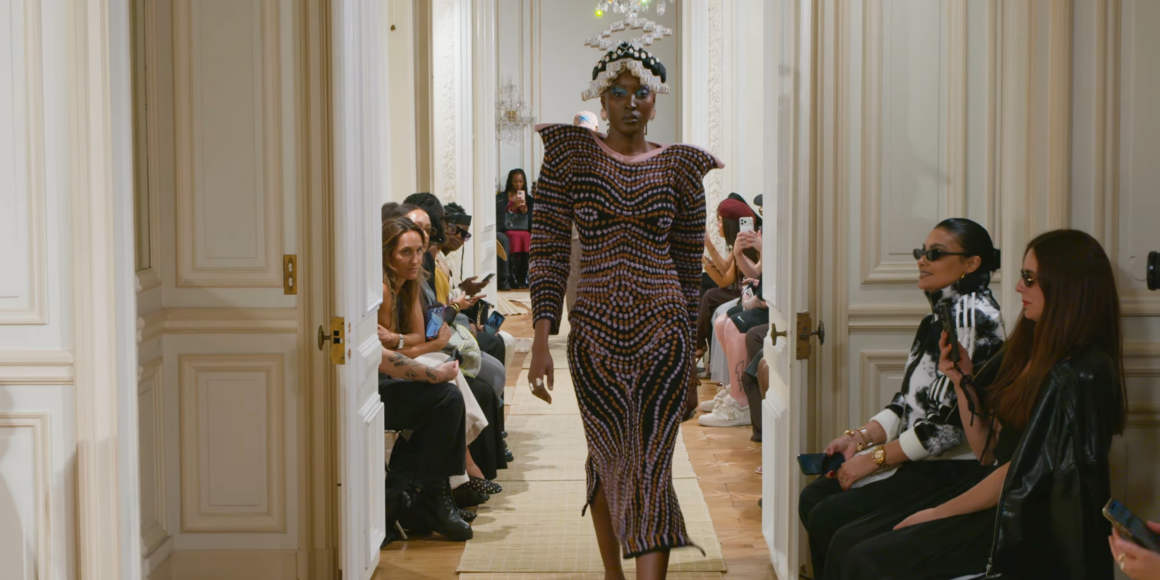
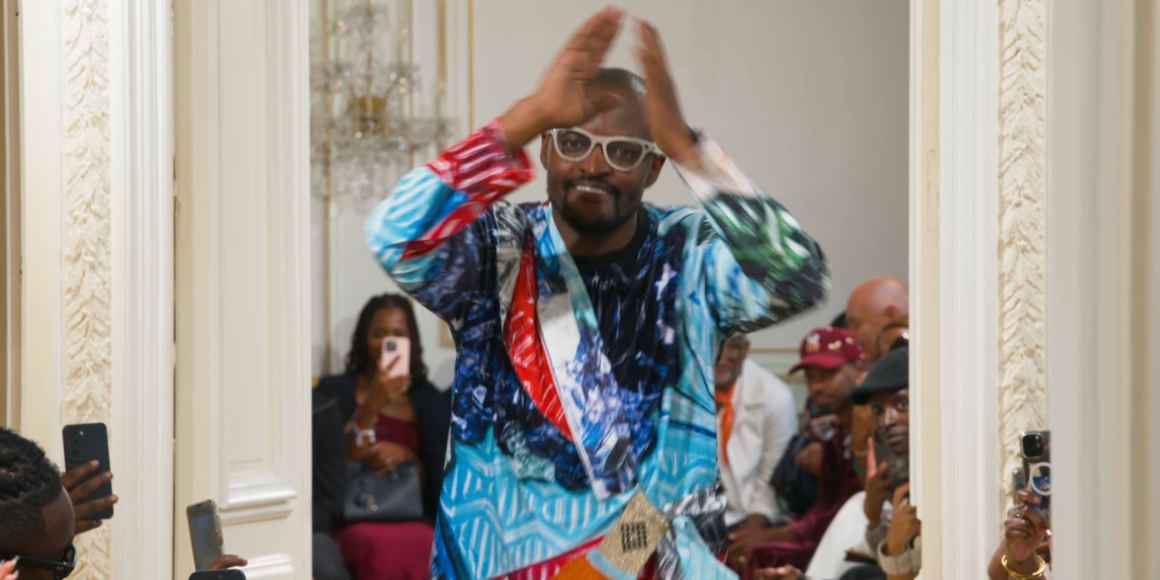
MaXhosa Africa presented its Spring–Summer 2027 collection in Paris, marking the brand’s first full runway show on the official Paris Fashion Week Women’s Ready-to-Wear calendar. For founder Laduma Ngxokolo, the occasion represented a significant step in a journey that began in 2010. For the business, it placed a distinctly South African design language before an international fashion audience while bringing renewed attention to the work behind the label: its manufacturing base, creative direction and long-term ambition.
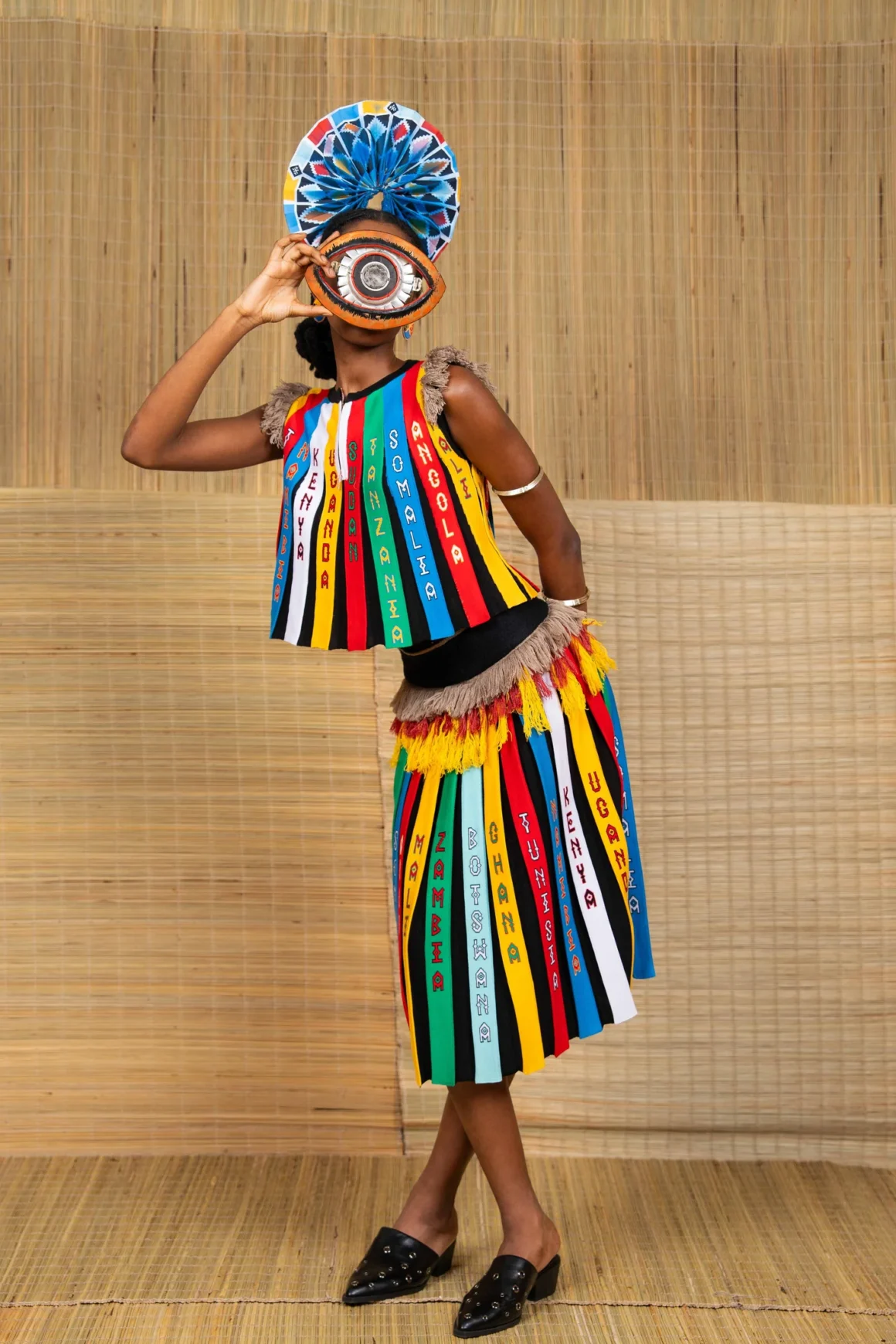
The collection, titled Izihlwele Zivumile — translated by the brand as The Ancestors Have Approved — gave the milestone a meaning beyond international visibility. MaXhosa framed the collection as a reflection on its origins, the people and generations that shaped it, and the journey that brought the house to Paris. Its central idea was continuity: carrying cultural stories forward through contemporary design rather than leaving them behind in pursuit of global recognition.
From Cultural Identity To Commercial Identity
Since its founding, MaXhosa Africa has developed a recognisable visual language through knitwear, pattern, colour and references to Xhosa culture. That consistency has helped distinguish the brand in a crowded international market, where a clear design identity can be as commercially important as the product itself.
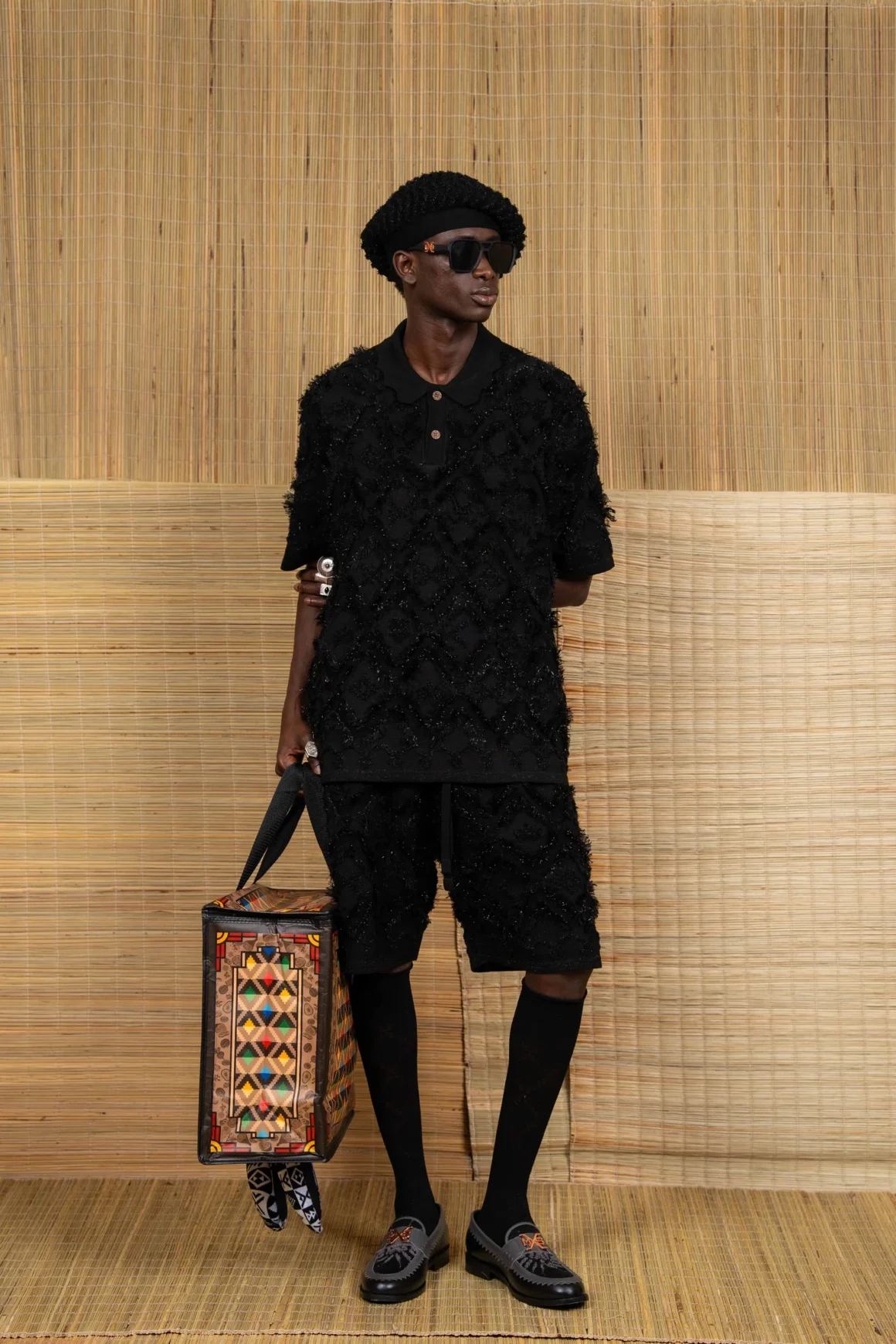
With Izihlwele Zivumile, the house continued to evolve that language through silhouette, textiles, construction and artistry. The collection’s significance lies partly in how these elements work together: cultural references remain central, while their expression moves into a contemporary fashion vocabulary capable of speaking to audiences beyond the context in which those references originated.
The collection also introduced the MaXhosa Africa Passport, described by the brand as a symbol of its journey, roots and the cultural stories it carries. The gesture reinforces an idea that runs through the label’s development: international expansion does not have to mean detachment from the place and people that made the brand distinctive.
Manufacturing As A Competitive Advantage
MaXhosa’s business is supported by an established local production operation. According to reporting by AFP, the company employs approximately 300 people, operates eight stores and has two factories in Johannesburg and East London. Ngxokolo told the news agency that around 90% of the brand’s products are produced in-house.
That manufacturing capacity matters. Luxury fashion depends on more than a recognisable name or a compelling runway presentation. Product quality, consistency, craftsmanship and the ability to translate creative ideas into finished goods all influence whether a brand can sustain demand as it grows.
For MaXhosa, keeping a substantial share of production in-house offers closer involvement in how its knitwear is made. It also connects the company’s cultural positioning to the practical work of producing garments in South Africa. The factories are not a separate story from the brand’s identity; they are part of the infrastructure through which that identity becomes a product.
Local manufacturing does not remove the challenges of international growth. Distribution, production planning, pricing, inventory and access to new customers still require careful management. But an established production base gives the business a foundation on which to build, rather than leaving its international ambitions dependent on visibility alone.
The Economics Of Recognition
Ngxokolo has spoken about spending 16 years fighting to “sit at the table”. The Paris appearance was therefore a milestone in a long process of establishing the brand, not the beginning of its story.
A place on the official calendar can strengthen a designer’s visibility and provide a platform for new relationships with buyers, media, collaborators and potential commercial partners. Yet recognition and revenue are different measures of success. The longer-term value of the show will depend on what follows: whether interest translates into purchases, stronger distribution, repeat customers and opportunities that support the business beyond a single collection.
Ngxokolo has also pointed to the absence of a globally recognised fashion house that is proudly and unequivocally made in Africa. His references to established names such as Gucci and Louis Vuitton indicate the scale of the ambition, but MaXhosa’s opportunity rests on building its own position rather than replicating another house’s identity.
The distinction is important. A globally competitive African luxury brand needs to demonstrate that its provenance, creative vision and production standards can coexist with commercial discipline. MaXhosa’s challenge is to make its particular combination of cultural authorship and knitwear craftsmanship compelling to an international customer over time.
Building A Brand Beyond The Founder
The next stage of growth will also test how well MaXhosa’s identity can operate beyond its founder. Laduma Ngxokolo remains central to the label’s creative story, but a durable fashion house needs systems, people and production capabilities that can sustain its standards as the business expands.
Its existing stores, factories and workforce provide a base for that development. The question is how to extend the brand’s reach while protecting the quality and recognisability that helped it stand apart. Growth that outpaces production or weakens the design language could undermine the very qualities that make MaXhosa distinctive.
The brand’s Paris presentation also brought fashion and music together through the participation of South African musician Sjava. This was consistent with MaXhosa’s wider framing of the moment as cultural diplomacy: a meeting of creative disciplines that carried South African cultural expression into an international setting.
The company described the chapter through three words: “Cultural. Diplomacy. Regalia.” They offer a useful lens through which to understand the collection and the business. Cultural identity informs the product; diplomacy creates a point of connection across borders; and regalia positions the work within a language of ceremony, significance and presentation.
An African Luxury Business On An International Stage
The Izihlwele Zivumile collection placed ancestry and generational memory at the centre of a major international fashion moment. Its title, the MaXhosa Africa Passport and the presence of Sjava all contributed to a presentation that connected clothing to a broader cultural narrative.
But the business implications extend beyond the runway. MaXhosa has spent years developing a recognisable aesthetic, building local manufacturing capacity and establishing a presence through its own retail network. Paris offered another stage on which those investments could be seen. The next task is to turn that visibility into sustainable commercial momentum without compromising the foundations of the brand.
For African luxury, that distinction matters. International recognition is valuable, but long-term influence depends on the ability to build companies that can produce consistently, employ skilled people, develop markets and remain connected to their cultural origins. MaXhosa’s Paris milestone brought those questions into sharper focus.
The runway made the statement. The business will determine how far it travels.