The SiSi The Collection co-founder on collecting with intention, building a distinctive design language, and the South African designers she believes deserve greater recognition.
There’s a moment in conversation with Yasmin Furmie when she interrupts a question about brand collaborations to make something plain: “You don’t want them to kill the creativity.” It’s a small line, but it captures how she approaches almost everything — fashion, collecting, business, her own reinvention. Furmie, who co-founded SiSi The Collection with her friend and designer Cynthia Allie, has built a brand — and a reputation — on being unwilling to be told what to do, and unwilling to do it to anyone else either.
Solid Colours, No Prints, No Apologies
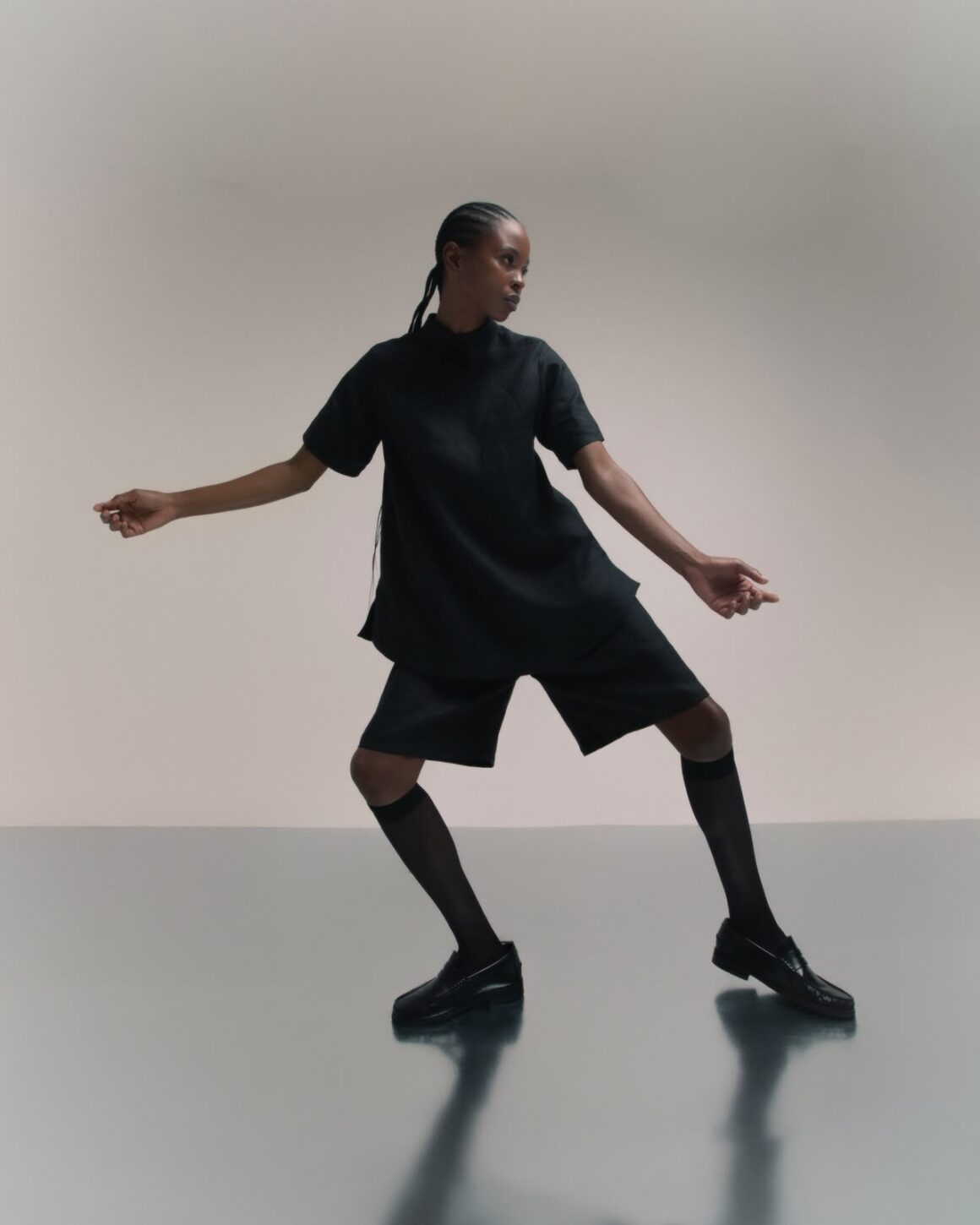
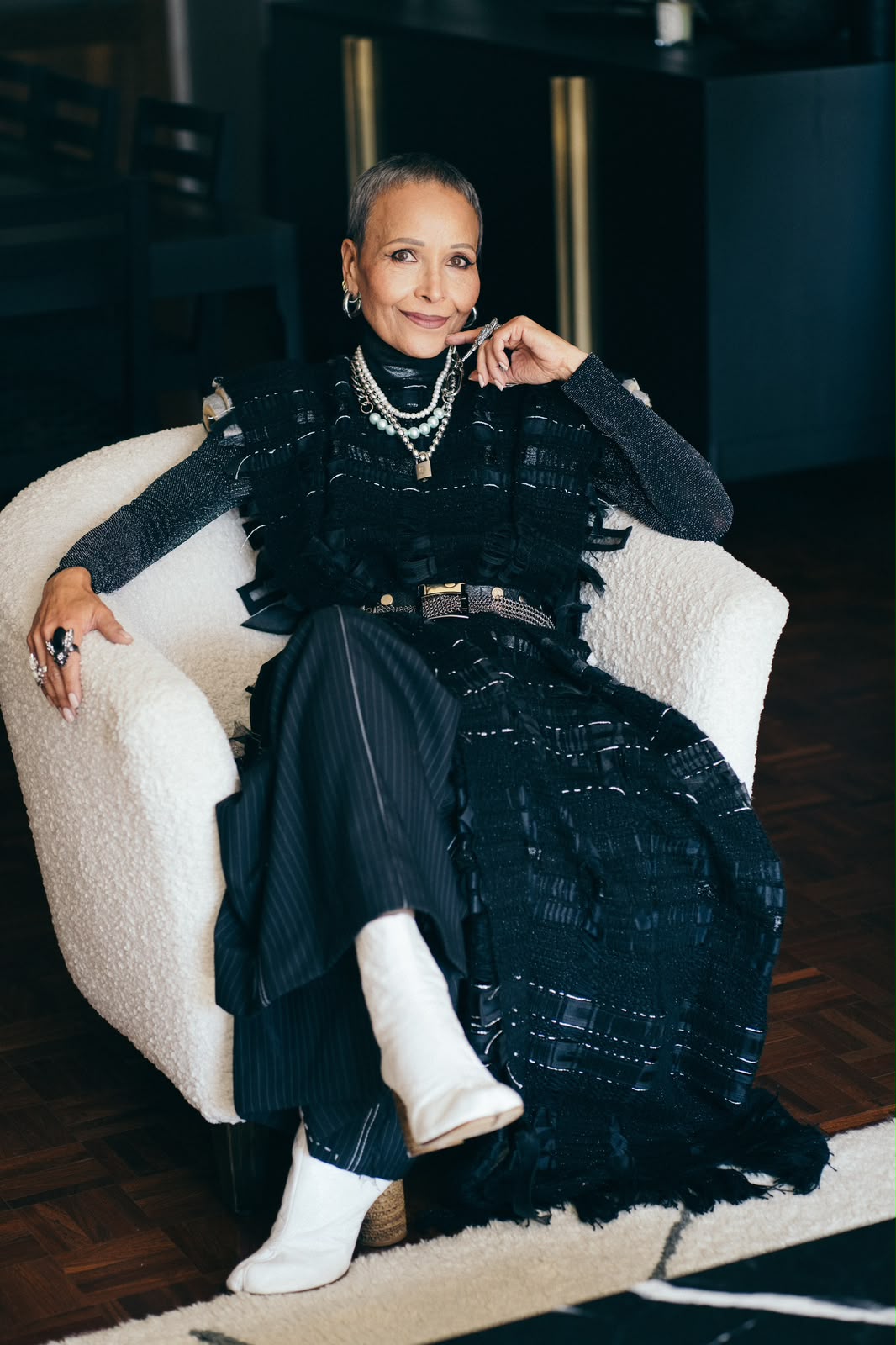
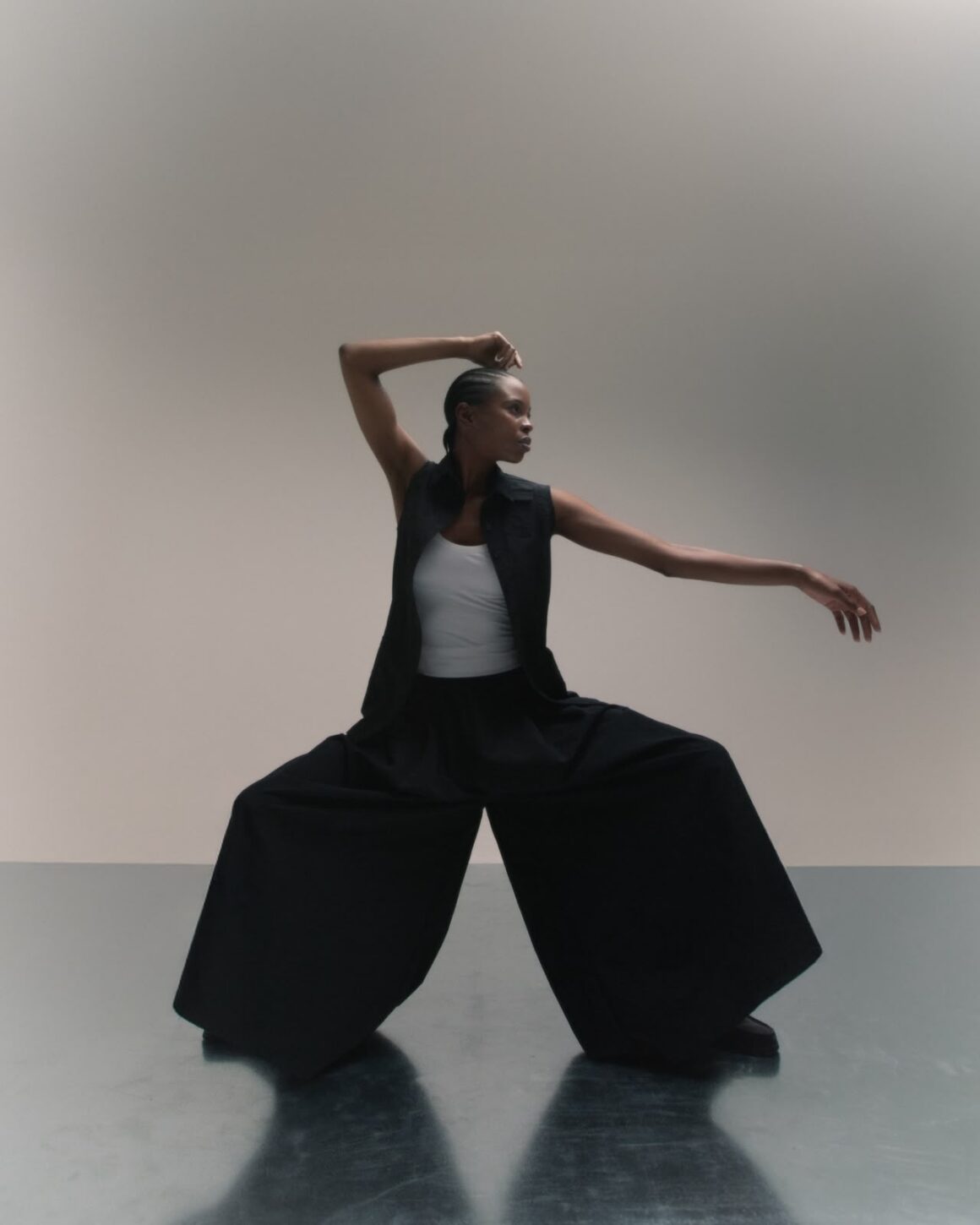
Ask Furmie about SiSi’s design philosophy and she’ll tell you what it isn’t first: no prints. “Thank goodness we don’t have prints,” she says, only half-joking — it’s a practical safeguard in a local industry where designers, she admits, often draw fabric from the same handful of wholesalers. “When you’re wearing a print and somebody else comes with a different design but that same fabric, it’s very difficult.” Solid black, white or navy sidesteps the problem entirely, but it’s also simply what she and Allie love: voluminous, oversized pieces that “hang off the body,” with nothing tight by design.
That looseness extends to who the clothes are for. SiSi doesn’t design exclusively for women, even if that’s the majority of its clientele — a safari jacket built oversized for women ended up being worn by men just as often, and a shirt collection marketed toward menswear was, in practice, bought mostly by women for themselves. “It’s a mixture of taste,” she says. The brand isn’t fully plus-size either, by her own admission, though she’s aware of the tension in the feedback: people who love that SiSi’s silhouettes are forgiving sometimes wish the models wearing them reflected that more directly. It’s not a philosophical position so much as a business one, she says plainly — cost and scale make multiple model bookings a hard sell for a brand of SiSi’s size.
What Collecting Actually Means
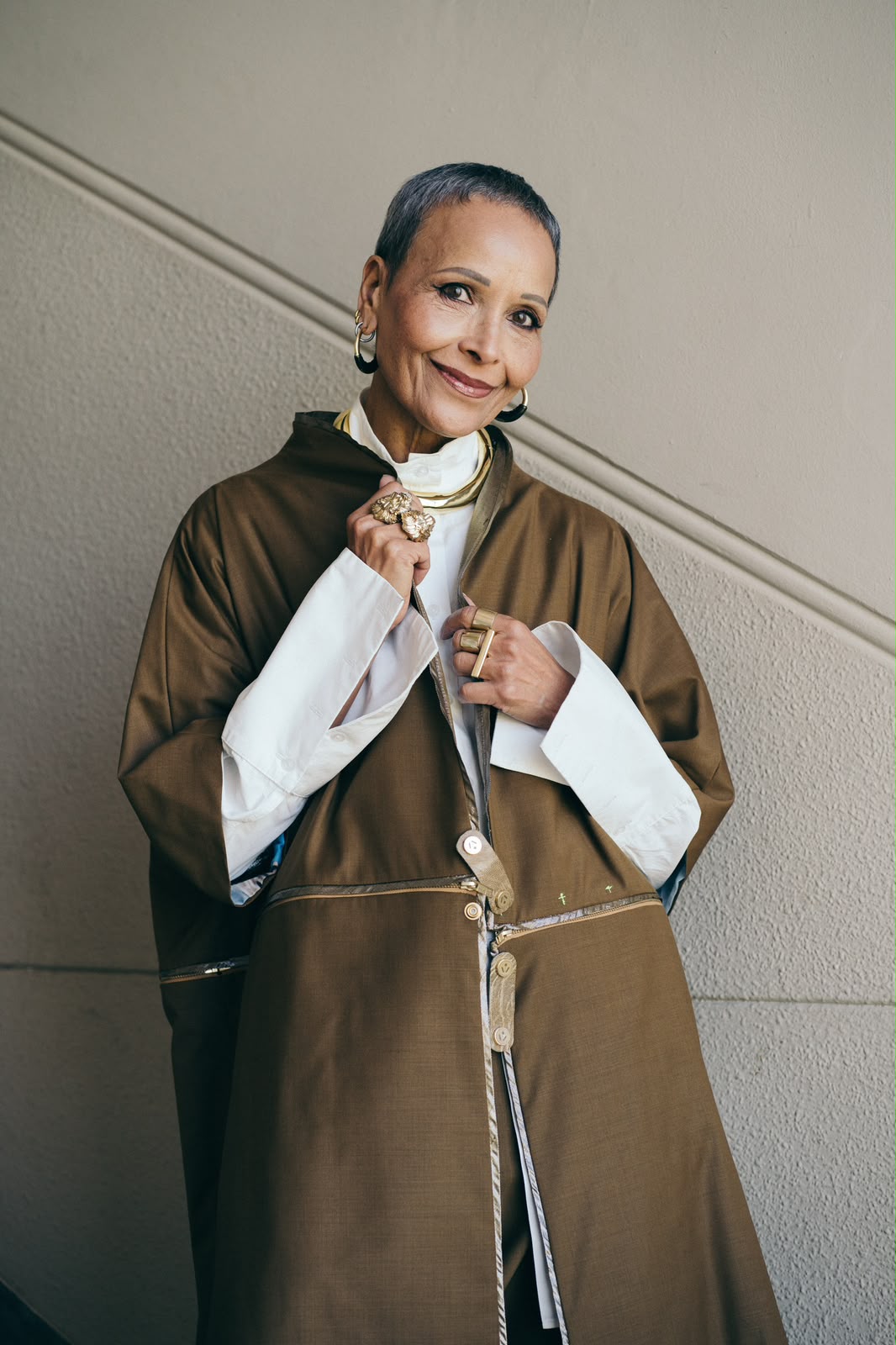
Furmie resists being called an art collector, even though she owns pieces she loves. Her real collections, she says, are jewellery, clothes and watches — accumulated slowly, for reasons that don’t need anyone else’s validation. “I’ve just collected things over the years that I feel that I love, and that are important to me, not necessarily important to anyone else.” She wanted a watch instead of a wedding ring when she got married, and the instinct hasn’t changed: buy what moves you, keep it regardless of whether it goes mainstream, and don’t let anyone’s opinion — including “everybody’s wearing them now” — talk you out of something you already loved first.
That same instinct shapes how she thinks about taste more broadly. Something can be commercially massive and still miss “excellent,” she argues — she points to the oversized hoodie boom as a moment that sold enormously without necessarily being a triumph of design. And excellence, in turn, can go completely unnoticed: she describes a friend who makes strikingly beautiful ceramics but lacks the confidence to put the work in front of anyone, set against people with far less skill who “believe it, and say I’m here” — and get noticed simply because they showed up loudly enough. “Sometimes you need that,” she admits. “A little bit of arrogance.”

The South African Design Case
Furmie is unambiguous about the South African designers whose work she believes deserves recognition. Lezanne Viviers of Viviers Studio stands out to her for fabrication and a design language so distinct “you can just tell it’s hers,” while Thebe Magugu’s work appeals to her because it is never “just a collection” but is backed by research and a story. She also points to Rich Mnisi, Sindiso Khumalo and Lukhanyo Mdingi among the designers whose work she believes in.
Her frustration is reserved for a specific local habit: the assumption that South African design is automatically overpriced, while imported luxury gets a pass. “People won’t mind buying Prada or Gucci,” she says, “but they’ll say South African design is too expensive.” For her, the maths is simple — small-batch, artisanal production, often made by a single pair of hands, cannot and should not be priced like something turned out by the thousand in a factory. She’s candid that she does the same math when she shops: fewer pieces, chosen with intention, worn for years, rather than the “fast in, fast out” cycle of cheaply made imports that get discarded within a month.
She’s just as direct about the flip side — brands, local or global, that copy outright rather than draw inspiration. She recounts a South African store reproducing one of SiSi’s shirt designs stitch for stitch not long after a collection launched. “There’s something that you can’t stop,” she says of it, matter-of-factly. “If you’ve got big money, you can just go and copy it.”
Reinvention as a Practice, Not an Event
Furmie has rebuilt her own path more than once, and she’s candid that fear — not lack of opportunity — was usually the thing standing in the way. The idea for the business, she says, existed years before she acted on it. “I wish I’d known it was okay” to move before feeling fully ready, she reflects. What she wants for her own children, and for herself, is permission to change direction at any point in life without regret — an ethos she extends into how she wants the wider creative industry to behave: less gatekeeping, more openness about resources, manufacturers and opportunity, rather than a small “cool crowd” perpetually getting platformed while other talented people go unseen.
Asked who she’d hold up as a model of quiet, sustained excellence, she doesn’t hesitate: William Kentridge. What she admires isn’t just the scale of his career, but the manner of it — recognition earned without any need to announce it. “The work speaks for itself,” she says. “It’s not, there’s no noise about it.” It’s a fitting description, in the end, of what Furmie seems to be building too: a brand, and a body of taste, that doesn’t ask to be noticed so much as simply refuses to be anything other than itself