|
Getting your Trinity Audio player ready...
|
The South African visual activist receives the 2026 Hasselblad Award, recognising a photographic practice that preserves Black queer histories, challenges exclusion and insists on the dignity of being seen.
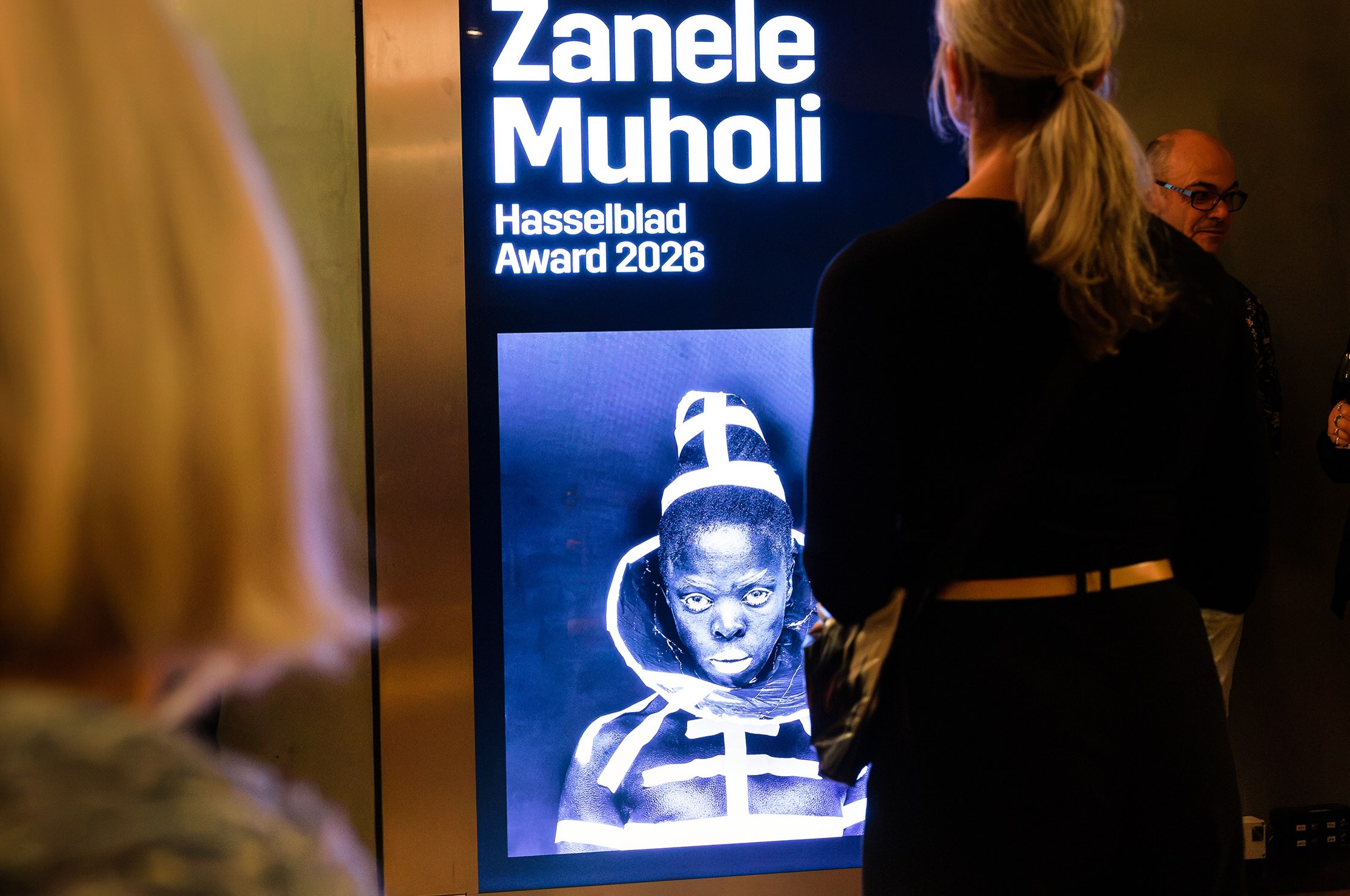
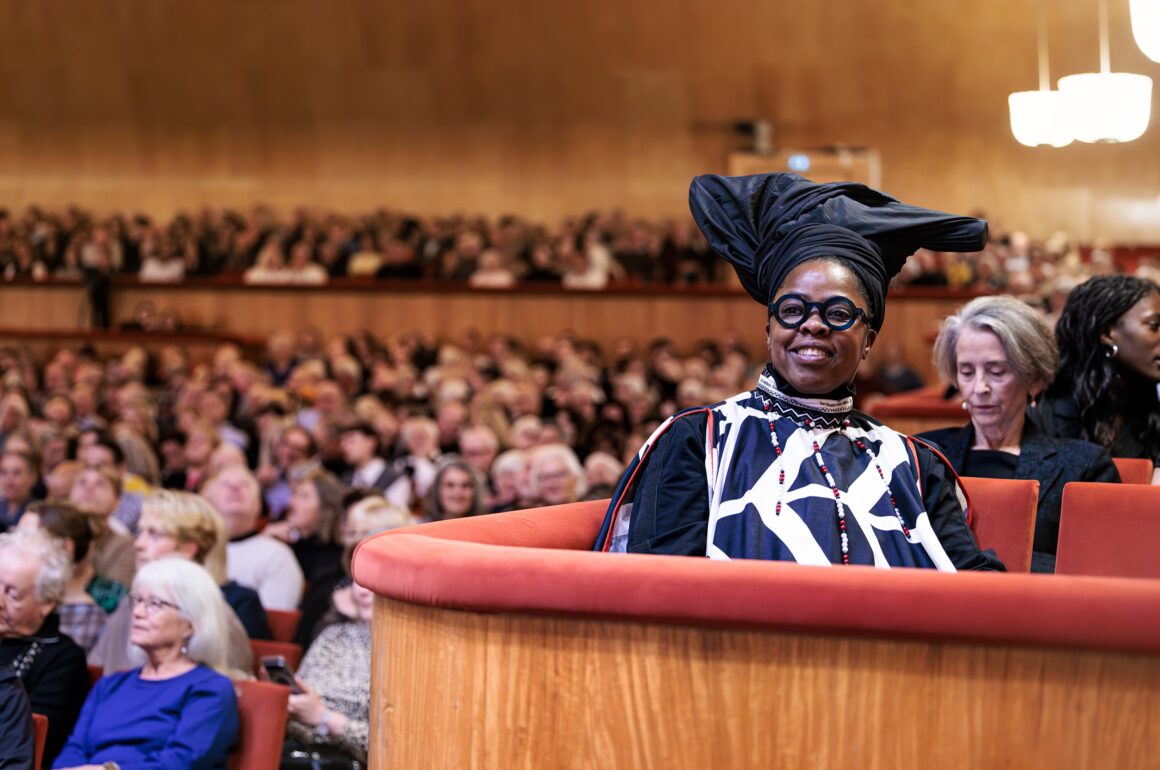
On 9 October 2026, Zanele Muholi received the Hasselblad Award in Gothenburg, Sweden, joining a distinguished group of photographers recognised for their contribution to the medium. Now in its 46th edition, the award carries a prize of SEK 2 million, a gold medal and a Hasselblad camera. For Muholi, however, the recognition reaches beyond individual achievement. It brings renewed attention to a body of work shaped by the lives, histories and experiences of Black LGBTQIA+ communities in South Africa and across the world.
The Hasselblad Foundation describes Muholi as one of the most influential contemporary photographers, noting the way their work combines formal mastery with activism and community engagement. Through portraiture, self-portraiture and long-term documentary projects, Muholi has challenged the prejudice and exclusion that shape how Black queer people are represented, while creating alternative visual histories in which individuals appear with agency, depth and dignity.
Muholi’s response to the award reflected the collective nature of that practice. They dedicated the recognition to the people who had entrusted them with their stories, from Umlazi to communities around the world, and to those whose lives have been erased, overlooked or denied representation. The prize, they explained, belonged to the community as much as to the artist.
It is a distinction that runs through their work: the camera is both an artistic instrument and a means of preserving evidence of lives that deserve to be remembered.
Faces And Phases: Twenty Years Of Visibility
Initiated in 2006, Faces and Phases has become one of Muholi’s defining projects. Now in its twentieth year, the ongoing photographic series documents Black lesbian, transgender and queer communities through portraits that place individual identity and self-representation at the centre.
The project began as an act of resistance against systemic violence. Its significance has grown into something equally concerned with history: an expanding archive of people, relationships and lived experiences that might otherwise remain absent from dominant visual records.
Each portrait asks the viewer to look carefully. The subjects meet the camera with directness and dignity, resisting the reduction of their lives to stereotypes or statistics. Collectively, the photographs create a record of a community across time, preserving individual identities while reflecting the bonds that connect people and generations.
The archive also challenges the idea that history is simply what institutions choose to preserve. By documenting people on their own terms, Muholi contributes to a record built from within the community itself. It is a form of authorship that places representation in the hands of those whose stories are being told.
The project’s longevity is central to its power. Over two decades, Faces and Phases has developed into a sustained act of documentation, reminding audiences that visibility is not secured by a single image or moment of recognition. It requires continued attention, care and the commitment to keep recording lives as they unfold.
Somnyama Ngonyama: Reclaiming The Frame
In Somnyama Ngonyama, translated as “Hail the Dark Lioness”, Muholi turns the camera towards themself. The ongoing series of self-portraits uses the visual languages of classical portraiture, fashion, domestic labour and ethnographic imagery to question the historical representation of Black bodies.
The images are formally striking. Light, contrast, composition and carefully chosen materials transform the familiar conventions of portraiture into a space of confrontation. Muholi occupies the frame with intention, controlling how their image is constructed and inviting viewers to examine the assumptions they bring to it.
The work draws attention to the unequal histories embedded in photography, including traditions in which Black people were made subjects of other people’s narratives. Through self-representation, Muholi shifts that relationship. They determine the terms of their own visibility, using the portrait to challenge stereotypes and question how race, gender and identity are read.
The series demonstrates the relationship between artistic precision and political purpose that defines Muholi’s wider practice. Its force lies not only in what the images depict, but also in how they compel the viewer to consider the power involved in making and interpreting an image.
Beyond The Camera
Muholi’s practice extends beyond the production of photographs. Their commitment to collective empowerment and knowledge-building has informed the creation of initiatives designed to support queer media, visual activism and emerging artists.
Founded in 2009, Inkanyiso was established as a forum dedicated to queer and visual activist media. The Muholi Art Institute, founded in 2022, continues this broader commitment through its focus on supporting and developing emerging artists across disciplines.
These initiatives are important to understanding Muholi’s work as a connected practice rather than a collection of exhibitions and projects. Documentation, education, community participation and the development of future creative voices all contribute to the wider purpose of preserving stories and creating space for others to tell their own.
Their influence can be seen in the conversations surrounding race, representation, activism and human rights, as well as in the photographers and artists who have drawn inspiration from their approach to socially engaged image-making.
Recognition In Gothenburg
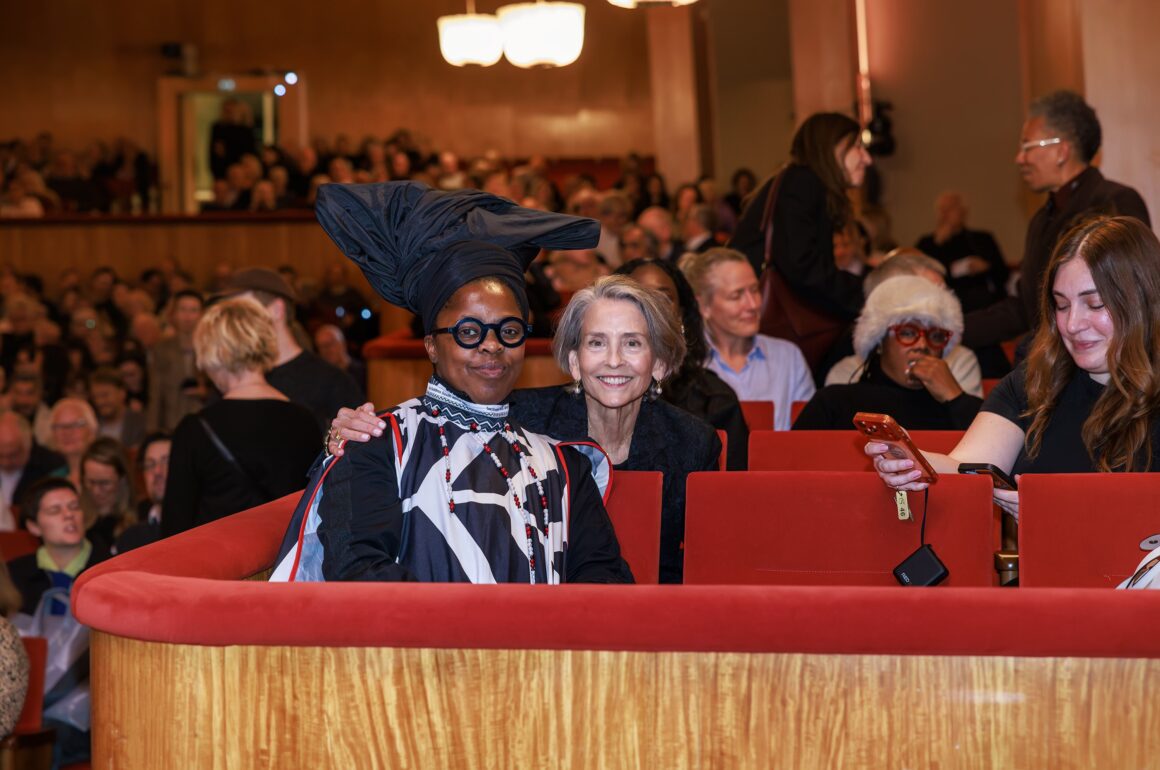
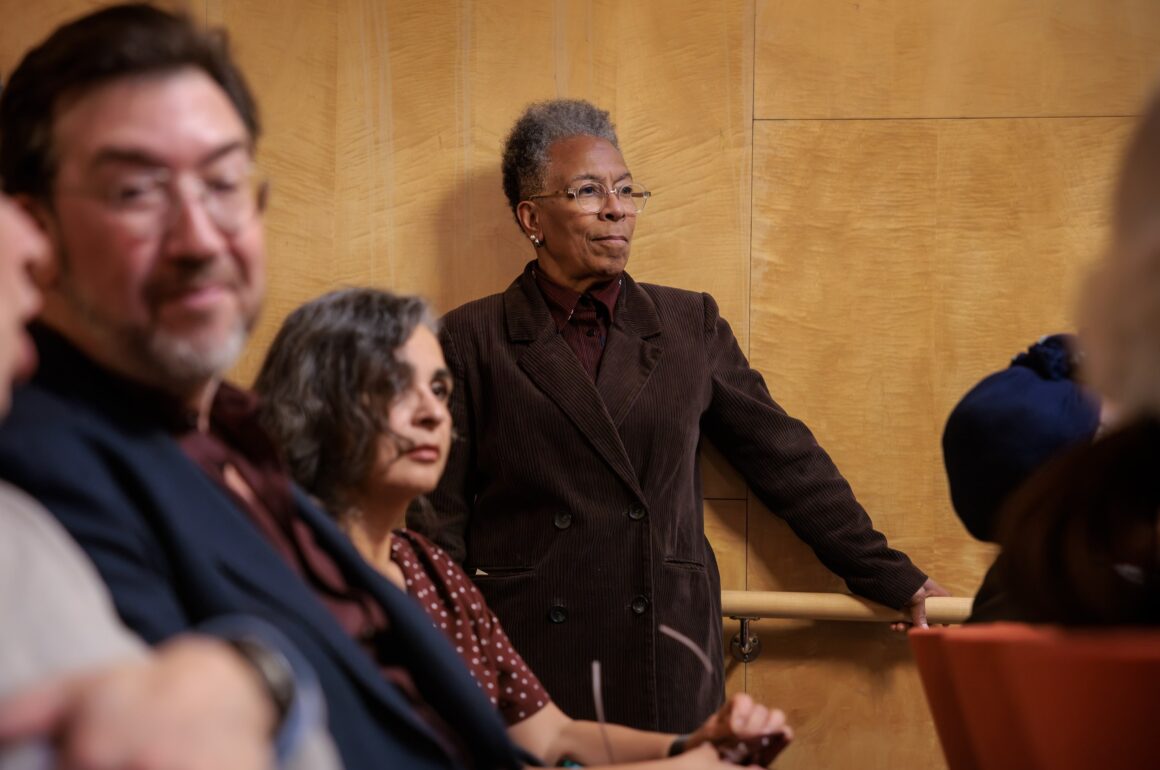
The award celebrations brought Muholi’s achievement into a wider cultural programme in Gothenburg. On 8 October, the Hasselblad Concert at Gothenburg Concert Hall honoured the laureate through an evening of music featuring the Gothenburg Symphony Orchestra, conductor Kent Nagano, pianist Rudolf Buchbinder and other soloists.
The programme also included the seminar The Mechanisms of Exclusion – Conversations Across Art, Democracy and Science, which considered whose stories are seen, whose voices are heard and how space can be created for perspectives that have historically been excluded.
These questions closely reflect the concerns running through Muholi’s work. Their photographs challenge the conditions that determine who is represented and remembered, while their community initiatives address the importance of creating platforms in which people can participate in shaping their own cultural narratives.
The celebrations continued with the opening of a solo exhibition at the Hasselblad Center on 10 October. Curated by Louise Wolthers and Dragana Vujanović Östlind of the Hasselblad Foundation, alongside Lufuno Ramadwa of the Muholi Art Institute, the exhibition runs until 4 April 2027.
For visitors, the exhibition offers an opportunity to encounter Muholi’s practice within the institution recognising its international significance. It also places their work in the context of a wider conversation about photography’s capacity to preserve memory, challenge exclusion and change how people understand one another.
A Record That Cannot Be Ignored
Muholi was born in 1972 in Umlazi, Durban, during apartheid. They studied advanced photography at the Market Photo Workshop in Johannesburg and completed a Master of Fine Arts in Documentary Media at Ryerson University in Toronto in 2009. Their work has since been exhibited internationally, including at Tate Modern in London, the San Francisco Museum of Modern Art and the Venice Biennale.
That international reach has not displaced the specificity of their practice. The work remains connected to the people and histories that inform it, demonstrating how an artist can contribute to global conversations while retaining a clear cultural and social point of departure.
The Hasselblad Award recognises that achievement, but the deeper significance of Muholi’s work lies in the archive they continue to build. Their photographs preserve the faces, names and experiences of people who have too often been denied the opportunity to define their own place in history.
The question at the heart of the work is ultimately simple: what happens when people are no longer absent from the record? Muholi’s answer is found in the photographs themselves, in the communities they document and in the platforms they help create for future generations.
Visibility, in this practice, is not a fleeting moment of attention. It is the work of ensuring that people are seen as full human beings, that their histories remain accessible and that future generations inherit a richer, more truthful account of the world.
The award honours Muholi’s contribution to photography. Their enduring achievement is the insistence that the lives within those photographs matter — and that no history should be able to claim it did not know they were there.