|
Getting your Trinity Audio player ready...
|
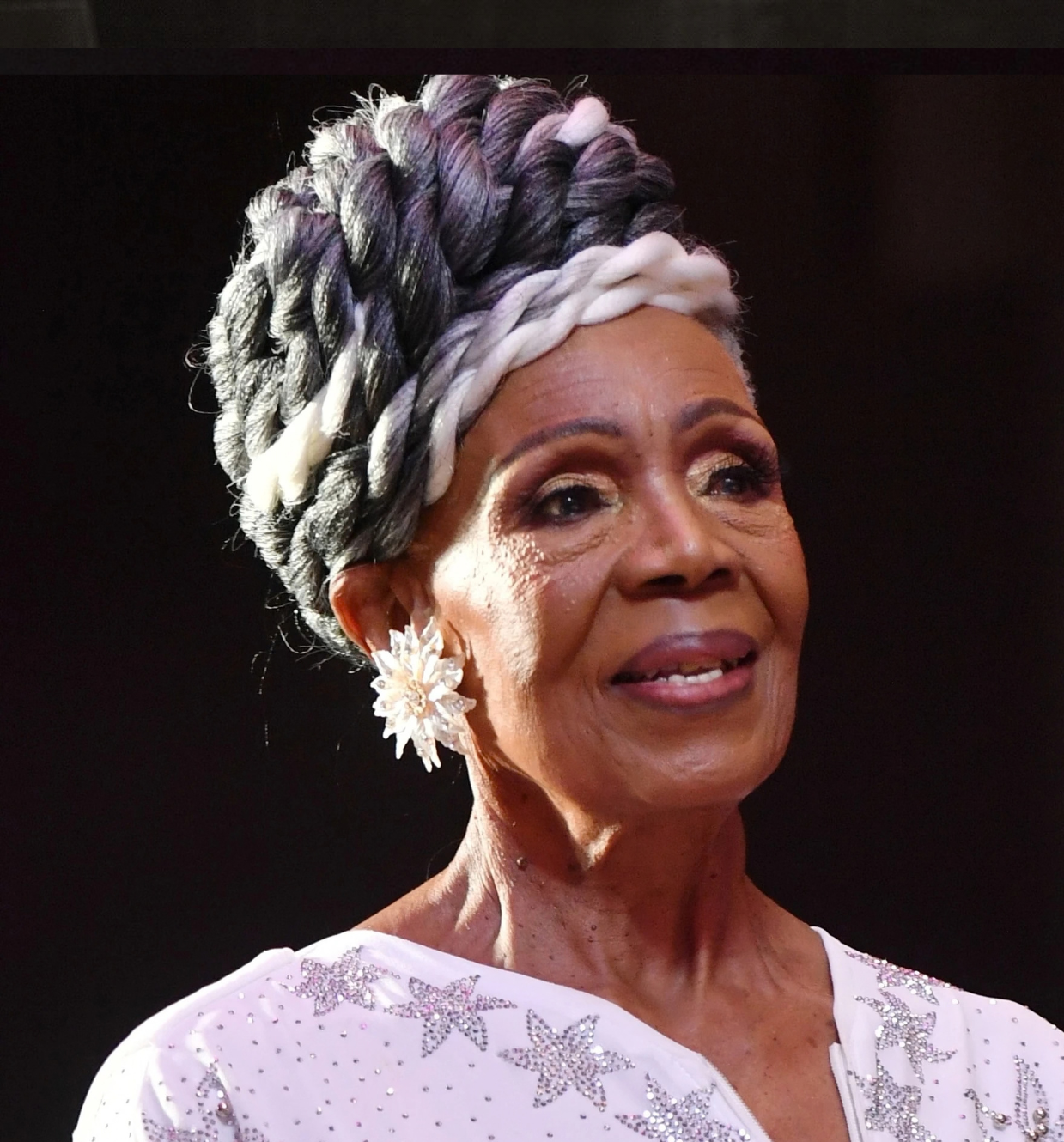
After 69 years in the entertainment industry, Mama Abigail Kubeka continues to embody the resilience, discipline and cultural influence of a generation that helped shape South African music, theatre and performance.
On 30 August 2026, the room was gathered to celebrate a woman who has spent almost seven decades giving her voice to South Africa’s cultural life.
As part of the Standard Bank Joy of Jazz programme, the Ignite Her Soul Experience brought together women from music, arts, culture, business and leadership to honour Mama Abigail Kubeka and reflect on her extraordinary contribution to the country’s creative landscape.
For Kubeka, however, the afternoon was not something she had expected.
At 86, after 69 years in the entertainment industry, she described herself as emotional, grateful and lost for words.
There is something particularly powerful about that moment: a woman whose career has been witnessed by generations suddenly becoming the audience for her own story.
Sixty-Nine Years Of A Life In The Arts
Kubeka’s career stretches across music, theatre and television, making her one of the enduring figures of South African popular culture.
For six decades, she has moved through changing musical landscapes, different generations of performers and an industry that has itself undergone extraordinary transformation. Her longevity is not simply a statistic. It is a record of adaptability, discipline and an ability to remain creatively present while the world around her changed.
She continues to work, including a role in Generations: The Legacy and a recent appearance in Dear Sis Dolly.
That continued presence is important.
Kubeka’s story is not being told from the distance of retirement. She remains an active participant in the cultural life she helped shape.
The Significance Of Being Honoured
Ignite Her Soul was created as a celebration of women and their contribution to music and culture, but Kubeka’s presence gave the occasion a deeper historical dimension.
The programme brought together figures including Mama Barbara Masekela, Mantwa Chinoamadi, Yolisa Koza, Gabi Motuba, Maleh, Music Shed and Noeleen Maholwana-Sanqu, among others. The afternoon included an opening circle, Tribute Wall, spoken word, music and conversations.
The gathering was therefore both celebration and remembrance.
It recognised a woman whose career belongs to several generations at once, while creating an opportunity for contemporary women to acknowledge the cultural foundations that came before them.
The Value Of Longevity
Kubeka has identified longevity itself as one of the achievements of which she is most proud.
After 69 years in the industry, she has seen careers begin and end, musical tastes change and new generations emerge. Yet her own relationship with performance has remained intact.
And she does not speak about the future as though it has already closed.
“I feel like there’s still more that I can do,” she told TRUELOVE, adding that she is ready.
That perspective changes the meaning of a legacy story.
Kubeka’s legacy is not simply something that can be placed in the past tense. It continues to develop.
The Discipline Behind The Career
Perhaps the most revealing part of Kubeka’s reflections is how practical her advice remains.
For younger creatives hoping to build lasting careers, she identifies discipline, honesty, self-belief and respect as essential qualities.
There is no complicated formula in those words.
They speak instead to the foundations of longevity: showing up, respecting the craft, maintaining integrity and understanding that a career is built over time.
For an industry increasingly shaped by immediacy, visibility and digital attention, there is something valuable in hearing that perspective from someone whose career has survived multiple eras of entertainment.
More Than A Performer
Kubeka’s importance extends beyond her individual performances.
Artists who remain active across generations become repositories of cultural memory. Their careers contain traces of different periods of a country’s history, and their continued presence allows younger audiences to encounter those histories through a living person rather than an archive alone.
That is part of what made Ignite Her Soul significant.
The occasion did not simply look backwards. It placed Kubeka among women who continue to shape the present.
The tribute therefore became a conversation between generations rather than a farewell.
How She Wants To Be Remembered
Perhaps the most revealing measure of Kubeka’s legacy comes from how she describes the person she hopes to leave behind.
She wants to be remembered as a messenger, someone who taught and healed people, someone who loved people, and as a beautiful person both inside and out.
It is a strikingly human definition of legacy.
After decades of music, theatre and television, the achievement she chooses to emphasise is ultimately about what she gave to other people.
The Voice Continues
Ignite Her Soul gave South Africa an opportunity to pause and acknowledge Abigail Kubeka while she could still receive that recognition herself.
That matters.
Cultural legacies are often formalised only after an artist’s career has ended, when exhibitions, retrospectives and tributes become acts of remembrance. There is a different intimacy in celebrating a living artist and allowing her to hear the stories being told about her.
For Kubeka, the story continues.
Sixty-nine years into her career, she remains active, visible and curious about what comes next.
And perhaps that is the most fitting tribute of all: not simply to remember the voice of a generation, but to continue listening while it is still singing.