|
Getting your Trinity Audio player ready...
|
Tesla’s long-awaited electric supercar has returned with a dramatic flying demonstration, SpaceX-developed thrusters and a production target of 2028.
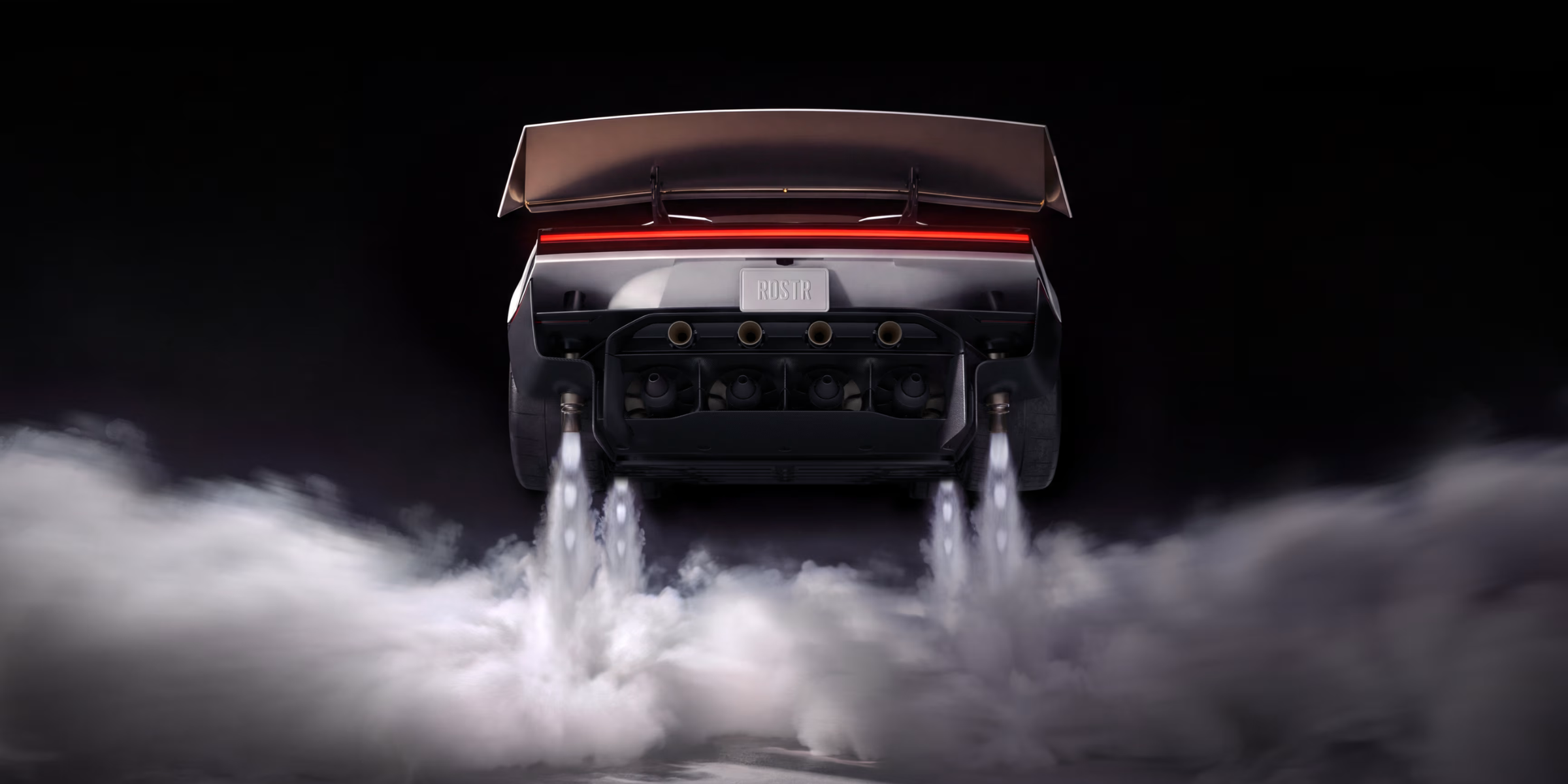
For years, the next-generation Tesla Roadster has existed somewhere between an ambitious engineering promise and one of the automotive industry’s most anticipated electric performance projects. On 15 October 2026, Tesla brought the car back into the spotlight with a dramatic unveiling in Texas, demonstrating a redesigned Roadster equipped with rocket-style thrusters developed in collaboration with SpaceX.
The presentation went beyond conventional acceleration figures. During the demonstration, the two-seat electric sports car travelled upside down along a curved ramp using a suction system, then performed aerial manoeuvres before returning to the ground using its integrated thrusters. The display offered a glimpse of Tesla’s ambition to combine electric performance with technology drawn from the aerospace world.
The Roadster’s return is significant in its own right. First presented in 2017, the second-generation model has faced years of delays, with its original delivery ambitions repeatedly pushed back. Tesla now says production is targeted for 2028, although the final specifications, pricing and regulatory status of its more experimental features remain important considerations.
Performance Beyond Conventional Limits
Tesla’s original Roadster specifications set an ambitious benchmark for electric performance. The company’s published figures include a 0–60 mph acceleration time of 1.9 seconds, a top speed exceeding 250 mph and an estimated driving range of 620 miles. These remain manufacturer-stated targets for the proposed vehicle, rather than independently verified production results.
The latest unveiling adds another dimension to that performance ambition. The thruster-equipped configurations are intended to push acceleration and vehicle manoeuvrability beyond what conventional road-car engineering typically delivers. Reporting from the event describes the system as using compressed gas and integrated thrusters, with suction technology assisting the vehicle during the inverted ramp demonstration.
These demonstrations are striking, but they should be understood as a presentation of developing technology rather than proof that every proposed capability will be available in a production car. Tesla has yet to establish the full operational limits, certification requirements and real-world performance of the system.
A Design Built Around Aerodynamics
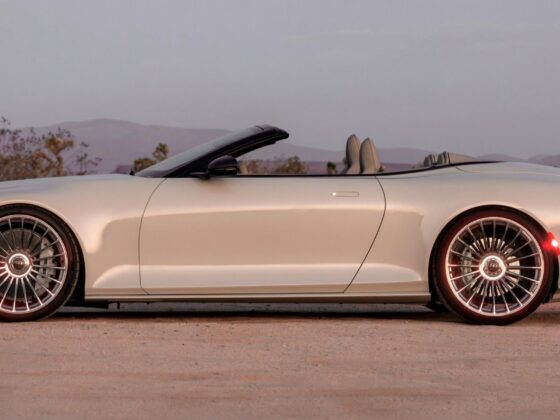
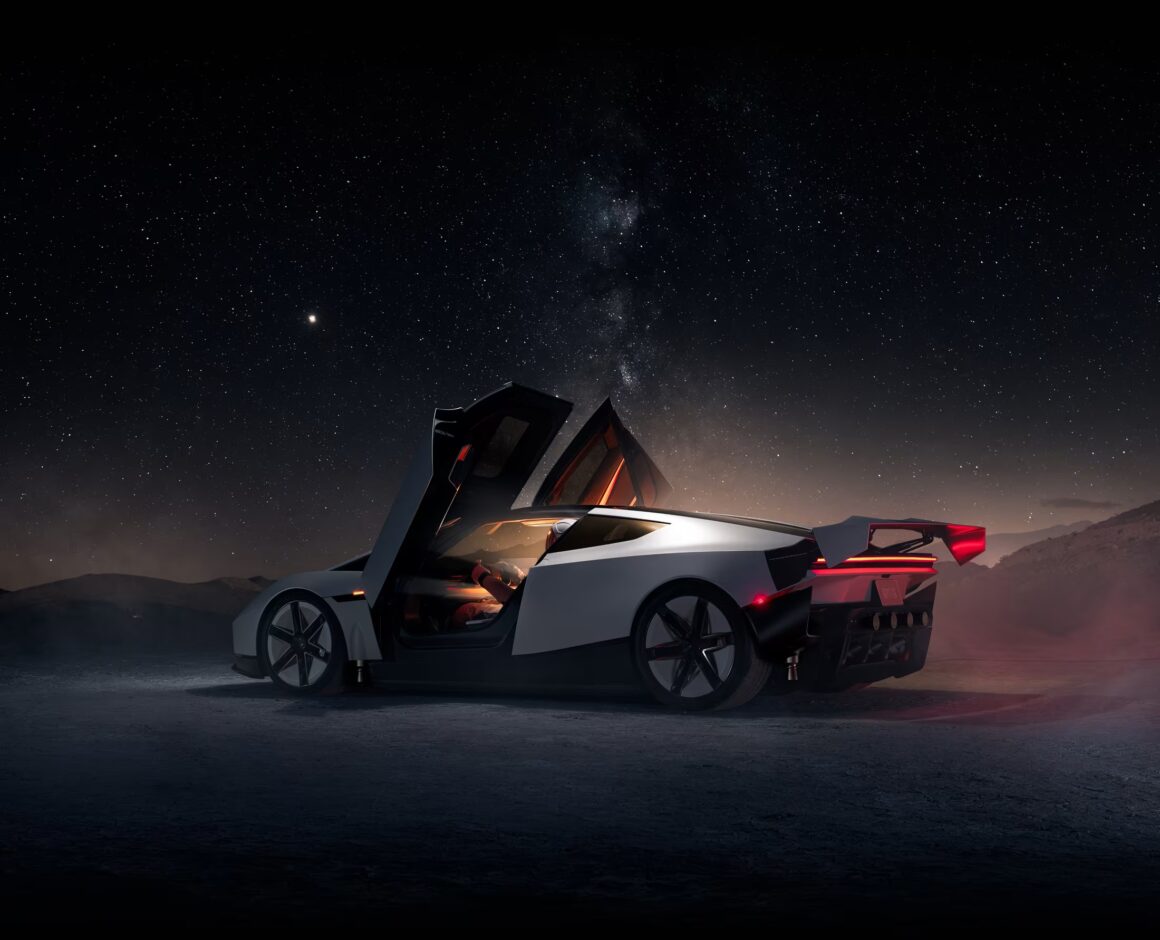
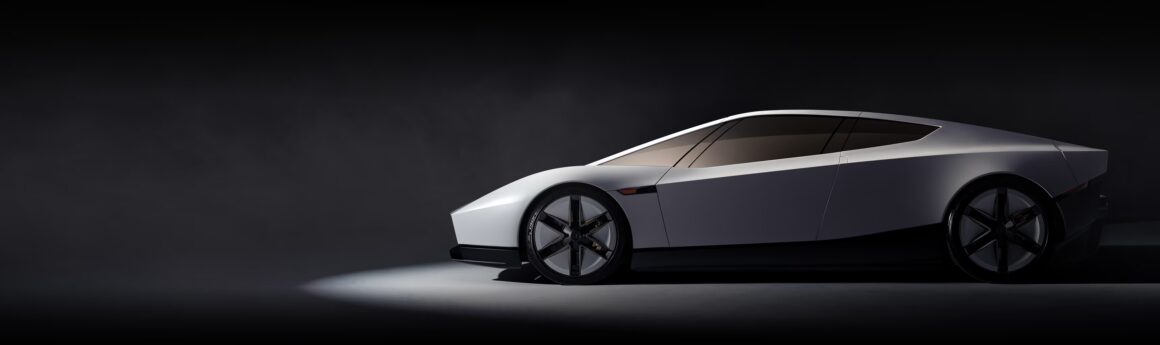
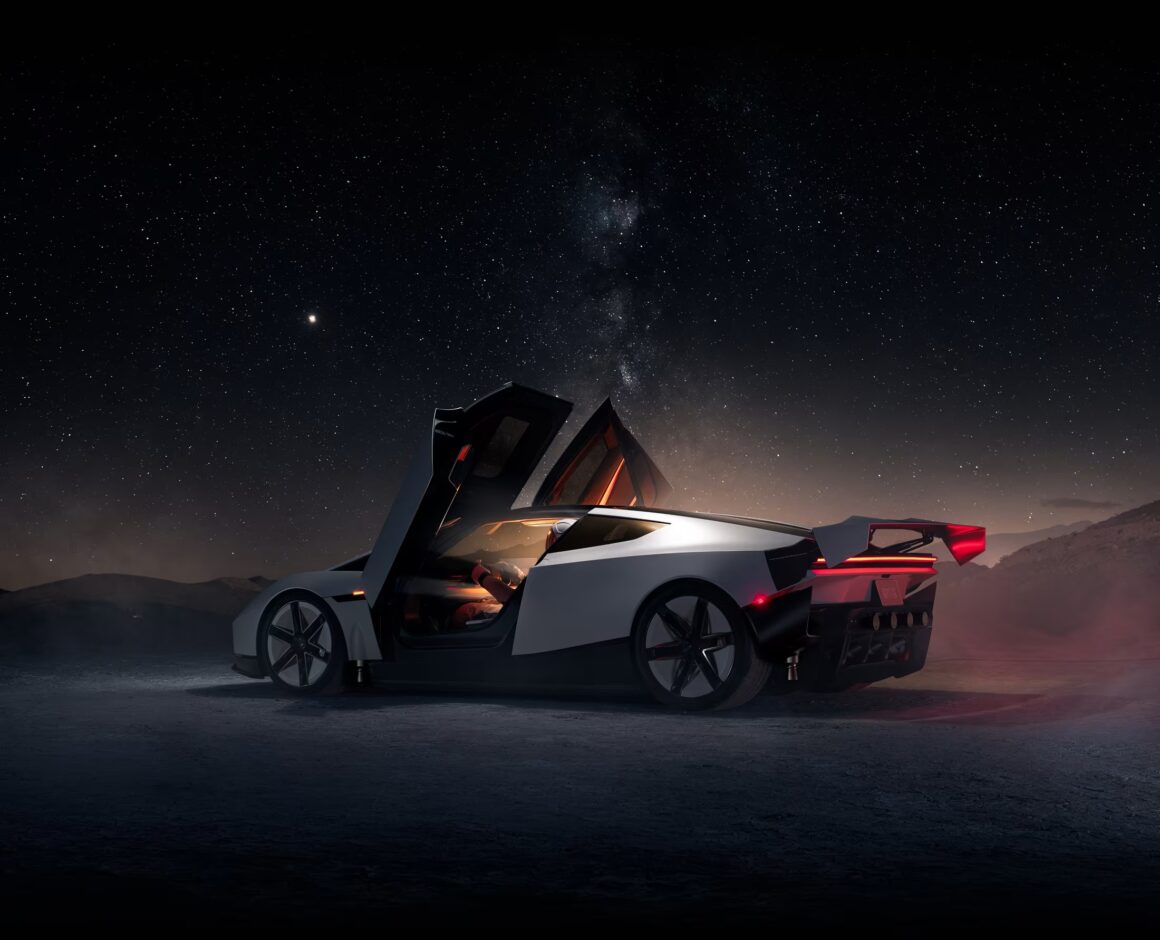
The Roadster’s exterior retains the low, sculpted proportions expected of a high-performance sports car. Its elongated front, flowing body surfaces and compact cabin create a silhouette shaped around aerodynamic efficiency, while the glazed roof contributes to the clean integration of the passenger compartment.
Tesla’s published design information also describes seating for four and a lightweight, removable glass roof that can be stored in the trunk to provide an open-air driving configuration. The newly demonstrated vehicle, however, was presented as a two-seater, and final production specifications may differ between versions.
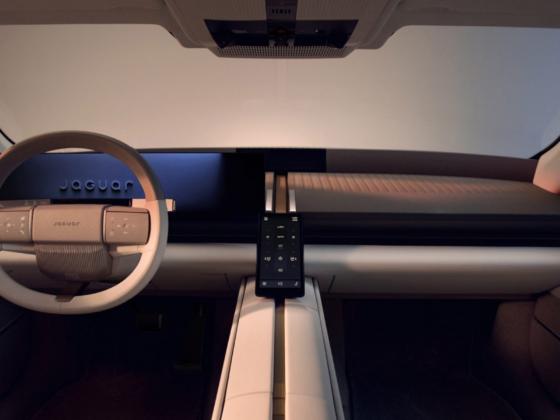
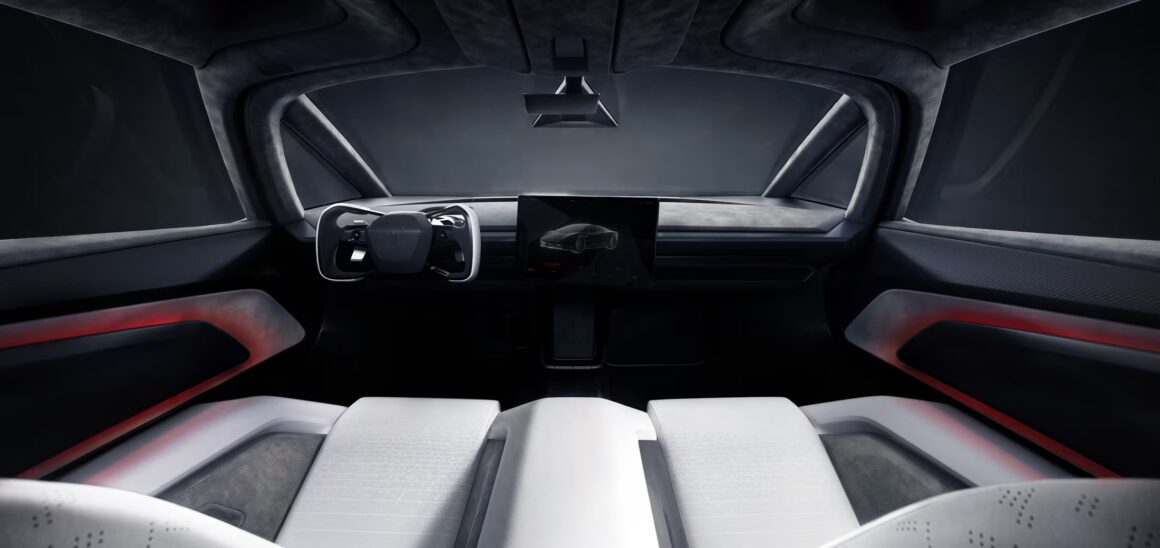
Inside, the Roadster follows a contemporary, driver-focused approach, with sculpted seating and a central display. The contrast between this restrained cabin design and the vehicle’s more experimental propulsion technology captures the broader ambition of the project: to create a sports car that remains recognisably a Tesla while exploring performance possibilities beyond the conventional electric drivetrain.
The SpaceX Connection
The most unusual element of the Roadster is its relationship with SpaceX, the aerospace company founded by Tesla chief executive Elon Musk. The collaboration brings rocket-style propulsion technology into the automotive conversation, using compact thrusters to produce brief bursts of force during demonstrations.
The idea has been discussed for years. Musk first proposed a SpaceX package for the next-generation Roadster in 2018, suggesting that small rocket thrusters could improve acceleration, braking and cornering, with the possibility of limited flight-like manoeuvres. The latest presentation moves that long-running ambition closer to a physical demonstration, although it does not settle how the technology will ultimately be integrated into customer vehicles.
The distinction between a dramatic demonstration and practical road use is important. A vehicle capable of lifting or rotating itself through thruster-assisted manoeuvres raises questions around safety, energy or gas storage, operating environments and regulatory approval. Tesla has not established that every demonstrated feature will be legal or appropriate for use on public roads.
For now, the technology is best understood as an experimental extension of the Roadster programme rather than a replacement for conventional automotive engineering.
Three Directions For The Roadster
Coverage of the unveiling describes three proposed configurations: Performance, Thrust and Rocket. The Performance version is positioned as the road-oriented model, while Thrust adds more specialised propulsion technology. The Rocket configuration is described as the most experimental, with a single-seat layout and additional thrusters.
The configurations suggest that Tesla is exploring different interpretations of the same vehicle, from a high-performance electric sports car to a more radical engineering showcase. Their final specifications, availability and regulatory requirements will need to be established as the programme develops.
Tesla has not confirmed a final retail price in the supplied launch coverage. Reservation arrangements have been reported for certain configurations, but prospective buyers should distinguish reservation terms from a confirmed production specification or delivery commitment.
The Road To 2028
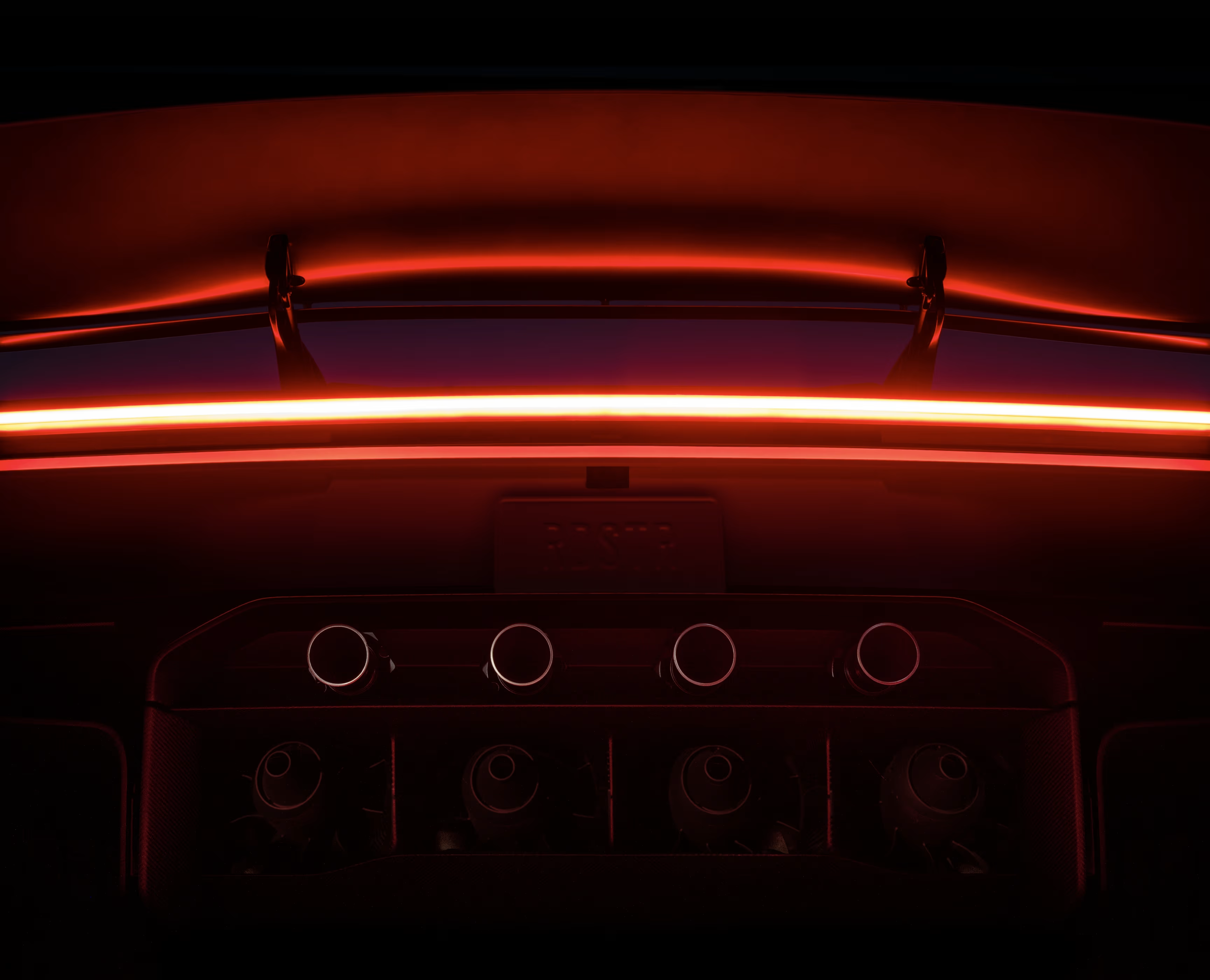
The Roadster now has a new public milestone, but its history makes delivery timing an important part of the story. Nearly nine years have passed since the second-generation car was first unveiled, and the latest production target is 2028. That leaves Tesla time to refine the vehicle, validate its performance and determine which experimental features can be offered to customers.
For the wider electric performance market, the Roadster represents a bold attempt to expand the boundaries of what an electric sports car might be. Its appeal lies in the combination of extraordinary stated performance, distinctive design and the possibility of aerospace-inspired technology moving into the automotive sphere.
Whether every element of the flying demonstration reaches production remains to be seen. What is clear is that Tesla has placed the Roadster back at the centre of the conversation, transforming a long-delayed electric supercar into one of the most unusual automotive projects now on the horizon.