Tim Burton’s iconic 1992 Batmobile, built around a chassis spliced from two Chevrolet Impalas, is heading to auction with an estimate of R83 million to R116 million.
Few movie cars have achieved the cultural stature of the Batmobile. Across generations of Batman films and television adaptations, the vehicle has evolved from a customised crime-fighting machine into one of cinema’s most recognisable automotive designs. Yet among its many interpretations, the car created for Tim Burton’s Batman Returns remains particularly striking: a dark, elongated hot rod that looks as though it belongs to a city where engineering and imagination have abandoned conventional limits.
Now, the screen-used Hero Batmobile from the 1992 film is heading to the auction block. Offered through Julien’s Auctions as the headline attraction of The Ultimate Batmobile Auction, the vehicle carries a pre-auction estimate of R83 million to R116 million, placing it among the most ambitious valuations for a piece of cinematic automotive history.
The auction is scheduled for 23 November 2026, with the event organised in partnership with Turner Classic Movies.
A Car Built For Gotham
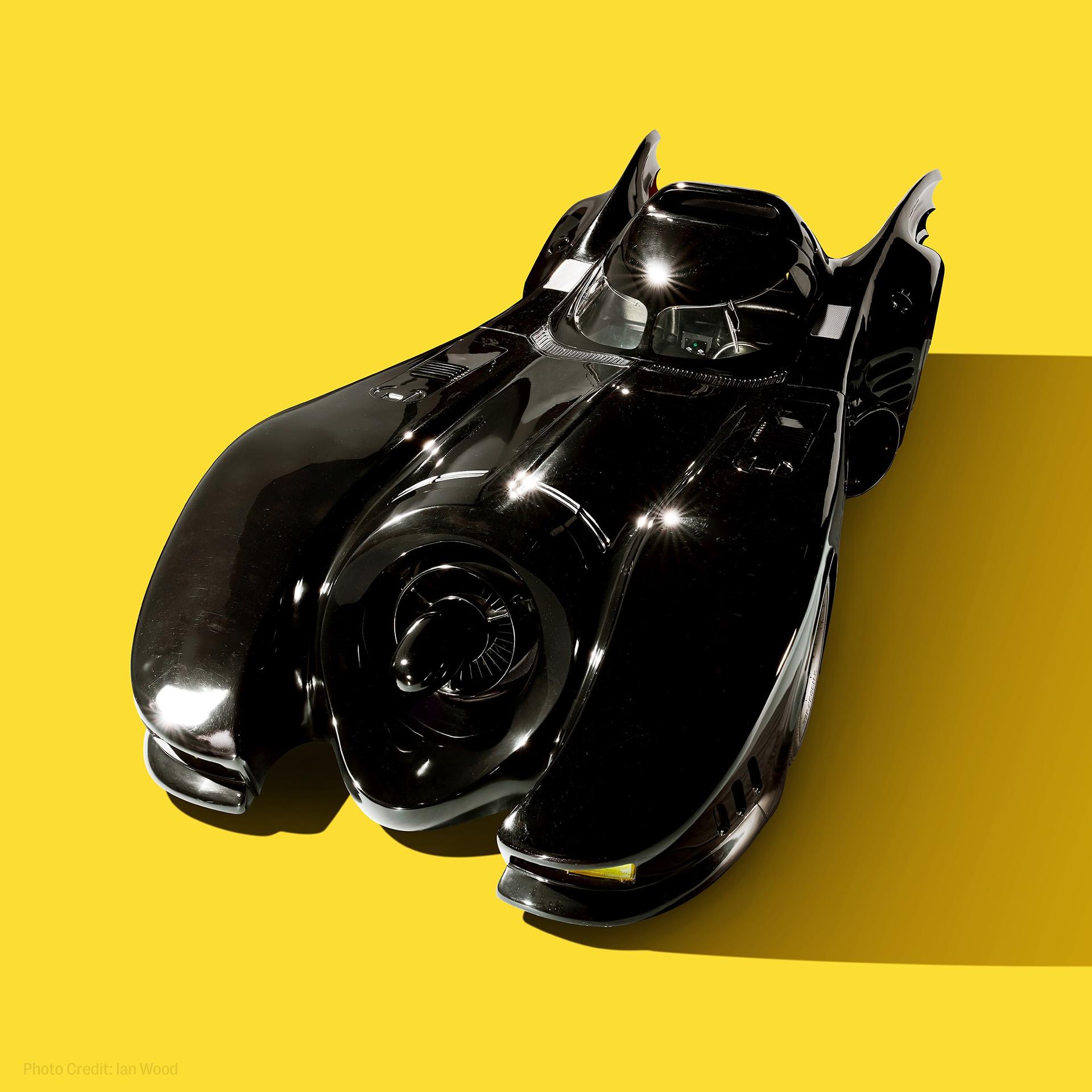
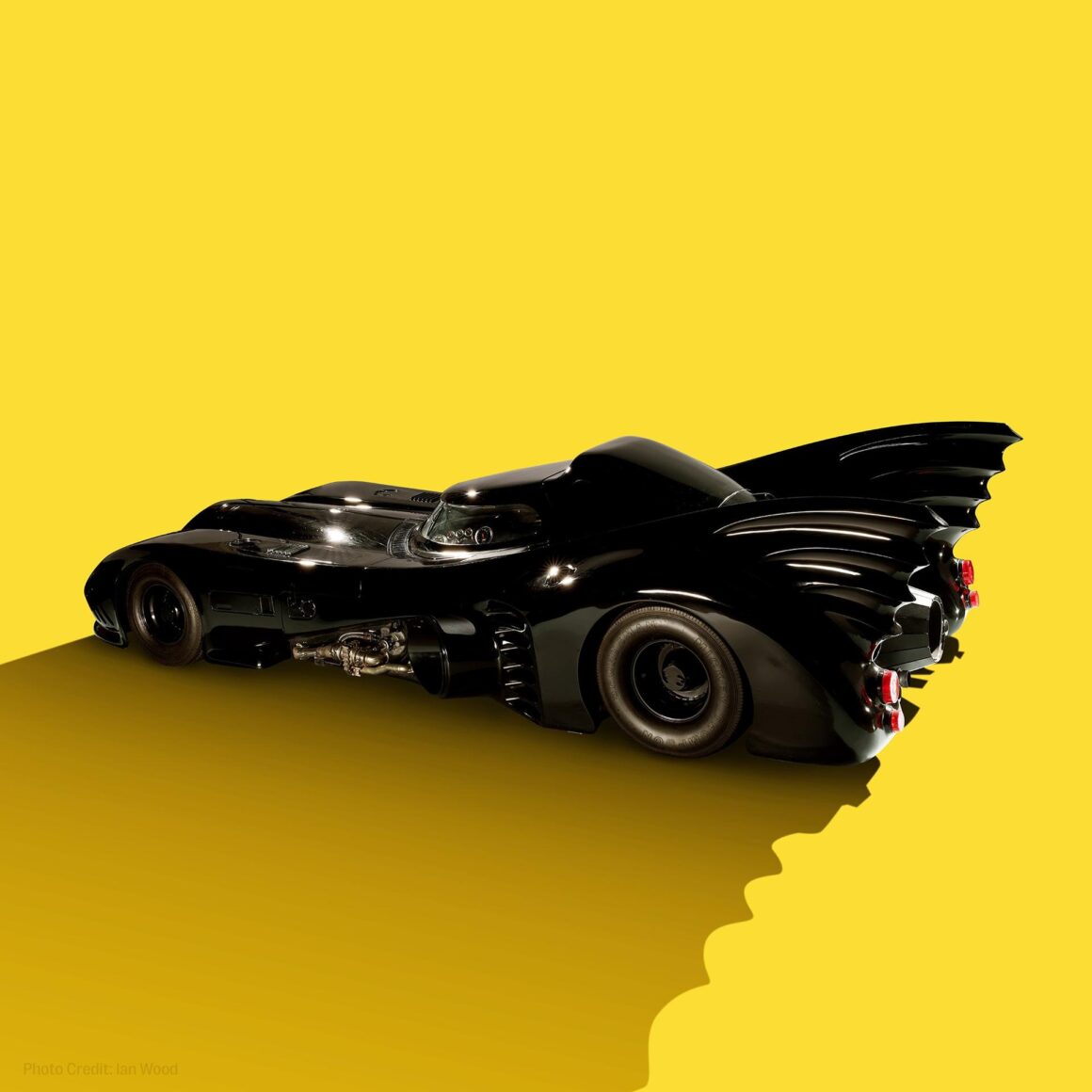
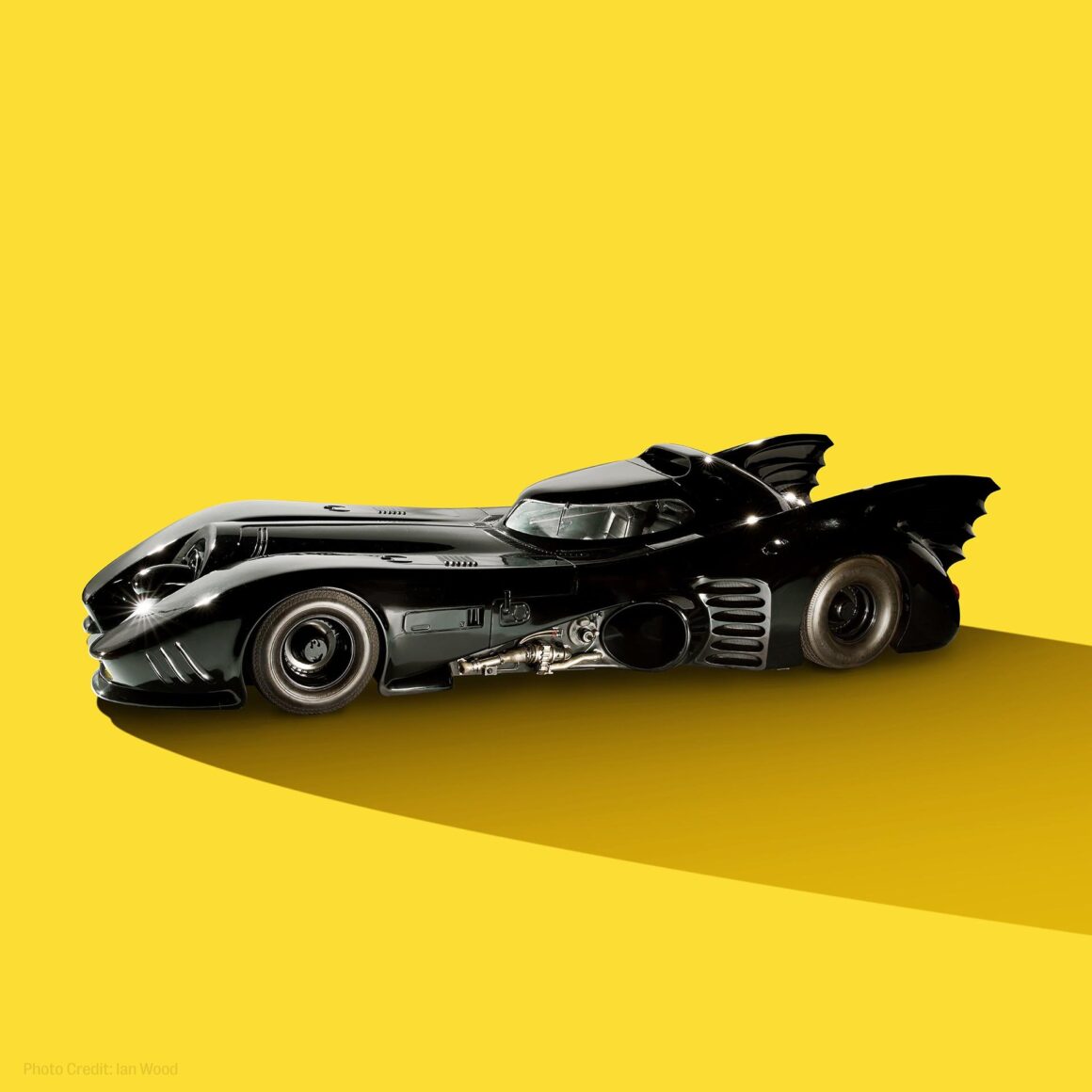
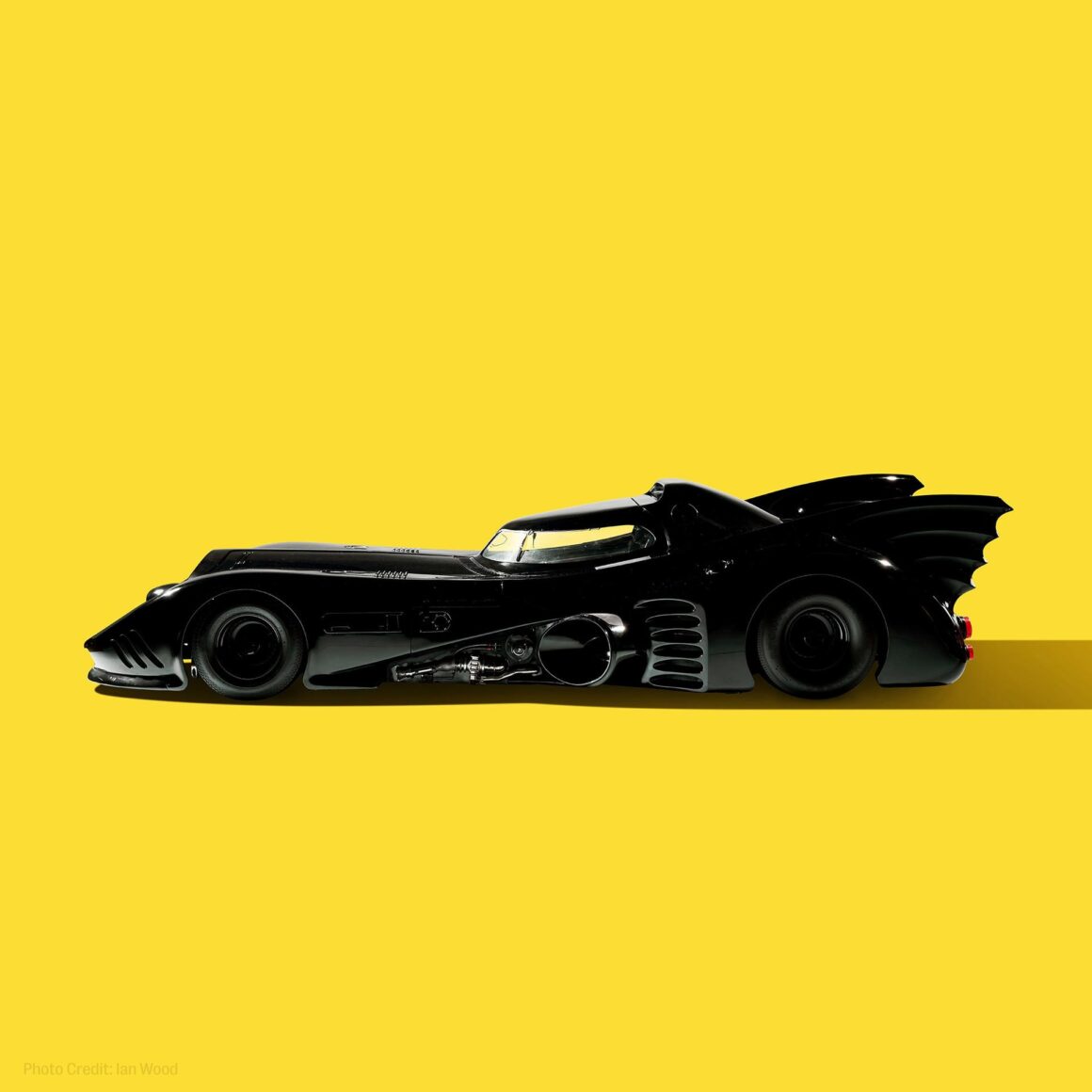
Designed to inhabit Burton’s gothic interpretation of Gotham City, the Batmobile was conceived as an extension of the film’s visual identity. Its long, low silhouette, dramatic rear fins and turbine-inspired front end gave it a distinctly different character from the more conventional performance cars associated with other action franchises.
The vehicle was built by Carl Casper, the American custom-car designer known for his elaborate creations and the long-running custom-car show bearing his name. According to Julien’s Auctions, its underlying chassis was assembled by joining two Chevrolet Impalas, creating the foundation for a body sculpted almost entirely by hand.
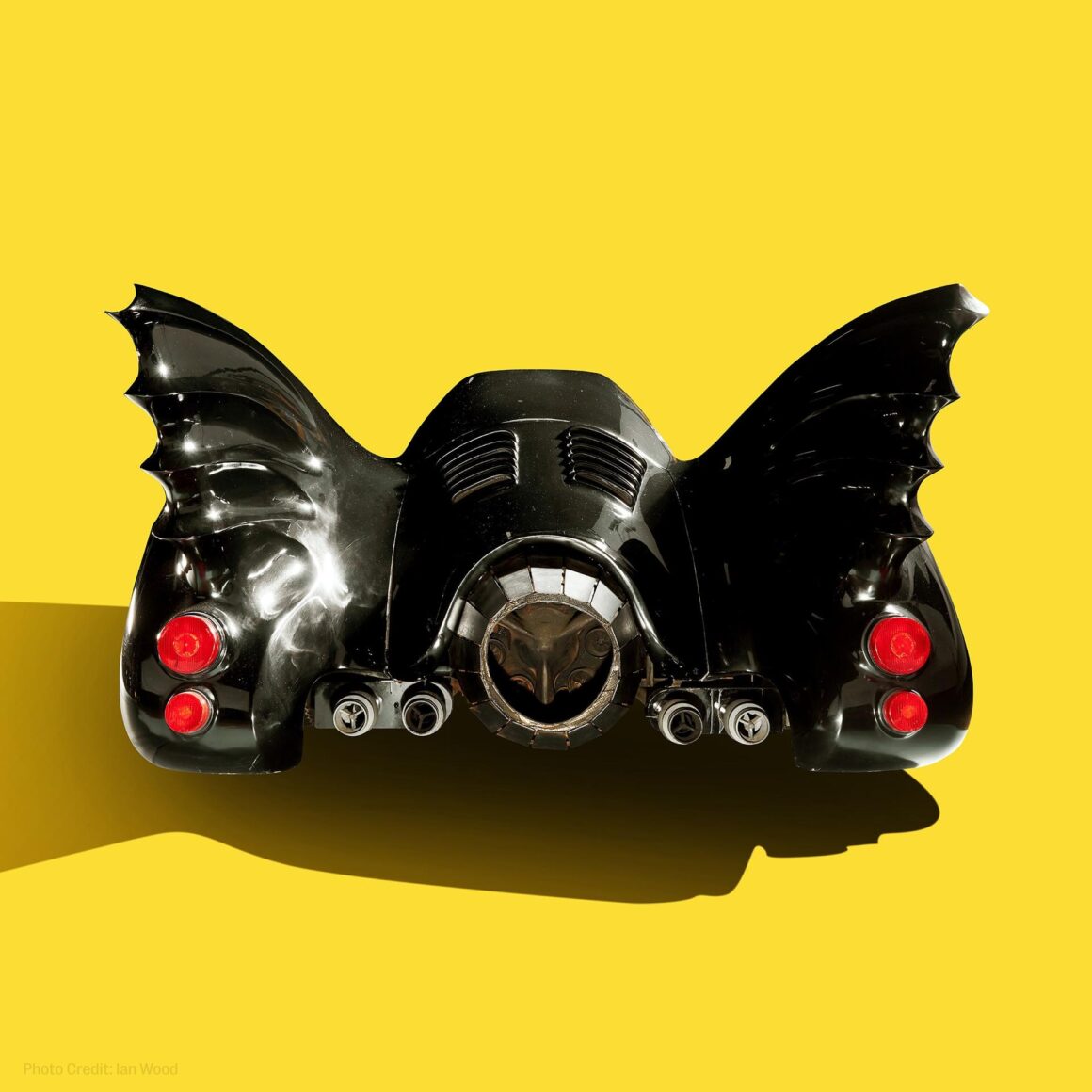
The result was a machine that appeared closer to a futuristic concept car than a road-going automobile. A jet-turbine nose dominated the front, while the afterburner-style exhaust and exaggerated fins reinforced its theatrical proportions. The design was unmistakably Burton-era Batman: menacing, exaggerated and engineered for a world that existed somewhere between comic-book fantasy and industrial reality.
Its significance lies partly in that distinction. This was not simply a recognisable vehicle dressed for the camera. It was a custom-built object created to establish the atmosphere of an entire cinematic universe.
The Value Of A Cinematic Original
The market for screen-used vehicles operates differently from conventional classic-car collecting. Provenance, condition, historical significance and the prominence of a vehicle within its film all contribute to its value, while the emotional connection audiences have with a particular production can be equally influential.
The Batmobile occupies an unusual position within this market. Unlike a Ferrari or Aston Martin associated with a film franchise, it has no direct production counterpart that collectors can acquire elsewhere. Its identity is inseparable from the fictional world it represents.
The vehicle is also closely associated with Michael Keaton’s portrayal of Batman, whose two films directed by Burton helped establish a darker cinematic interpretation of the character. The car became a central part of that visual language, appearing not merely as transport but as a defining expression of Batman’s technological resources and personal mythology.
Michael Uslan, the producer who helped bring a darker vision of Batman to the screen, captured the vehicle’s importance in a statement provided by Julien’s Auctions: “Batman is defined by having no superpowers, an unmatched rogues’ gallery, an origin story that towers over the genre, and the car. This is that car.”
A R116 Million Precedent
The estimate reflects the growing appetite for culturally significant objects that sit at the intersection of entertainment, design and collecting.
In 2013, the Batmobile created by George Barris for the 1960s television series starring Adam West sold for R76 million, based on the approximate exchange rate used here. That vehicle had already become a defining symbol of the era’s camp, colourful interpretation of the Dark Knight, and its sale established an important reference point for the market.
The Batman Returns vehicle arrives with a different visual identity and a distinct place in the franchise’s history. Its darker styling, custom-car construction and association with Burton’s films give it a particular appeal to collectors drawn to the intersection of cinema and automotive design.
The current estimate of R83 million to R116 million positions the car above the earlier sale, although the final result will depend on bidding. At the upper end, it would demonstrate how far the market is willing to go for a vehicle whose value derives as much from cultural recognition as from its physical construction.
The Ultimate Batmobile Auction
The November sale extends beyond the Batman Returns Hero Batmobile. Julien’s Auctions and Turner Classic Movies are presenting a wider selection of Batman-related memorabilia, including props, costumes, production materials and other objects connected to the franchise.
The event also coincides with the 60th anniversary of the 1966 Batman television series, placing the auction within a broader celebration of the character’s evolution across film and television.
For collectors, such objects offer a tangible connection to productions that have shaped popular culture. Original costumes and props preserve traces of the filmmaking process, while vehicles occupy a more unusual category: they combine the material presence of a physical object with the mythology of a fictional machine.
The Batmobile is particularly effective in this regard because its design remains legible outside the film. Even removed from Gotham’s streets, its proportions and details immediately communicate the world for which it was created.
More Than A Movie Prop
The growing value of cinematic objects reflects a broader shift in collecting, where cultural significance increasingly sits alongside conventional measures of rarity and craftsmanship. A vehicle does not need to have competed at Le Mans or carried a famous racing driver to become historically important. Its place in the public imagination can be enough to establish a different kind of provenance.
The Batmobile represents that principle at its most recognisable. Its construction draws on the traditions of American custom-car culture, while its form belongs to the visual language of cinema. Neither dimension fully explains its appeal on its own. Together, they create an object that operates simultaneously as a vehicle, a design statement and a piece of film history.
Whether it reaches the top of its estimate remains to be seen. What is already clear is that the car has travelled far beyond its original purpose as a prop for a 1992 production.
It has become a collectible in its own right, carrying the memory of a particular interpretation of Batman and the creative vision that shaped it.
Some cars carry history. Others become history. The Batmobile did both.