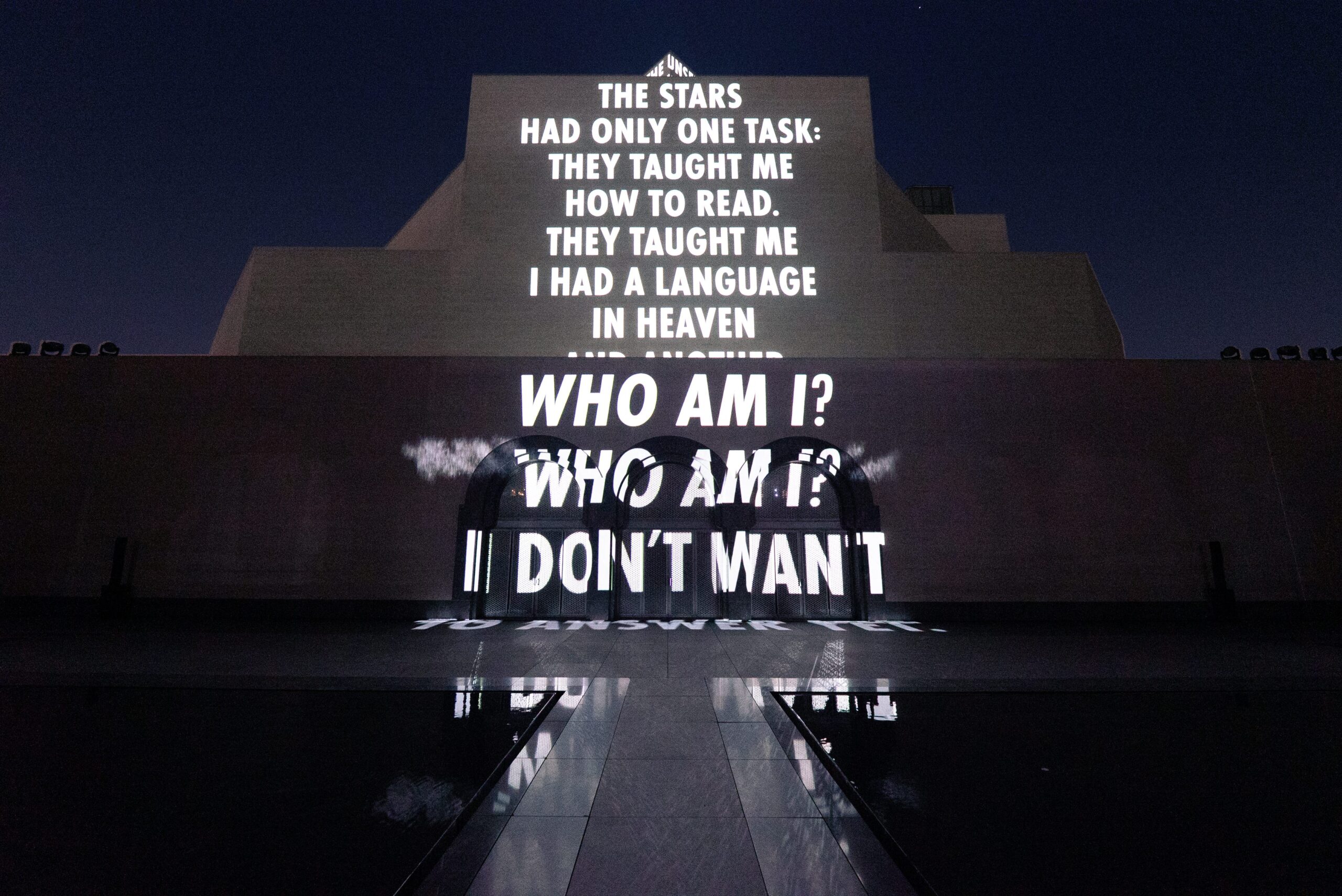
With 82 galleries from 37 countries and territories, Art Basel Qatar is expanding its international reach while placing artists from the Middle East, North Africa and South Asia at the centre of its 2027 edition.
The international art market is increasingly looking towards new centres of cultural influence, and Qatar is positioning itself as an important part of that conversation. With the announcement of its second edition, Art Basel Qatar is developing a platform that extends beyond the traditional art fair model, bringing together international galleries, regional artists, collectors and cultural institutions.
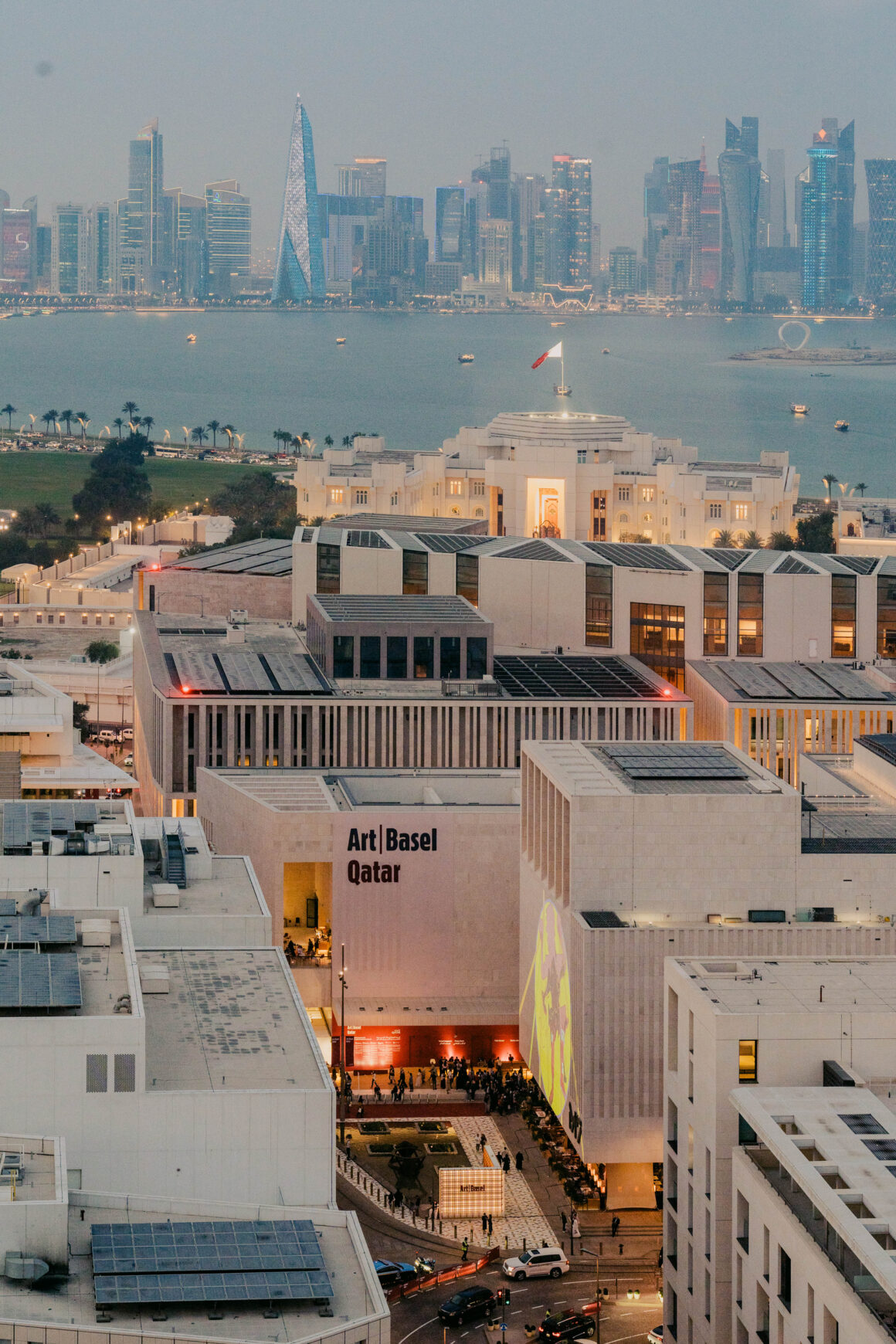
Scheduled for 28–30 January 2027, with preview days on 26 and 27 January, the fair will return to Msheireb Downtown Doha. Its upcoming edition will feature 80 single-artist presentations by 82 galleries representing 37 countries and territories.
More than an exhibition of contemporary art, the programme reflects a broader ambition to strengthen the regional art ecosystem, develop collector relationships and create more sustained connections between the Middle East, North Africa and South Asia (MENASA) and the international art market.
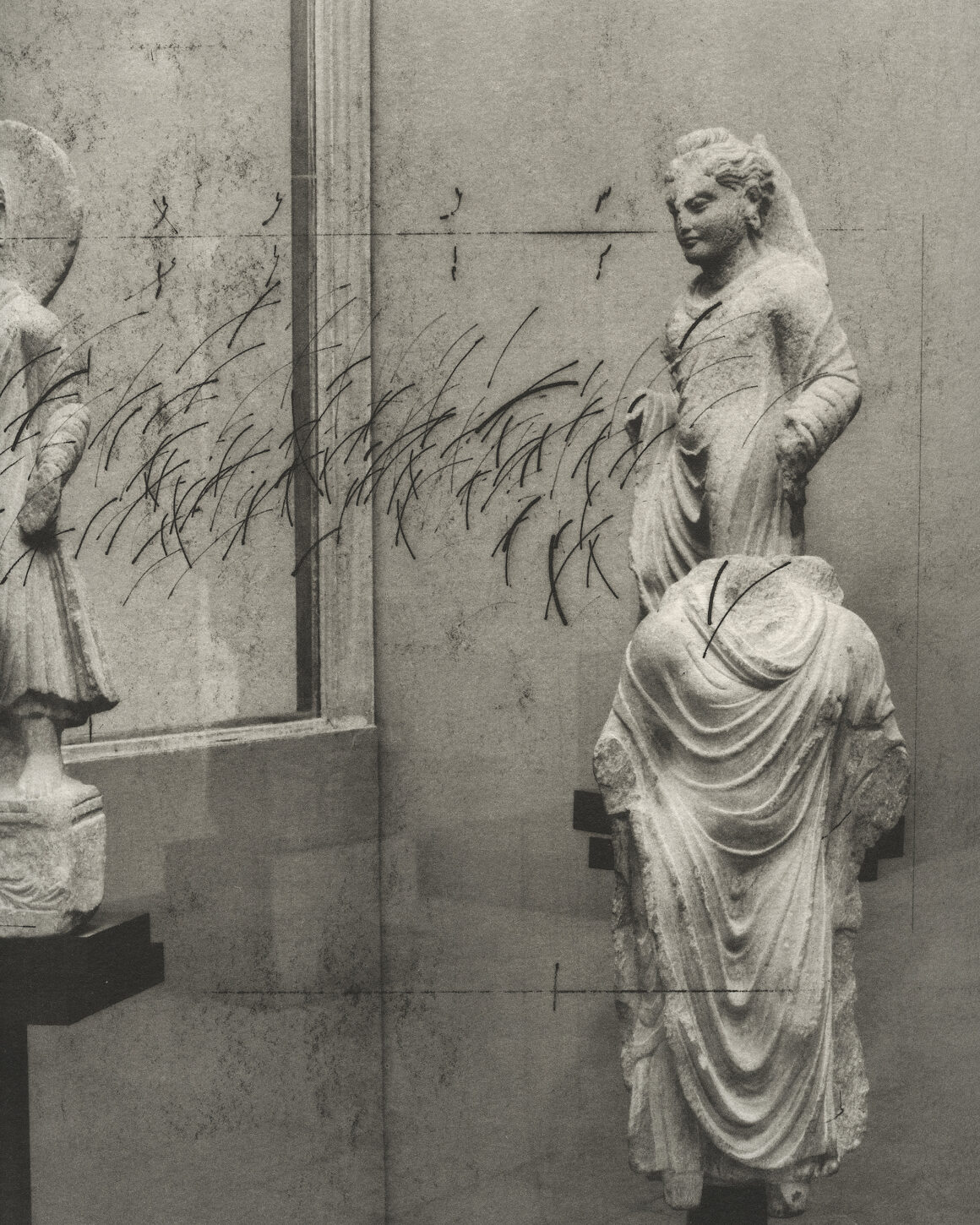
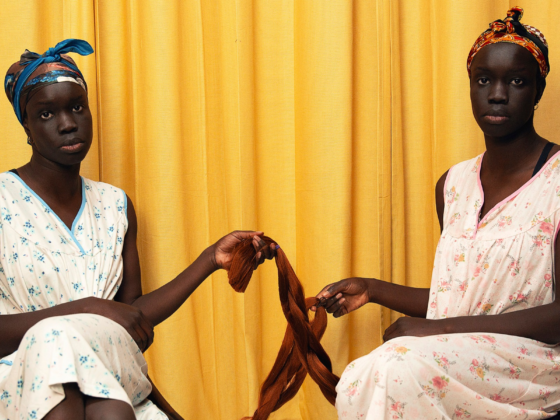
Written in Defiance on Stone (detail), 2026
Courtesy of Green Art Gallery, Dubai
Photography in collaboration with Randhir Singh
Between Histories And New Perspectives
At the centre of the 2027 edition is the curatorial theme between / بين, developed under the artistic direction of Iraqi curator Wassan Al-Khudhairi, in collaboration with Vincenzo de Bellis, Art Basel’s Chief Artistic Officer and Global Director of Fairs.
The theme explores the spaces between different perspectives, histories and cultural identities. It considers how artistic practices emerge through encounters between regions, generations and traditions, while recognising that cultural influence moves in multiple directions.
For Al-Khudhairi, the concept is intended to position the MENASA region not simply as a participant in global artistic conversations, but as an active contributor to shaping them.
The solo-presentation format, continued from the inaugural edition, gives participating galleries the opportunity to develop more focused presentations around individual artists. Rather than assembling broad collections of unrelated works, the format encourages a closer encounter with an artist’s practice, allowing audiences to engage with the ideas and visual language behind each presentation.
Approximately 50 per cent of the artists featured in the 2027 edition come from the MENASA region, reinforcing the fair’s commitment to foregrounding artistic voices from its wider cultural geography.
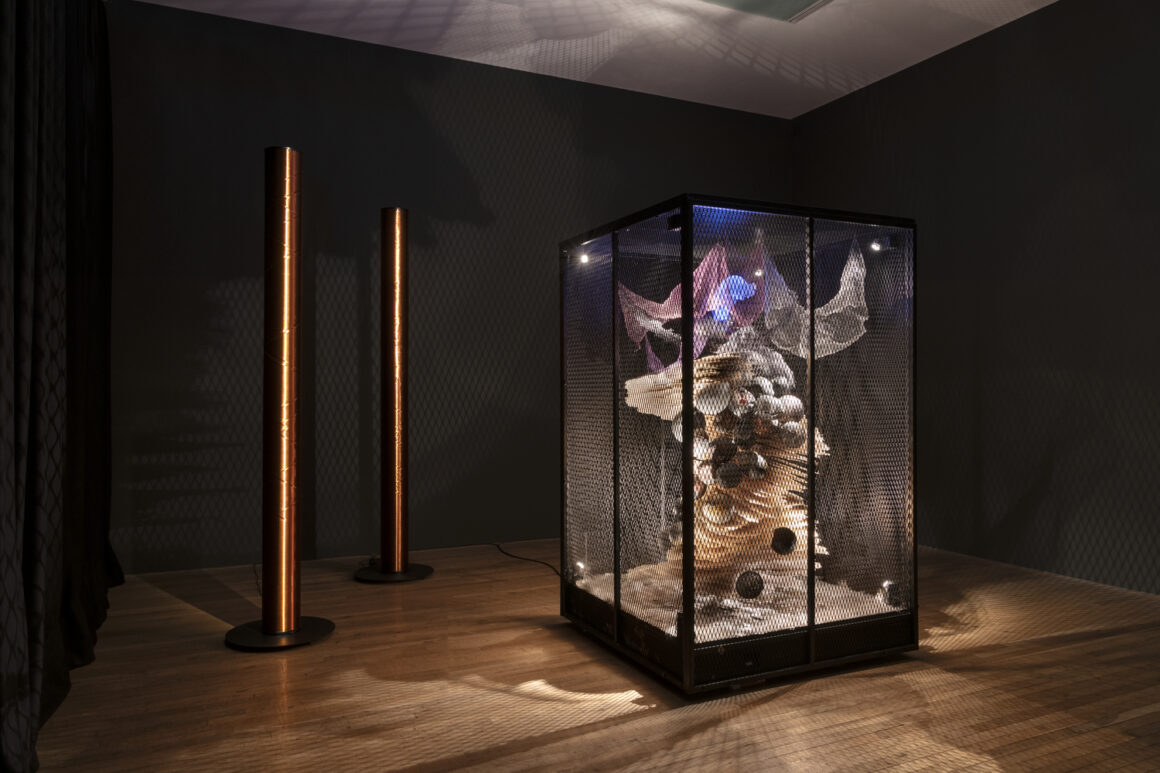
Installation view, Electric Dreams: Art and Technology Before the Internet, Tate Modern, London, 2024
Courtesy of the artist, Tate Modern, London, and Sylvia Kouvali, London/Piraeus
Photography by Tate (Lucy Green)
A Regional Art Scene With International Reach
The exhibitor list brings together established international galleries and a significant selection of spaces operating within the Middle East, North Africa and South Asia.
More than a third of participating galleries operate spaces within the MENASA region, while over 30 galleries will be participating in an Art Basel Qatar edition for the first time.
Among the regional galleries are Athr Gallery, Green Art Gallery, Gypsum Gallery, Lawrie Shabibi, Tabari Art Space, Hafez Gallery, The Third Line, Leila Heller, Le Violon Bleu and Chemould Prescott Road.
International participants include David Zwirner, Gagosian, White Cube, Lisson Gallery, Acquavella Galleries, Matthew Marks Gallery, Paula Cooper Gallery, Mendes Wood DM and Sprüth Magers.
The artists represented span several generations and artistic approaches. Names highlighted in the announcement include Mohammed Alfaraj, Monira Al Qadiri, Dana Awartani, Ibrahim El-Salahi, Hassan Hajjaj, Yazan Khalili, Waqas Khan, Seher Shah, Shahzia Sikander and Vian Sora.
Their practices bring different cultural histories, materials and visual languages into the same international setting.
The participation of galleries from Africa, Asia, Europe and the Americas also creates opportunities for exchange beyond geographical boundaries. The announcement specifically identifies South Africa among the countries represented by participating international galleries, although it does not name a South African gallery in its highlighted list.
For African art audiences, the broader significance lies in the expanding visibility of artists and galleries from regions whose contributions to contemporary art have often received less attention within traditional international market structures.
Beyond The Fair: Building A Collector Culture
One of the most significant developments accompanying the 2027 edition is the introduction of Collectors Majlis, a year-round market development initiative designed to deepen engagement with art collecting in Qatar and the wider region.
Launching in October 2026, the invitation-led programme will initially bring together approximately 30 to 40 emerging, new and art-adjacent collectors.
Its structure includes masterclasses, workshops, collection visits, cultural experiences, salons and practical sessions exploring the workings of the art market.
Participants will have opportunities to learn how artworks are bought and sold, how collections are developed, and how to establish relationships with galleries, artists and cultural institutions.
The programme will involve Art Basel leadership, collectors, gallery representatives and influential figures from the regional art ecosystem.
Among those expected to contribute are Her Excellency Sheikha Mayassa bint Hamad bin Khalifa Al Thani, Chairperson of Qatar Museums, Art Basel CEO Noah Horowitz, artistic director Wassan Al-Khudhairi and other prominent regional and international art professionals.
The initiative also extends beyond Qatar, with international encounters planned across Saudi Arabia, the United Arab Emirates, India, Greece and other locations.
This is an important distinction in Art Basel Qatar’s development. Rather than concentrating its investment exclusively around the annual fair, the organisation is attempting to cultivate a collector community that can sustain relationships and market activity throughout the year.
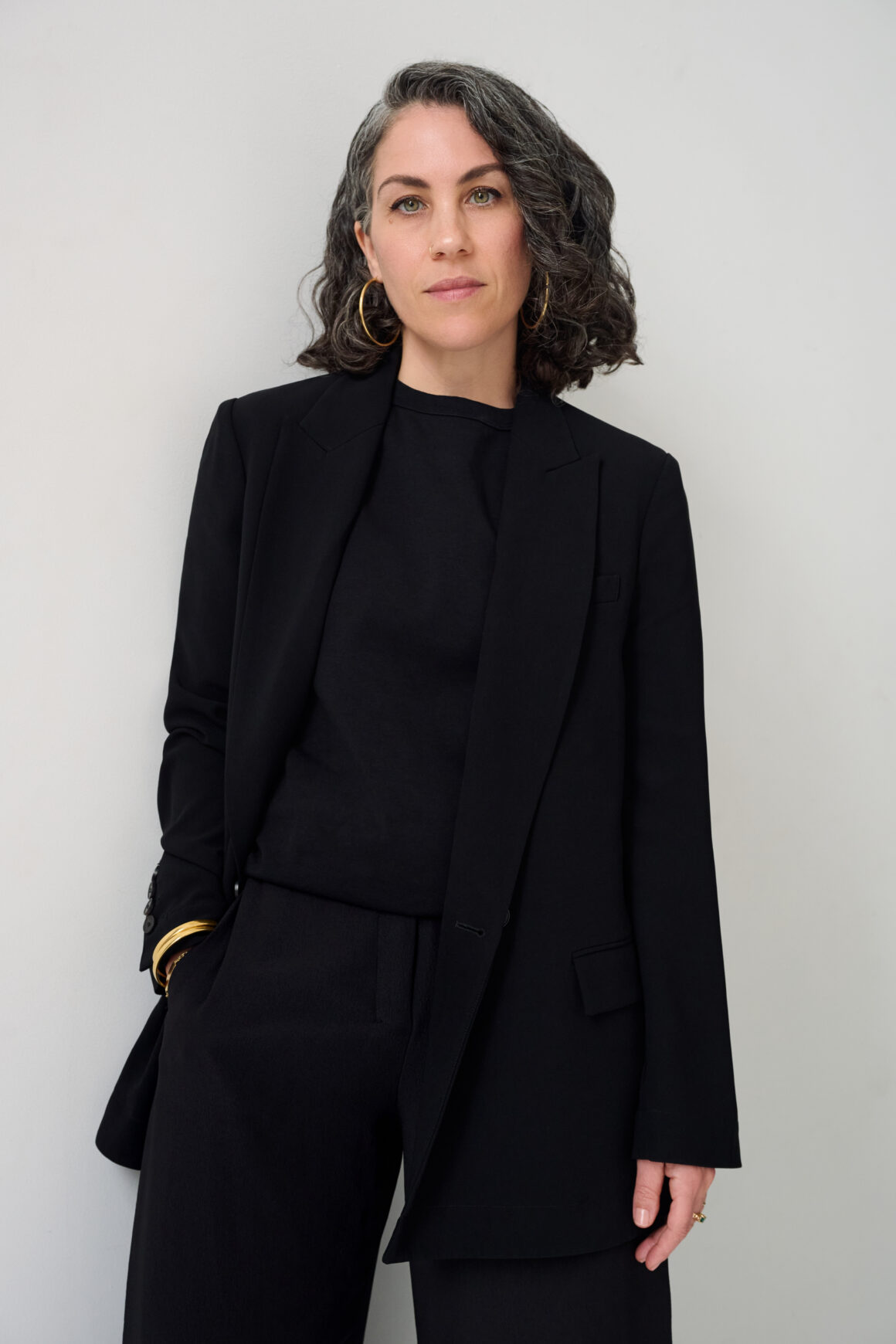
Artistic Director, Art Basel Qatar 2027
Photo by Jim Lafferty. Courtesy of Wassan Al-Khudhairi
Doha’s Expanding Cultural Calendar
Art Basel Qatar will anchor a wider programme of exhibitions and cultural events across Doha, with several major initiatives contributing to the city’s growing cultural landscape.
Among them is Design Doha 2026, running from 5 November 2026 to 31 January 2027. Its second edition will present more than 20 exhibitions, including Arab Design Now, curated by Noura Al Sayeh.
The exhibition brings together 81 designers, 78 new commissions and 17 films, covering architecture, furniture, product design, craft, urbanism, sound and social design.
Another notable development is Doha Pavilion: Gerhard Richter, a permanent, site-specific structure conceived by the celebrated German artist. Scheduled to open at MIA Park on 20 November 2026, the pavilion will house a dedicated body of Richter’s paintings and sculpture, with Selldorf Architects collaborating with the artist on its realisation.
The inaugural edition of Rubaiya Qatar, a contemporary art quadrennial, will run from 21 November 2026 to 30 April 2027 across multiple venues. Its programme will bring together more than 120 regional and international artists representing over 30 countries, exploring global ecology, water and Qatar’s maritime heritage.
Other exhibitions include Giuseppe Penone: The Inner Flow of Life at the National Museum of Qatar, and What Lingers in the Artist Mind: Experiments and Legacies of the Baghdad Modern Art Group at Mathaf: Arab Museum of Modern Art.
Together, these initiatives illustrate an approach to cultural development that connects contemporary art, design, architecture, heritage and public engagement.
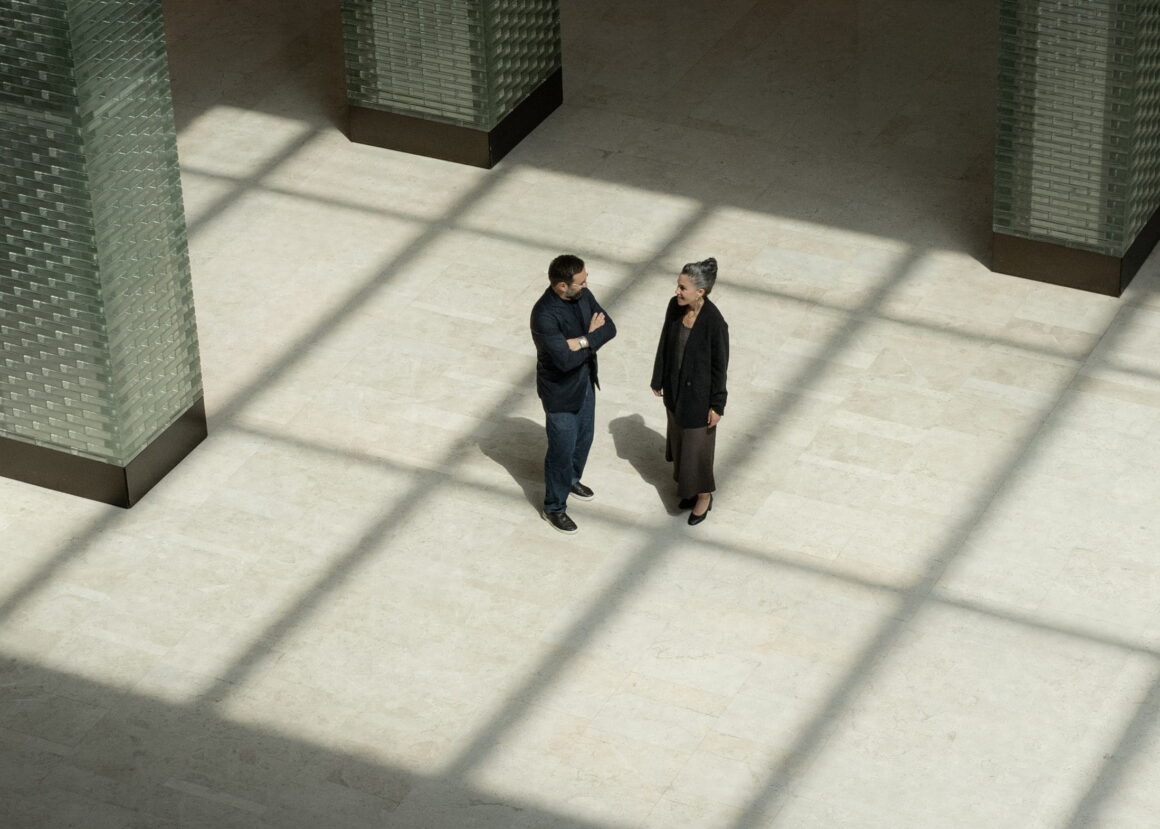
Chief Artistic Officer and Global Director Art Basel Fairs and Artistic Director of Art Basel Qatar 2027
Courtesy of Art Basel
The Business Of Cultural Influence
Art Basel Qatar’s development is supported by Qatar Sports Investments (QSI) and QC+, with Visit Qatar serving as lead partner. Qatar Airways is the premium partner, while UBS, BMW and Audemars Piguet are associate partners. Zegna is among the official partners, and Rosewood Doha is the official hotel partner.
The partnerships reflect the intersection of contemporary art with hospitality, tourism, investment and luxury brands.
For Qatar, the ambition extends beyond attracting international attention during the days of the fair. The longer-term objective is to strengthen the conditions in which galleries operate, encourage new collectors, support cultural institutions and create opportunities for artistic exchange.
Art Basel CEO Noah Horowitz describes the fair as an enduring platform for the region, with the new year-round programme intended to deepen collector engagement and contribute to the development of the regional art market.
This approach gives the 2027 edition significance beyond its exhibitor list. It positions the fair within a wider cultural and commercial strategy, one that recognises the importance of building an ecosystem around art rather than relying solely on individual events.
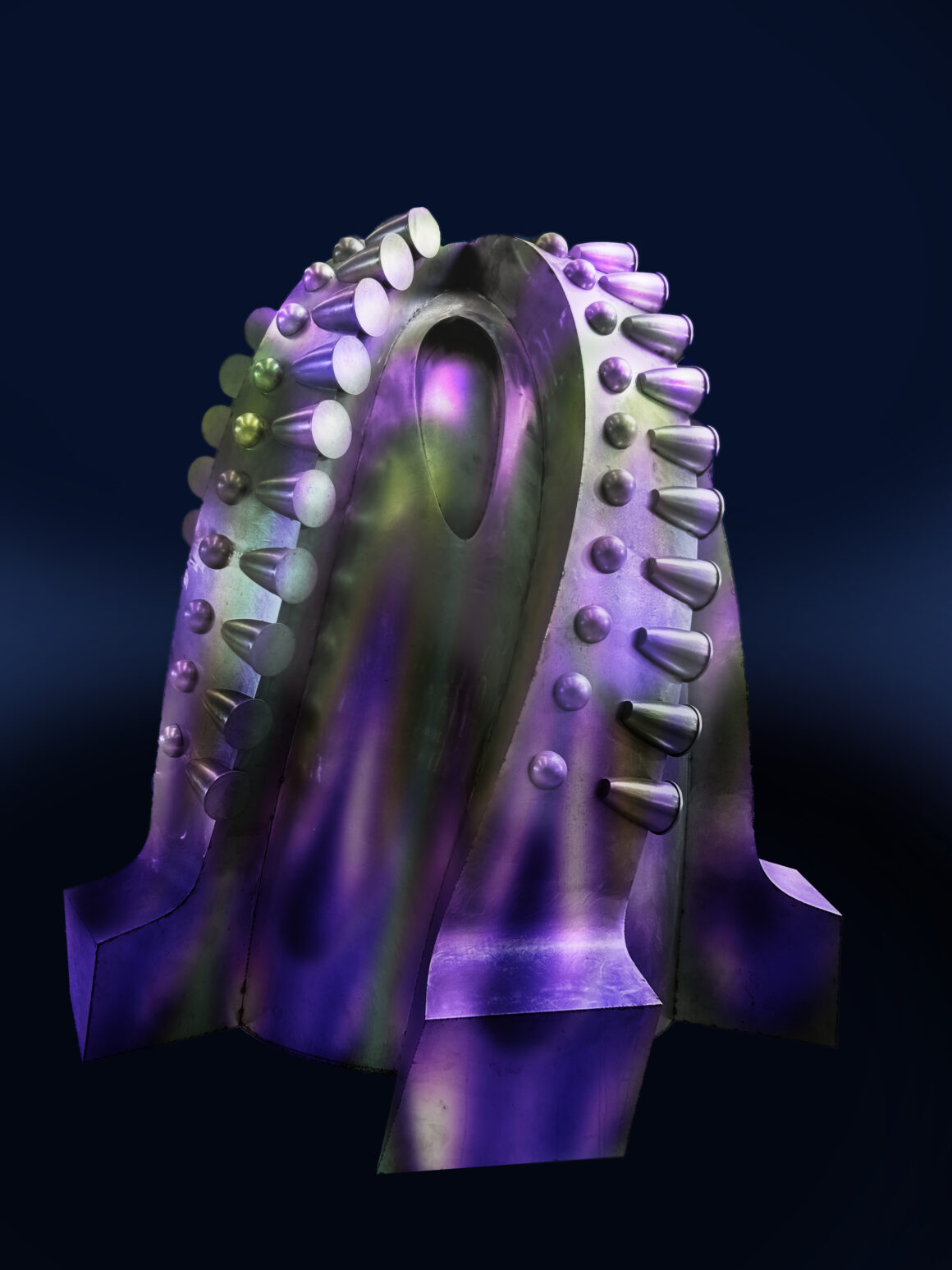
© Monira Al Qadiri. Courtesy the artist and Contemporary Art Platform, Kuwait City
A Wider Conversation About The Future Of Art
The significance of Art Basel Qatar lies in the conversation it is attempting to create between regional artistic production and international market infrastructure.
Its 2027 edition brings together galleries and artists from different cultural contexts while placing particular emphasis on the MENASA region’s contribution to contemporary art.
For collectors, it offers opportunities for discovery and deeper engagement. For galleries, it provides another international platform through which to develop relationships and reach new audiences. For artists, it creates an environment in which different histories and practices can meet without being confined to a single geographical narrative.
As the international art world continues to evolve, the emergence of platforms such as Art Basel Qatar raises important questions about where cultural influence is developed, how artistic value is recognised and who participates in shaping the future of collecting.
Doha is making its ambitions clear. With the 2027 edition, Art Basel Qatar is seeking to become more than a destination on the international art calendar. It is building a platform for a regional art market with global aspirations.