|
Getting your Trinity Audio player ready...
|
From the Koenigsegg Sadair’s Spear to the McLaren P1, LEGO continues to translate extraordinary automotive design into miniature exercises in engineering, construction and collecting.
For many automotive enthusiasts, the fascination with cars begins long before the first drive.
It might start with a poster on a bedroom wall, a miniature model on a shelf or the photograph of a supercar that seemed impossibly fast and impossibly distant. Before there is an understanding of horsepower, aerodynamics or chassis dynamics, there is simply the attraction of shape.
LEGO has understood that relationship for generations.
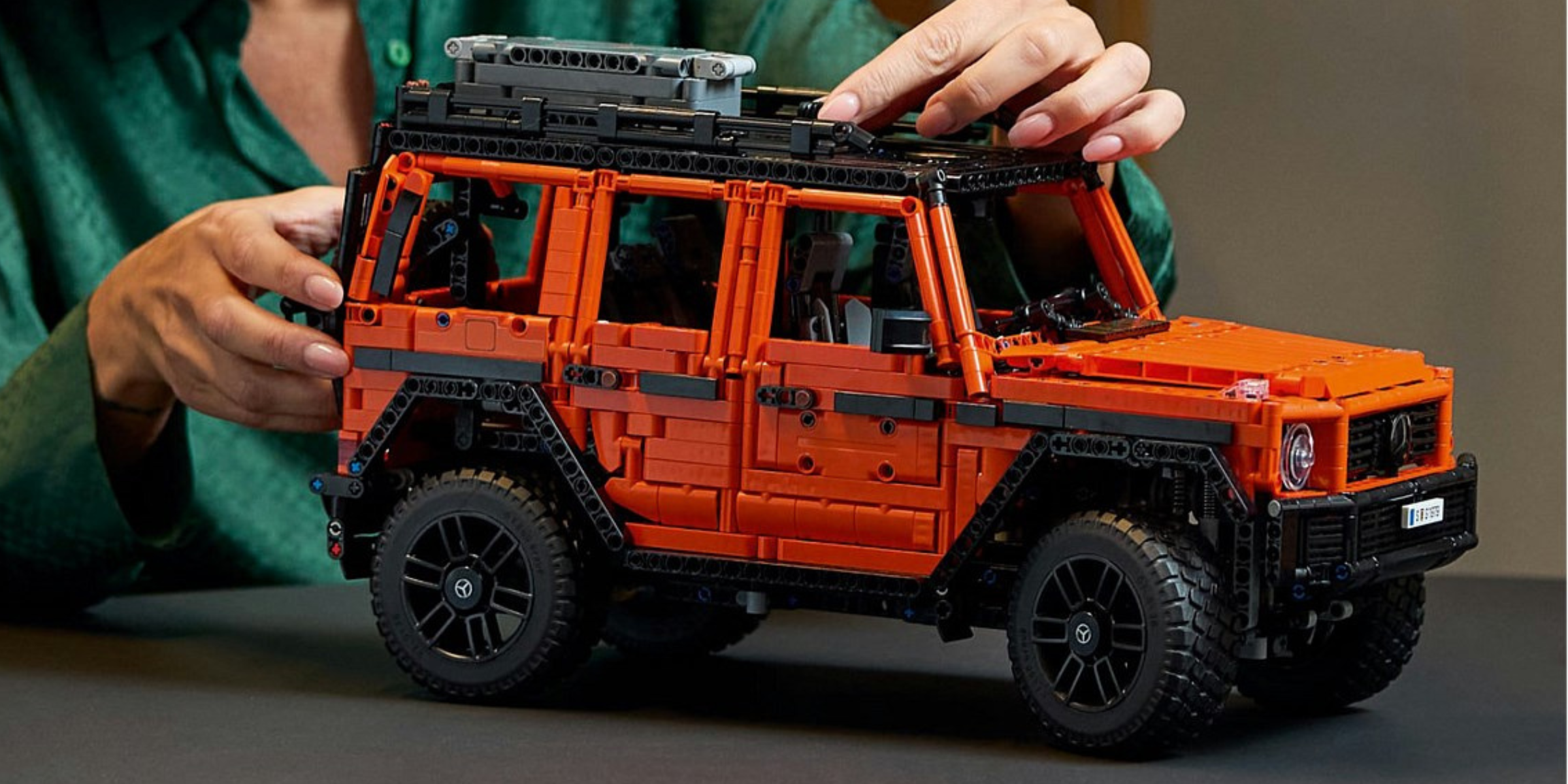
Through its Technic range and its collaborations with major automotive manufacturers, the company has turned some of the world’s most recognisable performance cars into detailed scale models that allow enthusiasts to interact with the design rather than simply admire it.
That distinction is important.
You do not simply look at these cars.
You build them.
The Appeal of Building the Automobile
The finished model is only one part of the experience.
Piece by piece, a complicated collection of components begins to resemble an engine, a chassis, a suspension system and eventually the unmistakable silhouette of the original automobile.
That process creates a relationship with the car that a conventional die-cast model cannot quite reproduce.
A collector who assembles a Technic supercar has participated in its creation, even if only at miniature scale. The act of construction becomes part of the object’s value.
It is particularly appropriate for supercars and hypercars, where engineering is so closely connected to identity.
The real vehicle may represent years of development and millions of dollars of investment. The LEGO model offers a much more intimate way to understand its design.
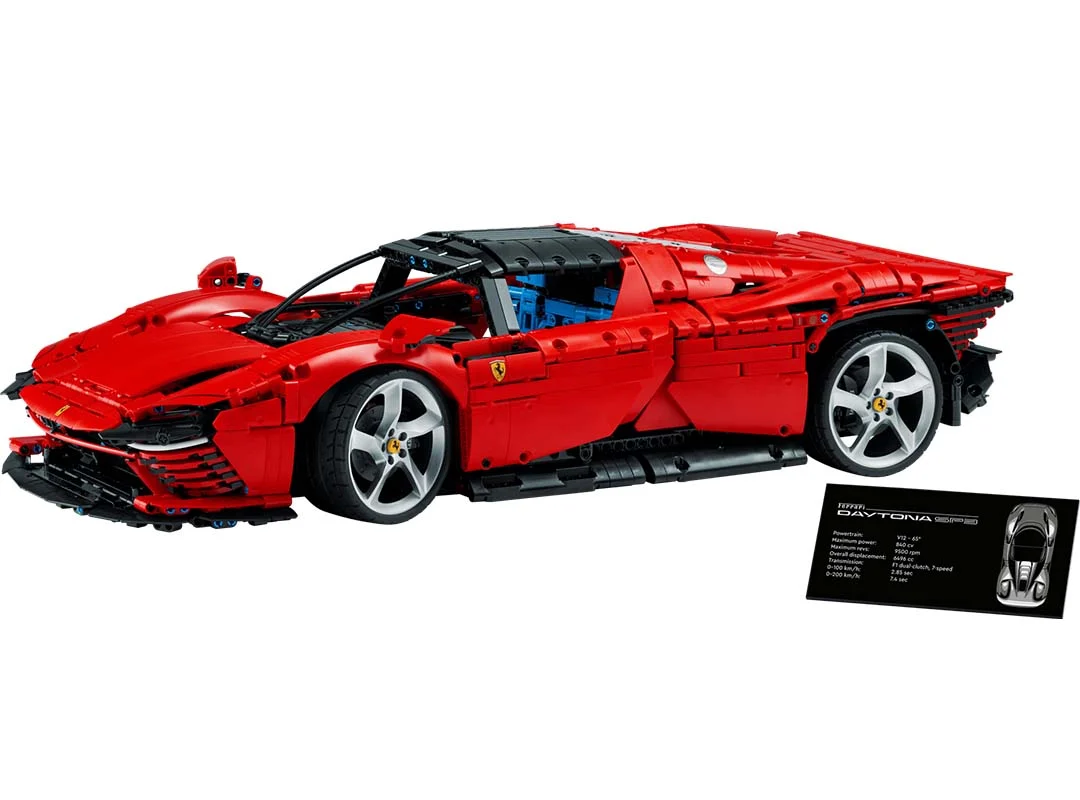
Koenigsegg Sadair’s Spear
The Koenigsegg Sadair’s Spear is an obvious candidate for this treatment.
Koenigsegg’s approach to automotive engineering is defined by lightweight construction, extreme performance and a willingness to challenge established conventions. Its cars are as much engineering statements as they are luxury objects.
Translating the Sadair’s Spear into LEGO form creates a fascinating contrast.
The original belongs to the highest levels of automotive engineering, while the miniature version begins as a collection of individual pieces. Yet as the model takes shape, the distinctive proportions and visual character of the hypercar gradually emerge.
The enthusiast experiences the same transformation that designers and engineers experience in a very different way: individual components becoming a coherent machine.
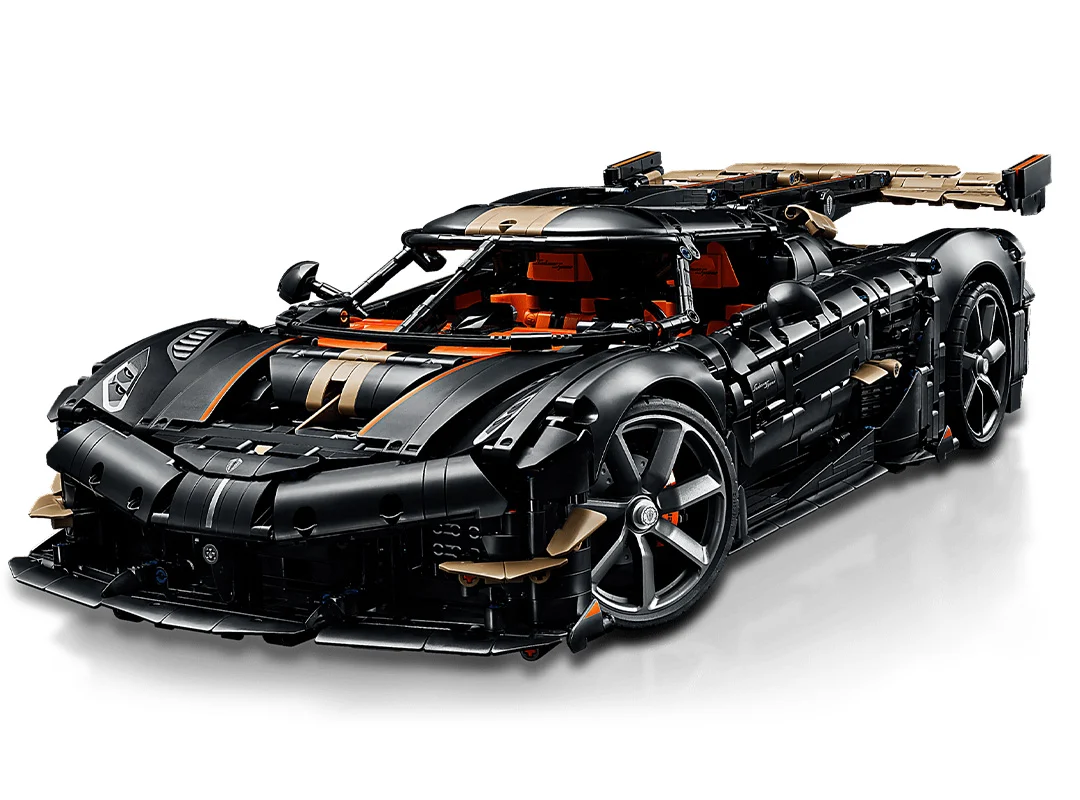
McLaren P1
The McLaren P1 occupies a different but equally significant position in modern automotive history.
Combining McLaren’s Formula 1 heritage with hybrid technology and an uncompromising approach to aerodynamics, the P1 became one of the defining hypercars of its era.
Its design makes it particularly suited to scale interpretation. The dramatic surfaces, low stance and distinctive proportions remain recognisable even when translated into miniature form.
The appeal is partly nostalgic, but it is also architectural.
A LEGO version of the P1 allows the enthusiast to examine the shape from a different perspective. The process of assembling the model makes the relationship between components and overall form more apparent.
The result is not a replacement for the real car.
It is another way of experiencing it.

From Toy to Collectible
The evolution of LEGO’s automotive offerings reflects a broader change in the way enthusiasts think about collectibles.
Cars themselves have increasingly become objects of design and cultural interest. Collectors study provenance, production numbers, engineering details, colours and specifications. Scale models occupy a natural place within that ecosystem because they allow enthusiasts to bring the visual language of exceptional automobiles into their own spaces.
A LEGO model can sit alongside automotive books, watches, photography, memorabilia and other objects that communicate an individual’s interests.
That gives the finished model a different kind of significance.
It becomes part of a collection rather than simply a toy.
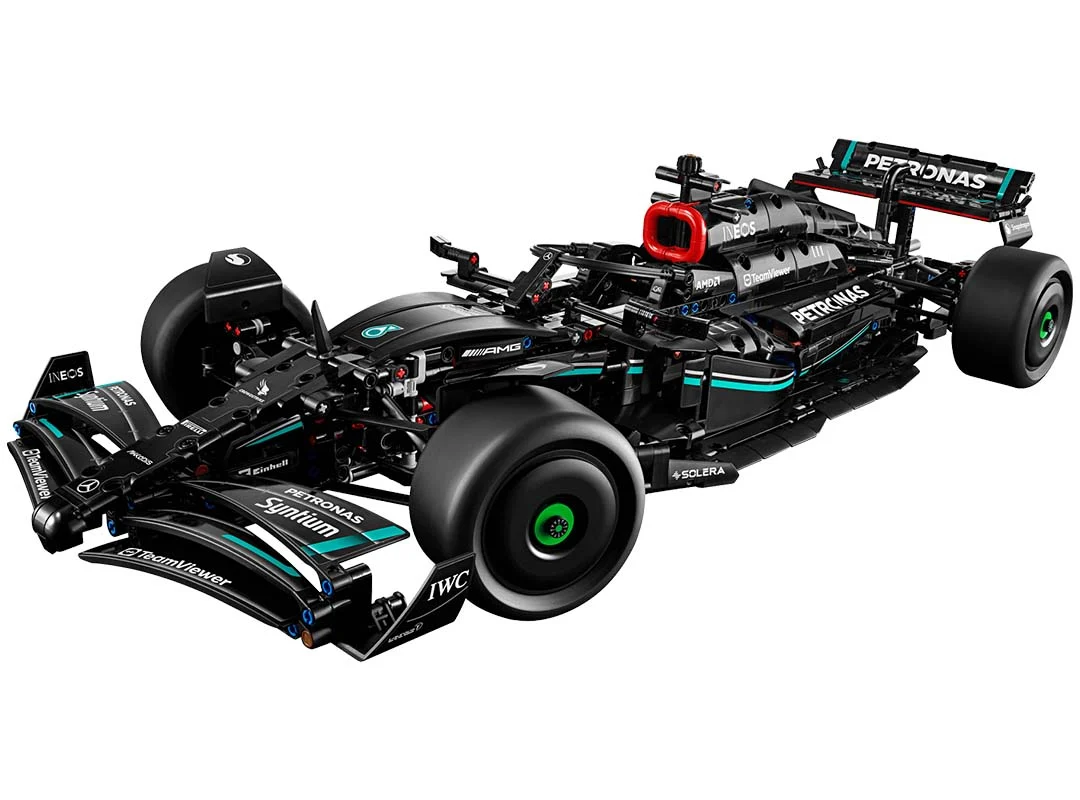
Engineering You Can Handle
Technic is particularly compelling because of the emphasis on construction and mechanical detail.
Automotive engineering is often hidden from view. The driver experiences the result, but most of the systems responsible for creating that experience remain beneath bodywork and beneath the cabin floor.
A construction-based model reverses that relationship.
The enthusiast sees how individual components come together to create the finished object. The complexity becomes something that can be handled, examined and understood.
It is not a literal representation of the engineering inside the real vehicle, but it captures something fundamental about the design process: complex machines are ultimately collections of individual decisions and components working together.
The New Automotive Collectible
There is also an accessibility to automotive LEGO that traditional collecting does not always provide.
Owning a Koenigsegg or a McLaren P1 is beyond the reach of almost everyone. Building a scale interpretation of one creates a different relationship with the same object of fascination.
The model does not attempt to replace the original.
Instead, it preserves the idea of it.
That is perhaps why automotive LEGO has found such a broad audience. Children can encounter the cars as objects of imagination, while adult enthusiasts can approach the same models as pieces of design, engineering and automotive culture.
The fascination remains remarkably consistent across generations.
The real car demonstrates what happens when engineers and designers push technology towards its limits. The LEGO version demonstrates what happens when that fascination is broken down into individual pieces and placed into the hands of the enthusiast.
In both cases, the process begins with the same thing:
the desire to build something extraordinary.