|
Getting your Trinity Audio player ready...
|
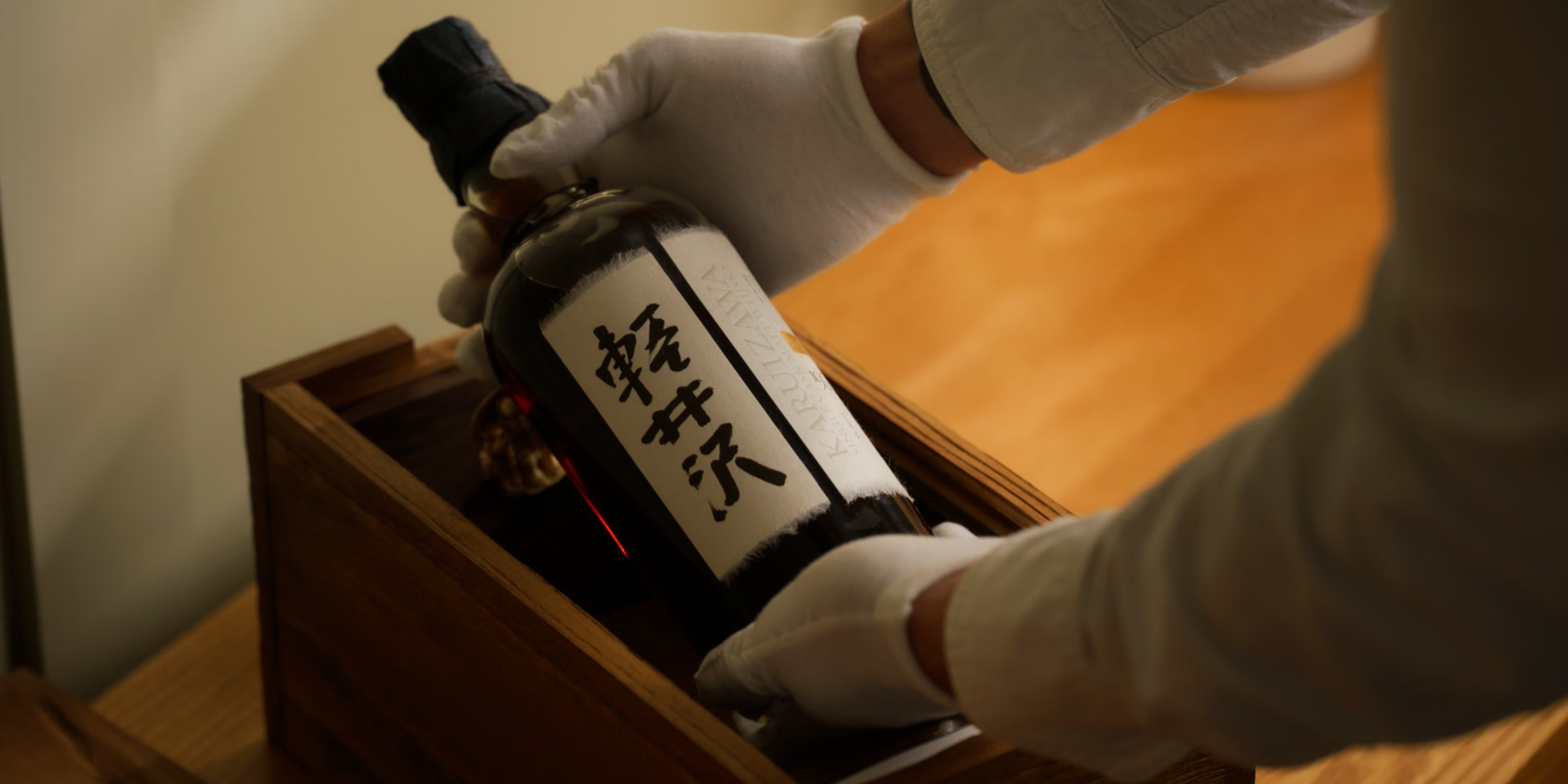
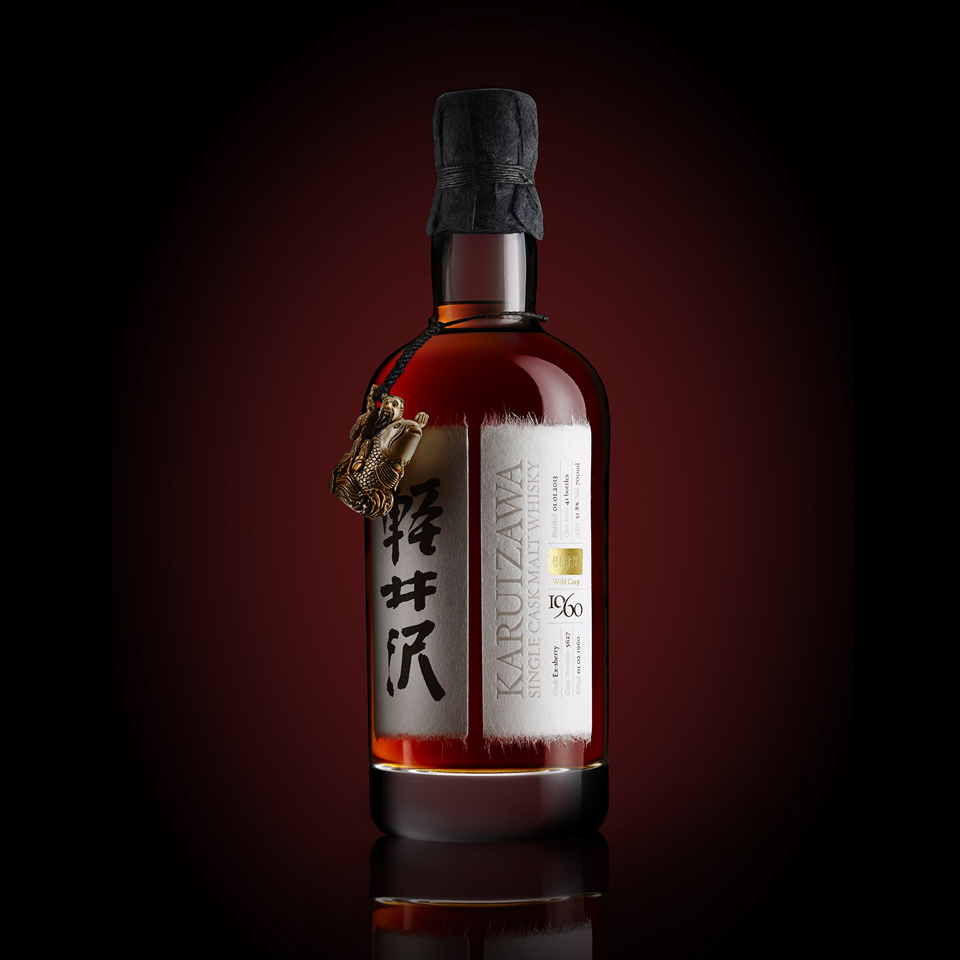
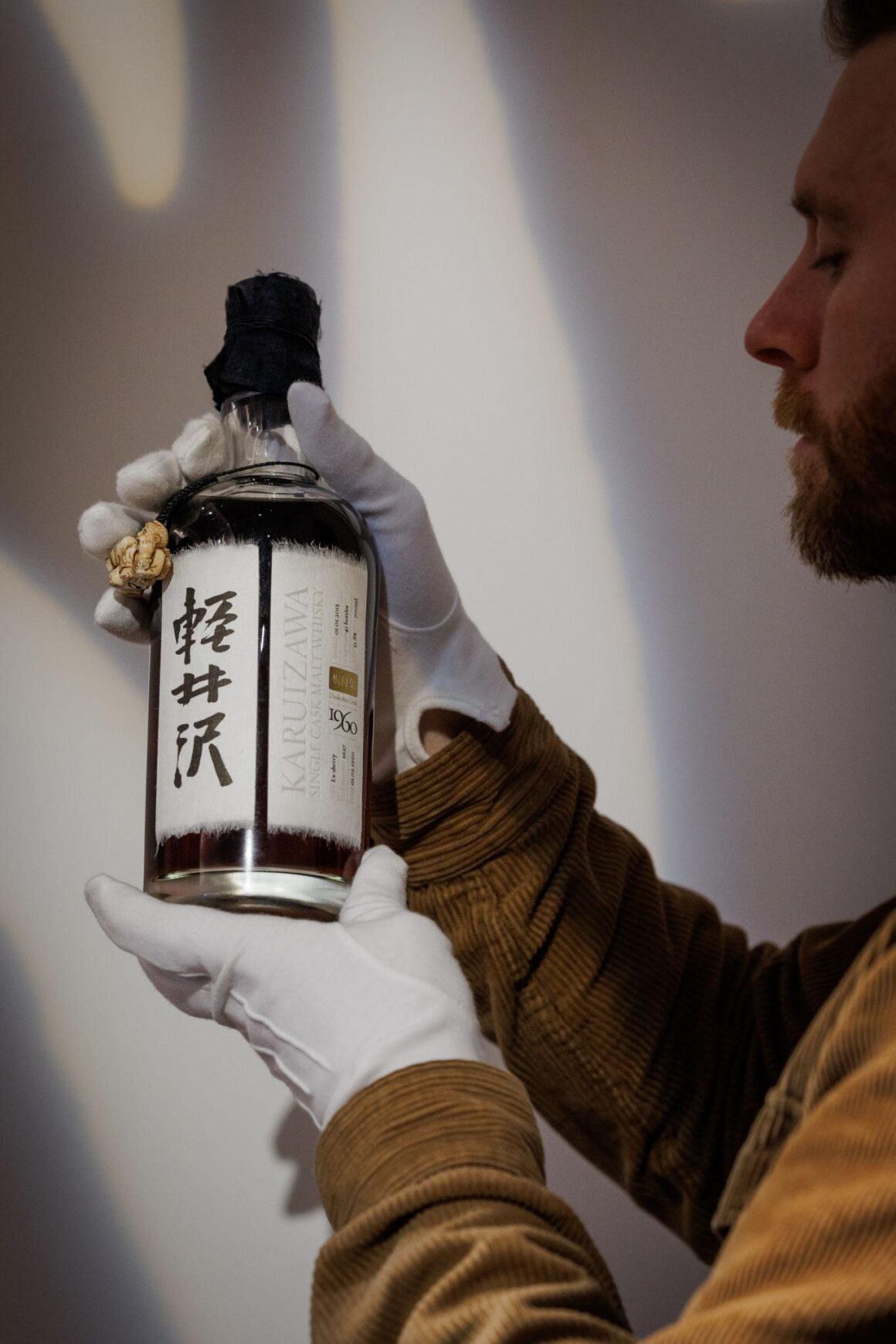
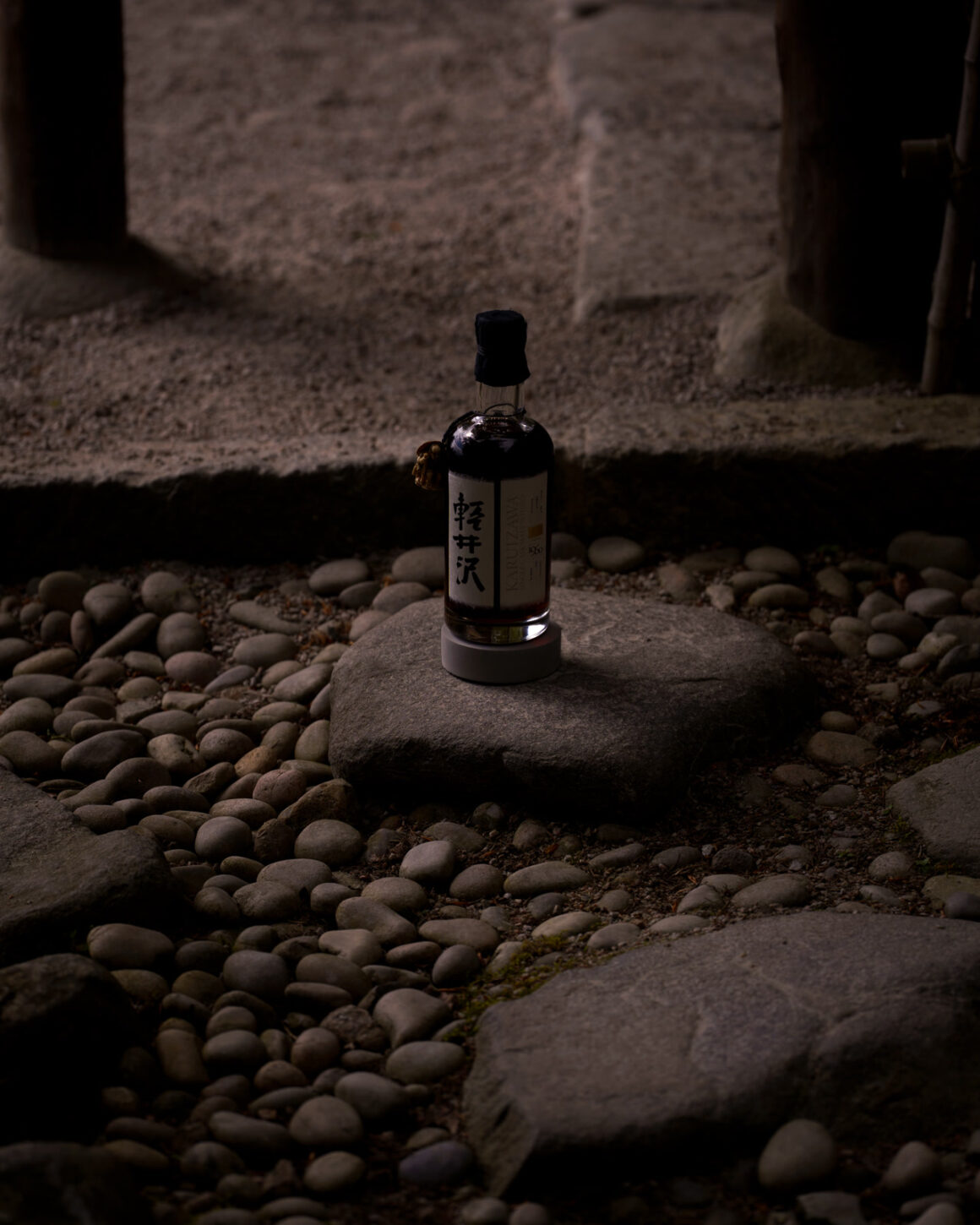
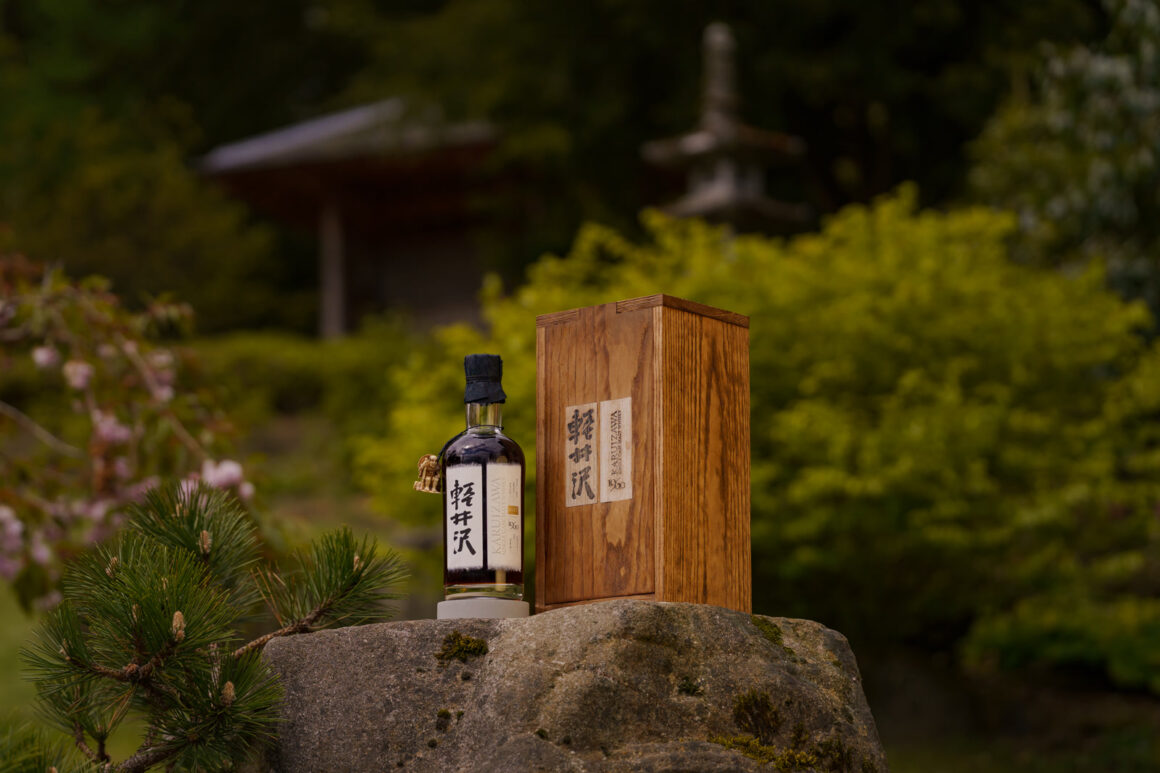
Sotheby’s will offer “The Prototype”, an exceptionally rare bottle drawn directly from Karuizawa Cask #5627 before the celebrated 1960 vintage was commercially released.
The rarest bottles of whisky are not always defined by age alone.
At the highest level of collecting, provenance can be just as important as the liquid itself. The cask, the distillery, the date of bottling, the person responsible and the circumstances surrounding the bottle’s creation can transform a spirit into something much more significant than a drink.
The Karuizawa 1960 Cask #5627, known as “The Prototype”, is a particularly remarkable example.
On 18 September, Sotheby’s will offer the bottle as part of its Whisky & Whiskey auction and Nightcap series at the Breuer, with an estimate of $400,000–$600,000. If achieved, that would make it the highest-value lot among the Nightcap offerings.
Its significance, however, begins more than half a century earlier.
The Cask That Could Not Be Repeated
Cask #5627 was distilled on 1 February 1960, becoming the oldest cask in Karuizawa’s inventory when the remaining stocks were acquired following the distillery’s closure.
Karuizawa ceased distilling at the end of 2000 and, following a subsequent change of ownership, the distillery itself was eventually demolished. Its whisky therefore became a finite resource, with no possibility of new production carrying the Karuizawa name from the original distillery.
Cask #5627 was already extraordinarily scarce when it was acquired. Very little liquid remained, ultimately producing only 41 commercially available bottles of the celebrated Karuizawa 1960 vintage.
The whisky had matured for 52 years, making it the oldest Japanese whisky ever bottled at the time of its release.
But the commercial bottling is not where this particular story begins.
Before the Commercial Release
Before the cask was disgorged for the 1960 vintage, two bottles were drawn directly from it and hand-filled into glass on separate occasions.
The bottle now being offered by Sotheby’s was filled on 20 December 2012, before the commercial 1960 vintage was bottled.
That makes it one of only two bottles ever drawn and hand-bottled directly from Cask #5627 prior to the commercial release.
It is this status that earned the bottle its name: The Prototype.
For collectors, the distinction is profound. This is not simply another bottle from a rare vintage. It preserves a moment in the history of the cask that predates the release that would eventually make the 1960 vintage famous.
Bottled by Karuizawa’s Final Master Distiller
The bottle’s provenance becomes even more compelling through the involvement of Osami Uchibori, Karuizawa’s final Master Distiller.
Uchibori had worked at the distillery since 1960, the same year in which Cask #5627 was distilled. He personally hand-filled the Prototype, while its label was completed by hand and accompanied by a handwritten certificate signed by Uchibori confirming that he filled the bottle.
That connection gives the whisky a direct human link to Karuizawa’s final era.
The bottle therefore carries several layers of provenance at once: the 1960 distillation, the 52-year maturation, the pre-release bottling and the personal involvement of the distillery’s final Master Distiller.
A Different Strength
There is another detail that separates the Prototype from the commercially released version.
The whisky was drawn from the cask at 58.3% ABV, compared with 51.8% ABV for the standard commercial version of the 1960 vintage.
That difference makes the Prototype an especially interesting record of the cask before its wider release. It represents a particular point in the whisky’s journey rather than simply another example of the final commercial expression.
In collectible whisky, those distinctions can matter enormously.
The question becomes less about how old the whisky is and more about what the bottle can prove about its own history.
A Proven Auction Record
Cask #5627 already has an established place in the auction history of Japanese whisky.
In March 2020, a Karuizawa 52 Year Old Zodiac Rat Cask #5627 sold at Sotheby’s London for £363,000, approximately US$435,273 at the time. The sale ranked among the highest prices ever achieved at auction for a single bottle of whisky and set a record for the Karuizawa brand at the time.
The return of another bottle from the same cask therefore carries considerable significance.
But The Prototype is distinguished by a provenance that even the commercial 1960 bottles cannot share.
It was drawn before the commercial release.
It was hand-filled by Uchibori.
And only two such pre-release bottles were created.
When Provenance Becomes the Collectible
The evolution of the rare whisky market has made one thing increasingly clear: age is only one part of the story.
At the highest level of collecting, provenance can become an intrinsic part of value. Collectors want to know where an object came from, how it was made, who handled it and why it occupies a particular position within its history.
The Karuizawa Prototype answers those questions unusually well.
Its cask was distilled in 1960.
The distillery no longer exists.
The cask produced only 41 commercial bottles.
Two additional bottles were drawn before the commercial release.
One of those was hand-filled by Karuizawa’s final Master Distiller and documented in his handwriting.
That combination cannot be recreated.
A Bottle From a Lost Distillery
There is an inherent poignancy to Karuizawa’s position within Japanese whisky.
The distillery is gone, but its remaining bottles continue to circulate among collectors. Every bottle that enters a private collection reduces the supply available to the wider market, while the possibility of producing another Karuizawa 1960 disappears permanently.
That makes The Prototype more than an exceptionally old whisky.
It is a surviving document of a vanished distillery and a particular moment in Japanese whisky history.
When the hammer falls at Sotheby’s on 18 September, the market will place a monetary value on the bottle. Yet its real fascination lies in everything that happened before it reached the auction room: the distillation in 1960, decades of maturation, the final years of Karuizawa and the decision to draw two bottles directly from the cask before its celebrated commercial release.
Some bottles are valuable because they are rare.
The Prototype is rare because its history happened only once.