|
Getting your Trinity Audio player ready...
|
Michelin’s new Grape distinction has reached Burgundy and Bordeaux. As the system expands, its potential arrival in South Africa raises questions about prestige, expertise and who gets to define excellence in wine.
For more than a century, the MICHELIN Guide has shaped the language of culinary prestige. Its stars became synonymous with exceptional restaurants, while the introduction of MICHELIN Keys extended that influence into luxury hotels.
Now Michelin is turning its attention to wine.
In 2026, the Guide introduced its MICHELIN Grape distinction, beginning with Burgundy in July and expanding into Bordeaux in September. The system awards one, two or three grapes to wine estates, with Michelin assessing criteria including agronomy, technical mastery, identity, balance and consistency.
South Africa is not currently part of the MICHELIN Grape programme. But as Michelin expands its presence in wine, the question of what its system could mean for the Cape Winelands becomes increasingly interesting.
A Different Way Of Measuring Wine
Michelin’s Grape distinction differs from the familiar practice of scoring individual wines.
Rather than focusing solely on a particular bottle or vintage, Michelin evaluates the producer and estate, considering several vintages alongside vineyard practices and winemaking. One grape represents a very good producer, two grapes an excellent producer and three grapes an exceptional producer.
That approach would enter a South African wine industry that already has its own established ecosystem of critics, publications, competitions and ratings.
WineMag.co.za, for example, maintains a database containing more than 12,500 South African wine ratings, reflecting a culture of evaluation that is already deeply established locally.
Michelin therefore would not be arriving in an industry without its own authorities. It would be introducing another internationally recognised framework into an already sophisticated wine culture.

South Africa Already Has Michelin’s Attention
There is another reason the question matters.
Michelin is already recognising South Africa as a luxury destination through its hotel programme. Its 2026 selection includes 32 MICHELIN Key hotels in South Africa, while Delaire Graff Estate in Stellenbosch has received three MICHELIN Keys.
Delaire Graff is particularly relevant because wine is inseparable from the wider experience. The estate combines vineyards with hospitality, art, architecture and gastronomy, illustrating how the South African wine estate has evolved beyond simply producing wine.
Leeu Estates in Franschhoek similarly brings together vineyards, gardens, accommodation, art and hospitality within one destination.
This is where Michelin’s wine philosophy could become particularly relevant to South Africa.
More Than What Is In The Bottle
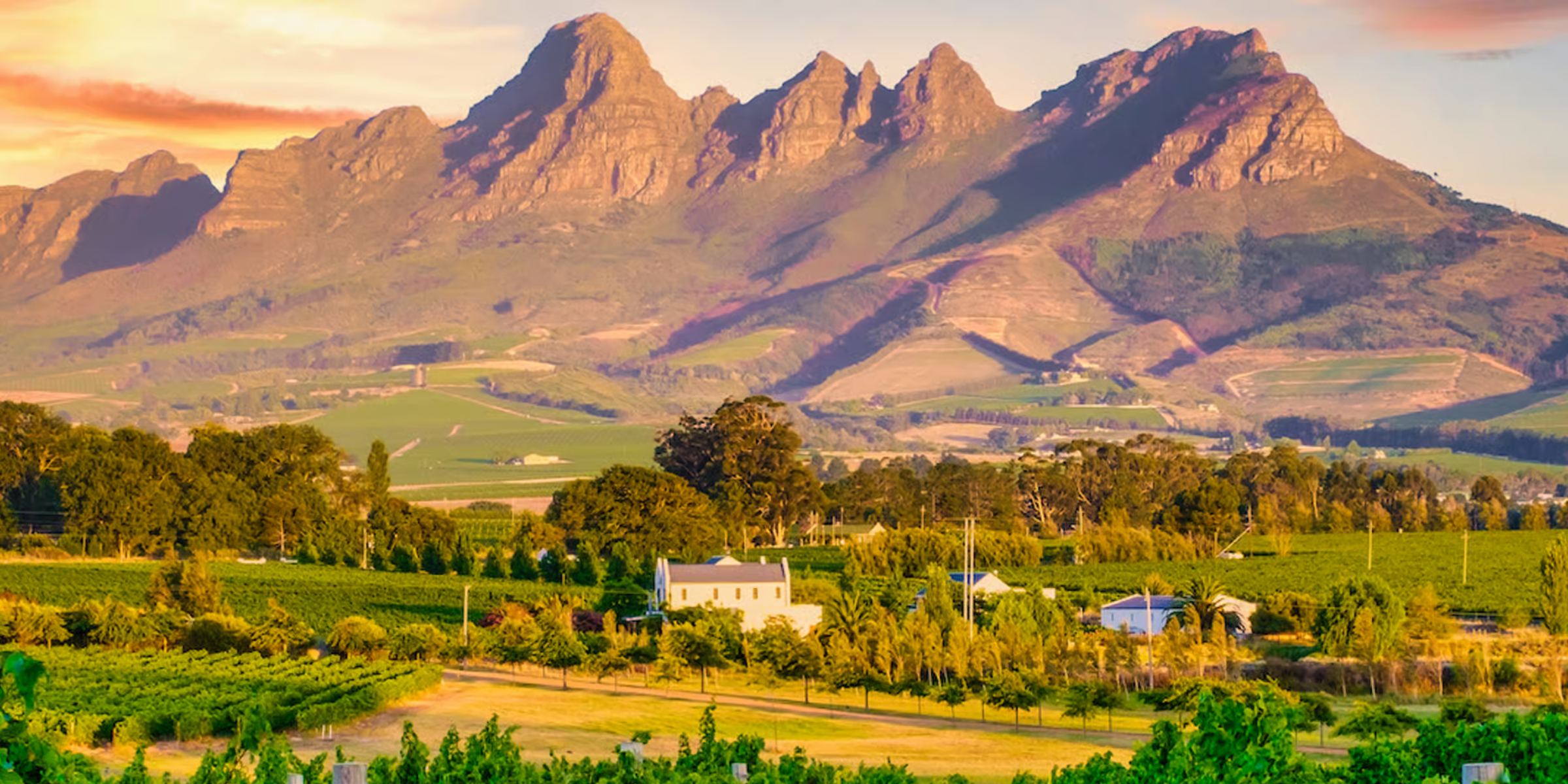
The Cape Winelands are increasingly experienced as complete luxury destinations.
The vineyard, architecture, landscape, restaurant, cellar and hospitality all contribute to the identity of an estate. Michelin’s methodology, with its emphasis on agronomy, identity and consistency alongside technical quality, is designed to look beyond a single tasting experience.
If the Grape distinction eventually reaches South Africa, that broader approach could create an interesting conversation around what makes an exceptional wine estate.
Would it be the quality of the wine alone? The consistency across vintages? The relationship between the vineyard and the landscape? The philosophy of the winemaker? Or the complete experience surrounding the bottle?
South Africa already has its own answers to those questions.
Michelin would simply introduce another perspective.
The Question Of Authority
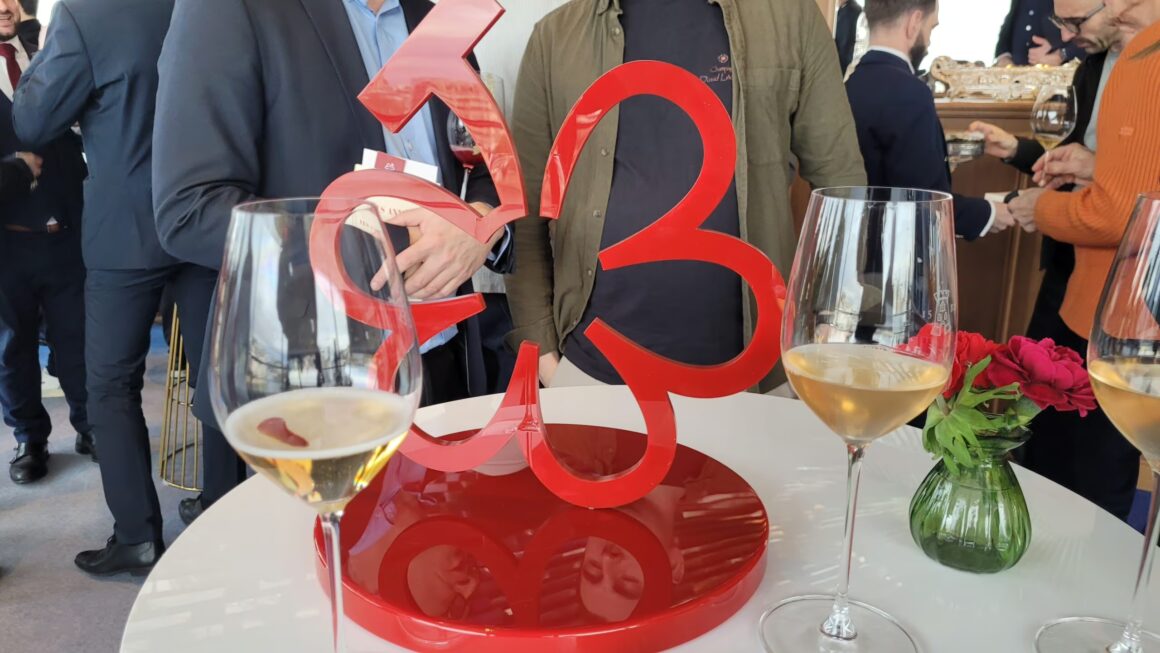
The arrival of Michelin in Bordeaux has already demonstrated how sensitive wine’s hierarchy can be.
Established producers received different levels of recognition, prompting debate among critics and professionals about Michelin’s methodology and the complexity of assessing vineyards and estates. Those disagreements are not necessarily a problem; they demonstrate how deeply established the existing systems of wine authority are.
South Africa would present its own complexities.
Stellenbosch, Franschhoek, Constantia, Swartland, Hemel-en-Aarde, Elgin and other regions each possess different histories, climates, soils and approaches to winemaking.
A Michelin selection would have to navigate that diversity while working alongside an established South African wine culture rather than replacing it.
If Michelin Comes To The Cape
South African wine does not need Michelin to establish its international credibility. The country’s producers have spent decades building reputations among collectors, critics and consumers around the world.
But Michelin carries a particular kind of global recognition.
If the Grape distinction eventually arrives in the Cape Winelands, its significance may extend beyond the number of grapes awarded. For luxury travellers, collectors and international visitors, Michelin recognition could become another way of discovering South African estates and experiencing wine within the landscape from which it comes.
And perhaps that is the more interesting question.
Not whether South Africa needs Michelin, but what Michelin would discover when it encounters a wine culture that already knows how to define excellence for itself.