|
Getting your Trinity Audio player ready...
|
Bringing together approximately 700 works by more than 80 artists, Remember Me at Paris’s Bourse de Commerce examines how photography shapes memory, identity and the way we see the world.
Photography has spent two centuries documenting the world, preserving fleeting moments and shaping how people understand themselves and others. At the Bourse de Commerce in Paris, Remember Me, presented by Pinault Collection, revisits this history through an exhibition that brings historical photographs into conversation with contemporary artistic practice.
Running from 7 October 2026 to 18 January 2027, the exhibition features approximately 700 works by more than 80 artists. Curated by Matthieu Humery, Photography Advisor to Pinault Collection, in collaboration with Lola Regard, the presentation marks the bicentenary of photography while examining its continuing relationship with memory, identity and representation.
Rather than following a chronological sequence, Remember Me creates connections across generations, movements and photographic techniques. Drawn from a collection of more than 8,000 photographic prints, the exhibition moves between portraiture, experimental imagery, landscape, fashion and conceptual art, inviting visitors to consider how photographs preserve individual experiences while contributing to a shared visual history.
Barbara Kruger And The Language Of Memory
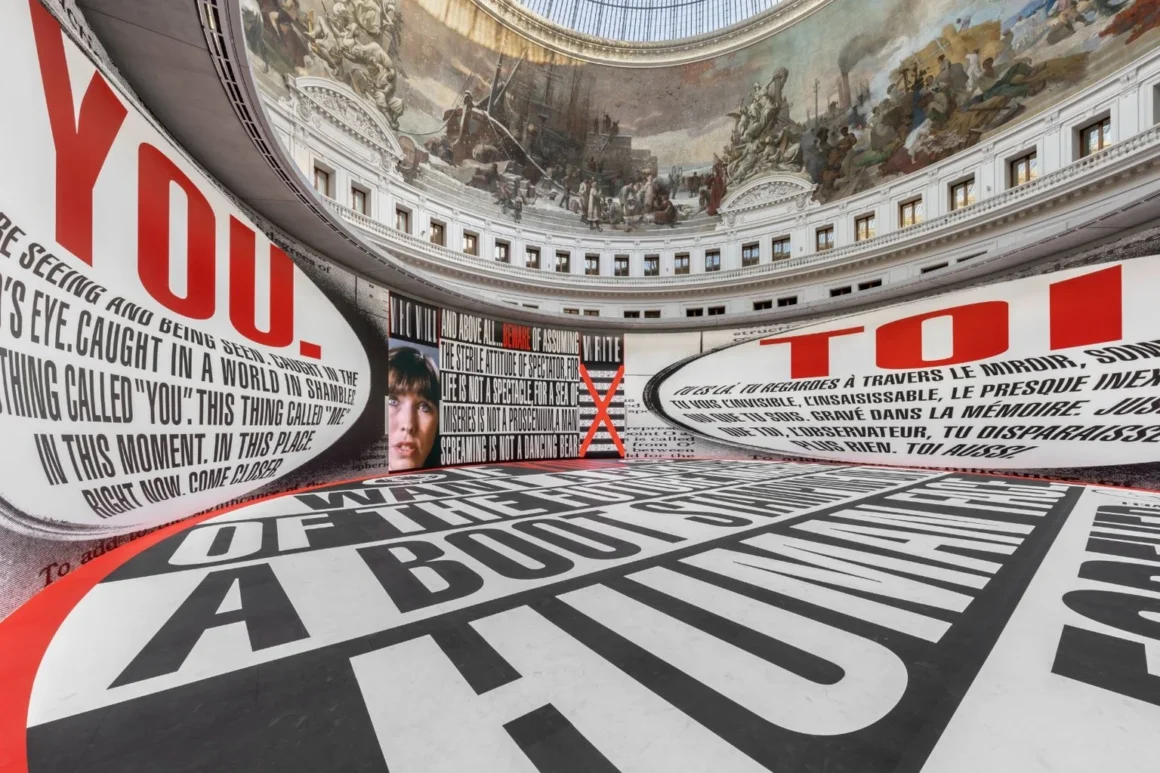
At the centre of the exhibition, American artist Barbara Kruger’s The History of Tears transforms the Bourse de Commerce’s Rotunda into an immersive environment of text, moving images and sound. Created specifically for the space and its surrounding 24 display cases, the installation extends across the museum’s curved concrete walls, incorporating large-scale projections in black, white and red.
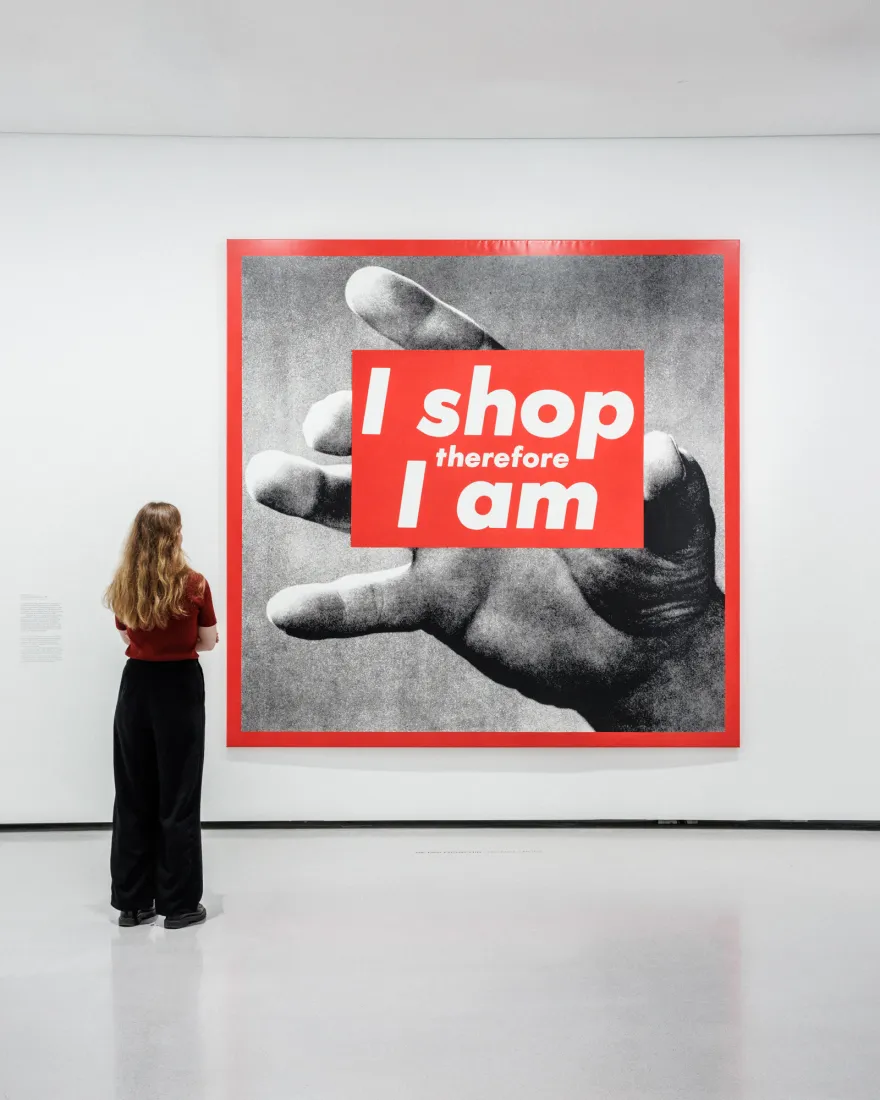
The illuminated cases carry messages that address memory, power and human relationships. Nearby, Untitled (Remember me) (1988/2020) presents a close-up of an eye on an LED screen, accompanied by changing textual commands and industrial music. Together, the works examine how images and language influence perception, challenge authority and shape the ways people relate to one another.
Kruger’s interventions provide a contemporary counterpoint to the historical photographs elsewhere in the exhibition, bringing the act of looking itself into focus.
Irving Penn And The Art Of Seeing
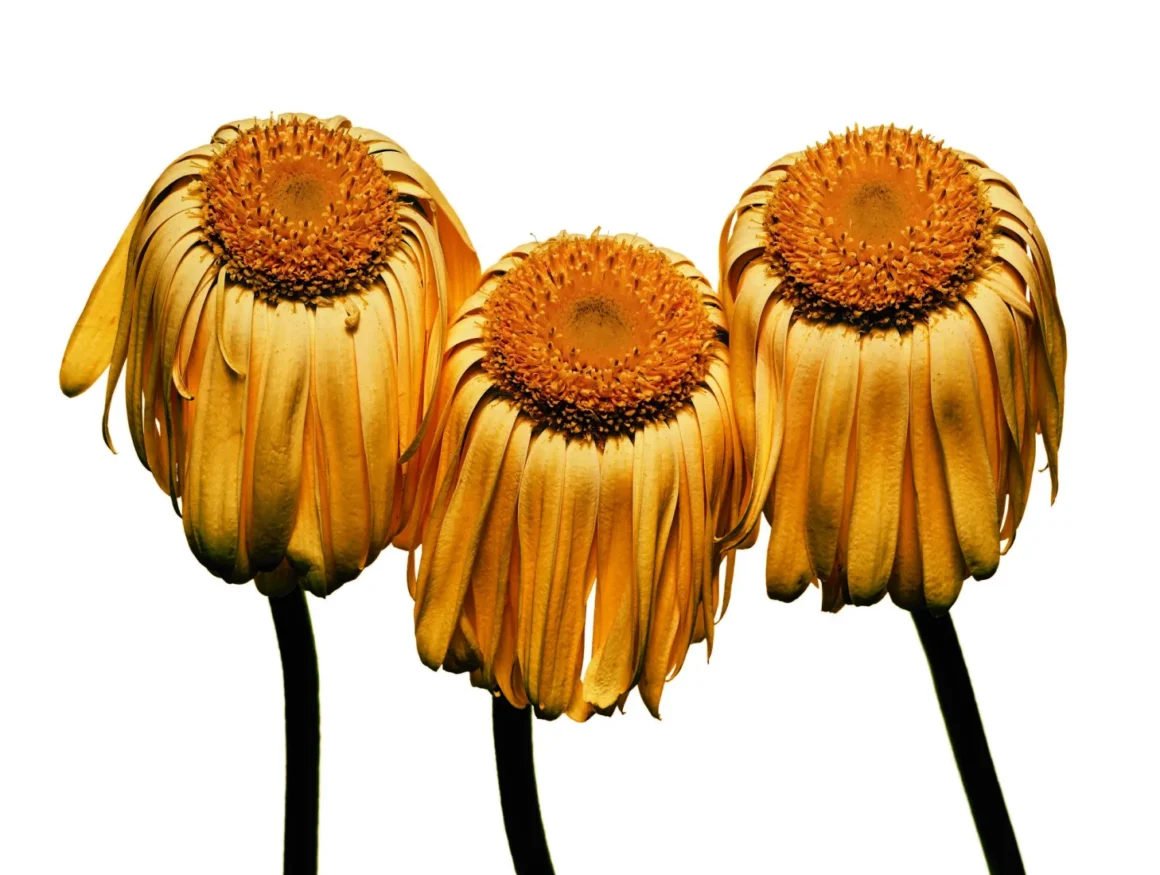
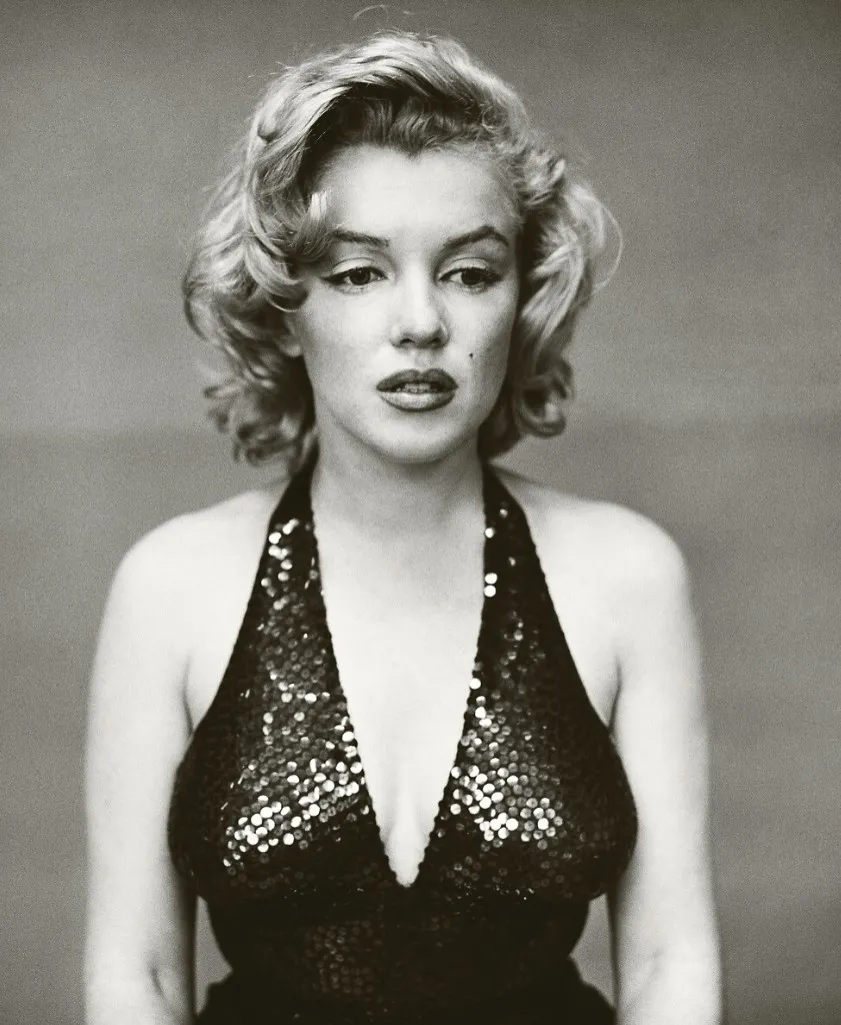
Two substantial presentations give particular attention to the work of Irving Penn and Raymond Depardon. In Gallery 2, Le monde selon Penn brings together almost 450 photographs produced between the 1940s and early 2000s. Fashion images, portraits, still lifes and floral studies demonstrate Penn’s disciplined approach to composition, light and printing.
His photographs reveal how careful framing can transform a subject, whether a person, an object or a flower, into an image of lasting visual significance. The presentation also highlights the range of his practice across decades of photographic work.
Gallery 3 turns to Depardon’s La France, a series of 48 colour photographs documenting roads, provincial towns, houses and commercial buildings. Developed through extensive journeys across France, the series observes the everyday environments that make up the country’s social and architectural landscape. Its attention to ordinary places offers a different perspective on photography’s documentary role: recording not only major events, but also the spaces through which daily life unfolds.
From Historical Processes To Contemporary Images
Across the remaining galleries, Remember Me explores photography through recurring subjects and technical approaches. Historical seascapes by Gustave Le Gray appear alongside works by Eileen Quinlan and Hiroshi Sugimoto, establishing a dialogue between early photographic experimentation and later investigations into light, exposure and the limits of representation.
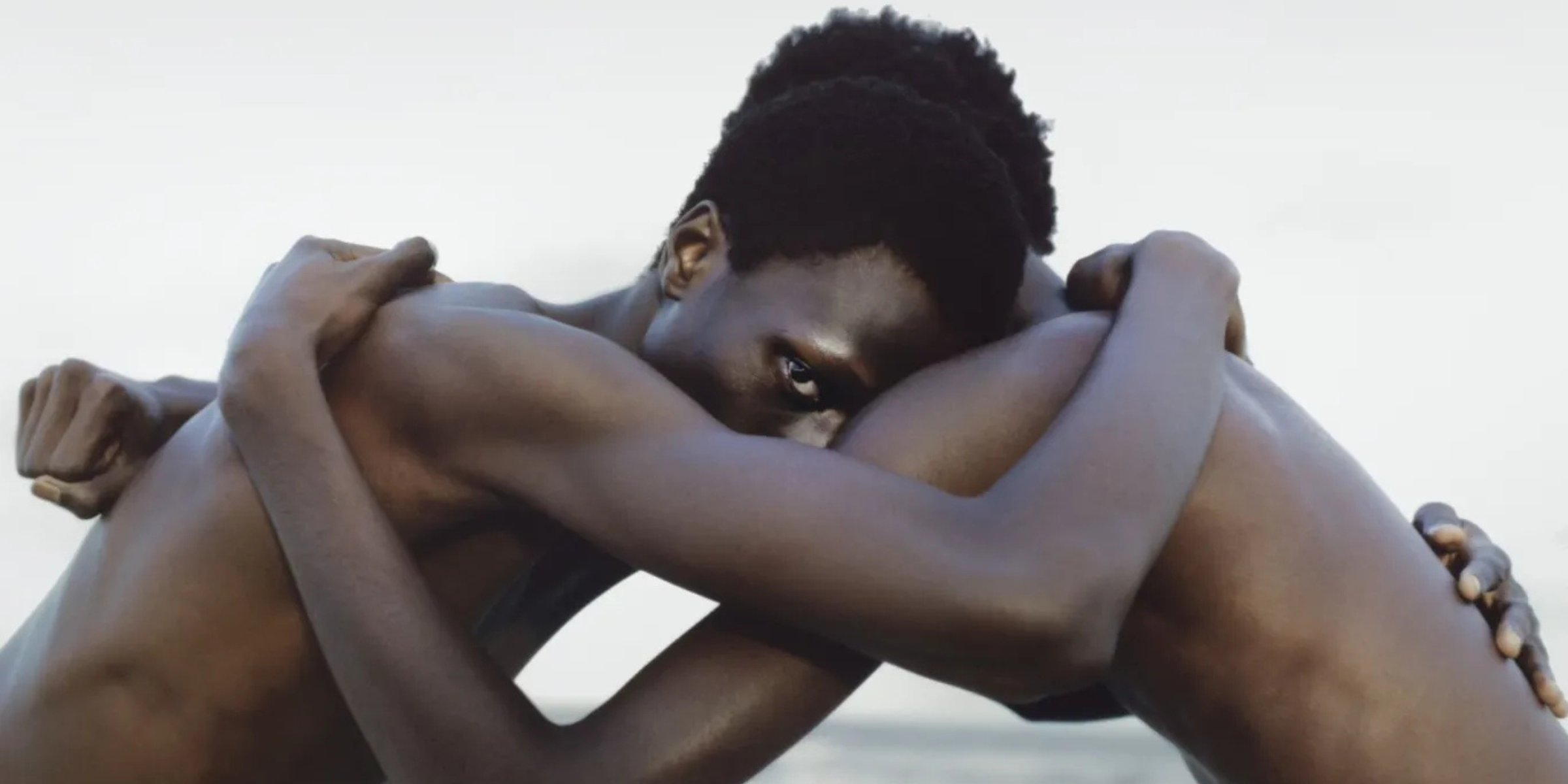
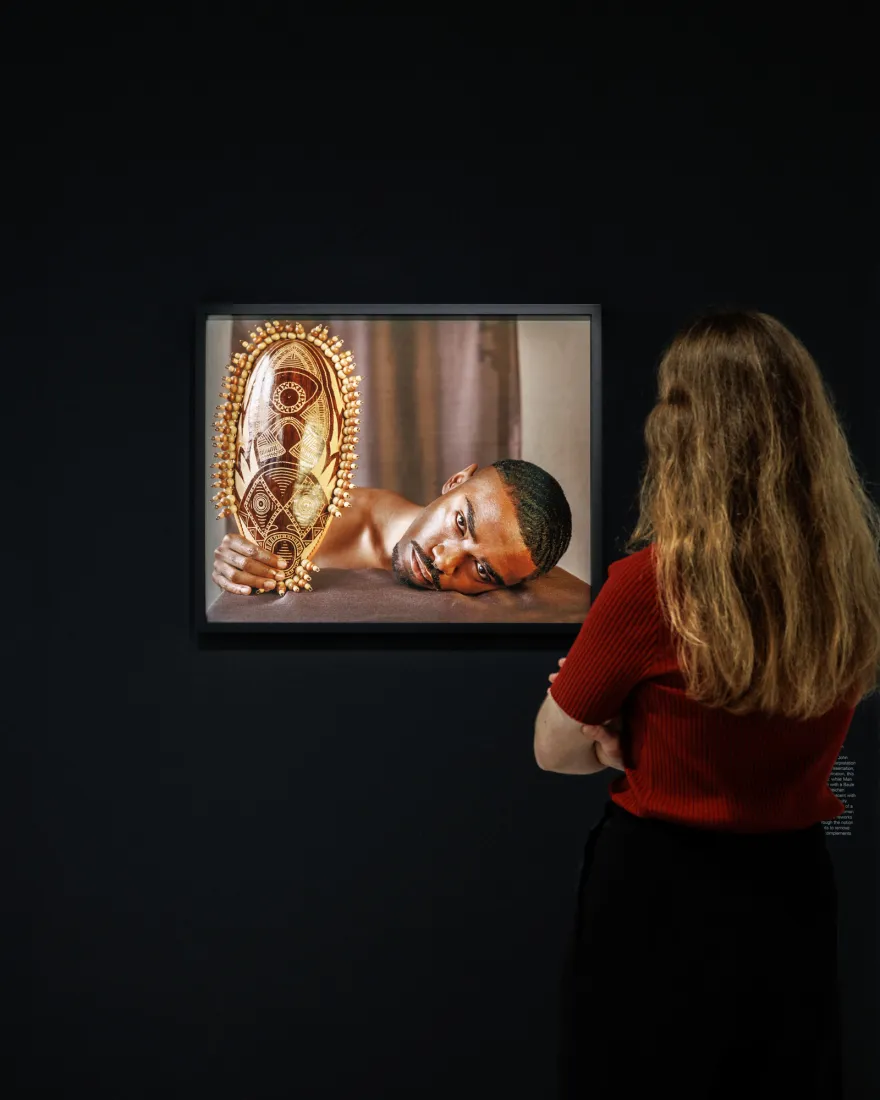
The human body becomes another point of connection. Photographs by Dora Maar, Claude Cahun, Annie Leibovitz and Helmut Newton explore faces, hands and physical presence, while works by Francesca Woodman and Tyler Mitchell consider absence and the gradual disappearance of the human figure.
Richard Avedon’s Dovima with Elephants is presented in three different print sizes, demonstrating how scale can alter the experience of a photograph. The image remains recognisable, yet its relationship with the viewer changes as its physical dimensions change. In this context, the photograph is understood not simply as a fixed record, but as an image whose meaning can shift through presentation and interpretation.
Photography Beyond The Frame
The exhibition extends into the Bourse de Commerce’s Auditorium and Studio, where contemporary works consider the changing boundaries of photographic practice.
Nan Goldin’s Stendhal Syndrome (2024) brings together images of classical artworks with portraits of friends and lovers, accompanied by music and narration. The work connects the history of art with personal relationships, exploring how images can hold both cultural significance and intimate emotional associations.
Coleman Collins’s Specular Fiction (2024) examines digital reproduction and the preservation of cultural objects through three-dimensional modelling. Its inclusion broadens the exhibition’s scope beyond traditional photographic prints, considering how contemporary technologies influence the ways images and objects are recorded, reproduced and remembered.
What We Choose To Remember
Across its galleries, Remember Me places photography within a wider discussion about time, identity and the preservation of experience. Its historical and contemporary works approach these questions differently, but share an interest in the image as a record of presence, a construction of identity or a means of confronting absence.
The exhibition’s non-chronological structure allows these ideas to emerge through visual relationships rather than a single historical narrative. A nineteenth-century seascape can speak to a contemporary experiment with light; a fashion photograph can sit within a wider conversation about the body, representation and cultural memory.
At the Bourse de Commerce, photography’s 200-year history becomes a living dialogue between images, artists and audiences. Remember Me invites visitors to consider what photographs preserve, what they leave behind and how the images that endure continue to shape collective memory.
Exhibition Details
- Exhibition: Remember Me
- Venue: Bourse de Commerce, Paris, France
- Dates: 7 October 2026 – 18 January 2027
- Curators: Matthieu Humery and Lola Regard
- Presented by: Pinault Collection
- Official website: https://www.pinaultcollection.com/en/boursedecommerce
All Images Courtesy Of Pinault Collection