|
Getting your Trinity Audio player ready...
|
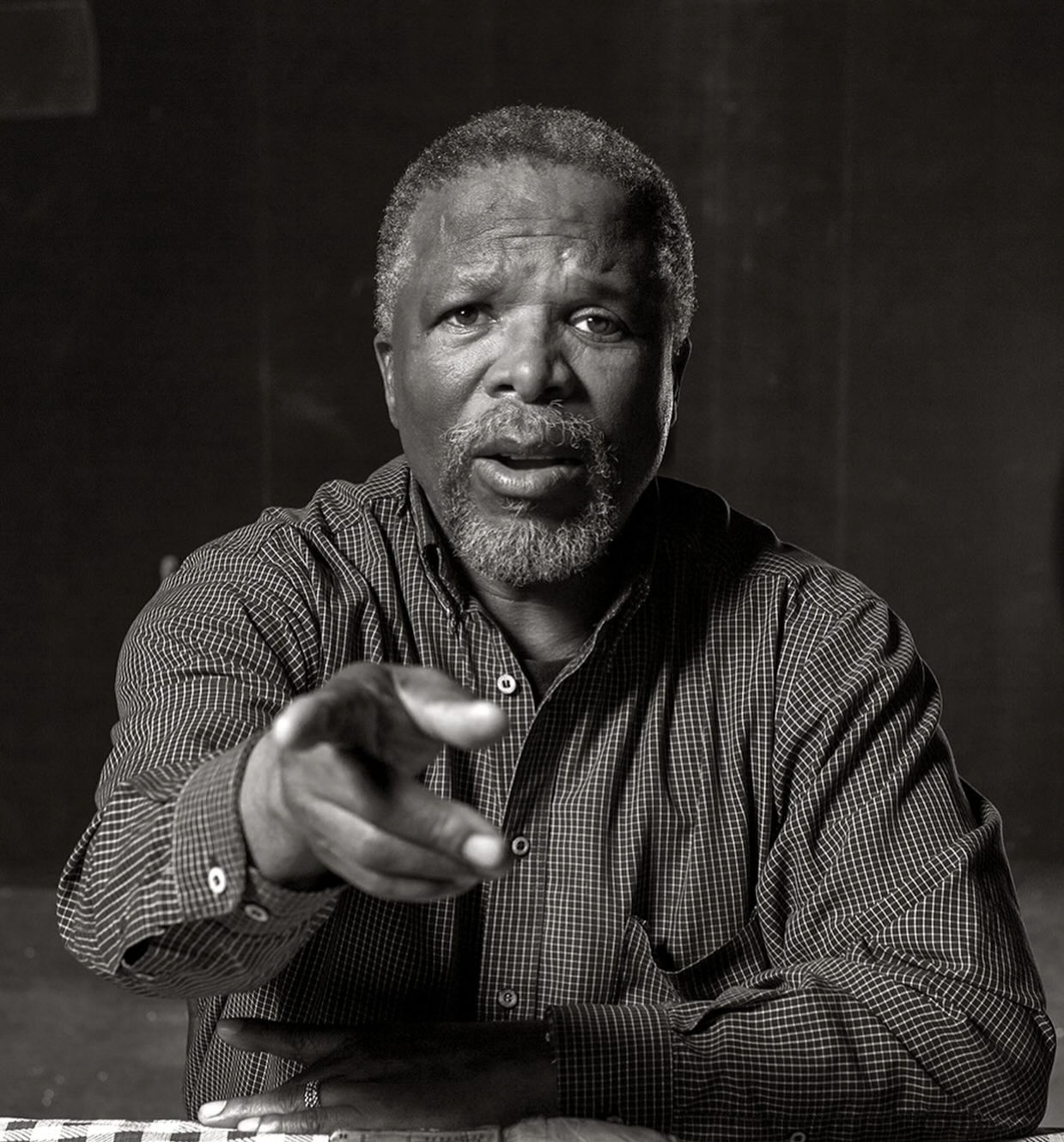
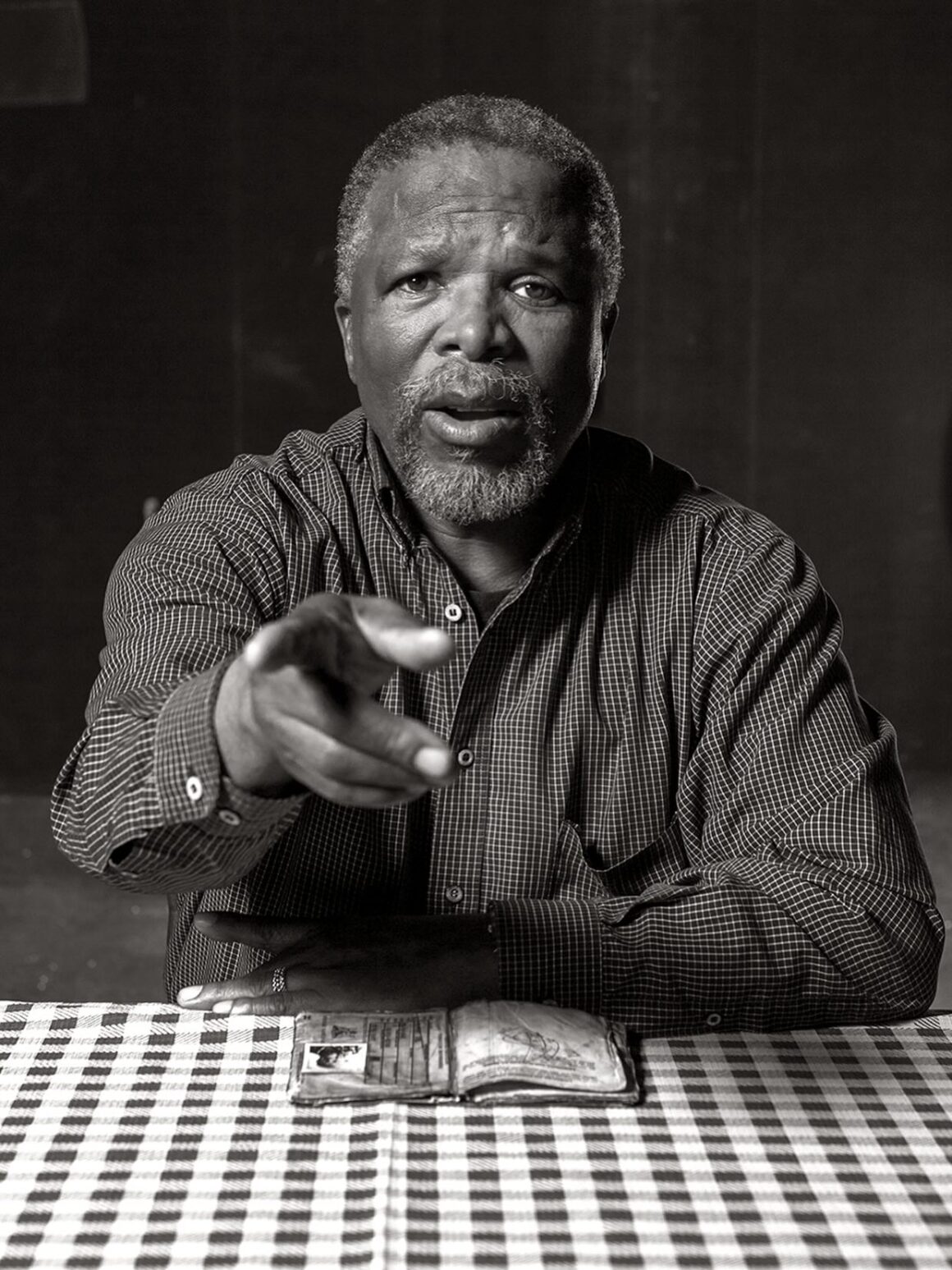
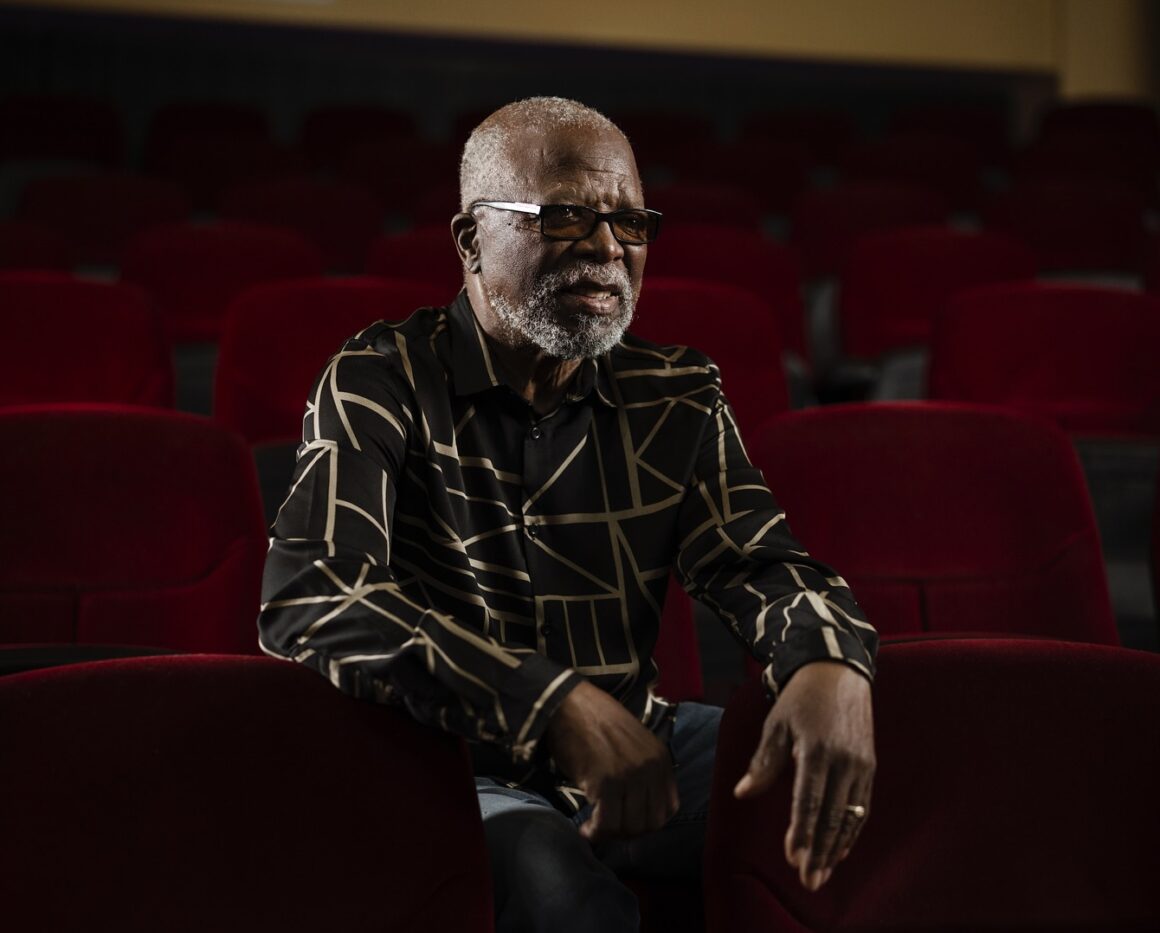
At 83, Dr John Kani’s six-decade career across theatre, film and cultural leadership is being honoured at the Apartheid Museum, where a new exhibition traces the journey of one of South Africa’s most consequential storytellers.
There are careers that can be measured in productions, awards and credits. Then there are careers that become part of the cultural memory of a country.
Dr John Kani’s belongs to the latter.
For more than six decades, Kani has moved between theatre, film, playwriting, mentorship and cultural leadership, developing a body of work that has travelled from the rehearsal rooms of Port Elizabeth to international stages and Hollywood. His career has unfolded alongside South Africa’s own transformation, making his story inseparable from the country’s artistic and social history.
The Apartheid Museum is now giving that story a dedicated space with John Kani: A Living Legend, an exhibition that opened on 30 August and runs until 30 November 2026. Through photographs, text, artefacts and film, the exhibition revisits key moments from Kani’s stage and screen career while examining the ideas that have shaped his work as an artist, playwright, mentor and cultural leader.
From New Brighton To The World
Born in New Brighton in 1943, Kani’s relationship with theatre began early, but his encounter with the Serpent Players in 1965 proved transformative. The group, formed in New Brighton in the early 1960s, became closely associated with playwright Athol Fugard and fellow performer Winston Ntshona, producing work that would eventually reach audiences far beyond South Africa.
The significance of that period cannot be separated from the political and social environment in which the work was created.
Theatre became a means of examining the realities of apartheid and the lives of people living under a system designed to control virtually every aspect of their existence. Kani’s work would continue to return to questions of identity, power, inequality, democracy and reconciliation.
Among the defining works associated with his career are Sizwe Banzi Is Dead and The Island, collaborations that became important works of South African theatre and eventually reached international audiences.
The stage gave Kani a language through which to tell stories that could not easily be separated from the society around him.
The Actor As Storyteller
Kani’s international career eventually expanded well beyond theatre.
His screen work has introduced him to global audiences through productions including Sarafina!, The Lion King, The Ghost and the Darkness and Marvel’s Black Panther, among others.
Yet international recognition is only one part of his story.
What makes Kani’s career particularly significant is the way his screen visibility sits alongside a much longer commitment to theatre and cultural development. Hollywood became another stage, rather than a replacement for the one on which his artistic identity had been formed.
That distinction matters.
Kani’s career has always been rooted in storytelling as a cultural practice rather than simply acting as a profession.
The Theatre Beyond The Stage
His influence also extends into institution-building.
For more than 25 years, Kani has served as chairman of the Apartheid Museum’s Board of Trustees, helping guide an institution whose central purpose is to preserve and interpret one of the defining chapters of South African history.
That relationship gives the current exhibition another layer of meaning.
Kani is not simply being exhibited by an institution with which he has no connection. He has helped shape the institution itself.
The museum has described his work as a playwright as being concerned with questions surrounding democracy, reconciliation and inequality, themes that also sit naturally within the museum’s broader mission.
His artistic and institutional lives therefore intersect in an unusually direct way.
A Gallery Named For A Living Artist
The tribute extends beyond the exhibition.
The Apartheid Museum has officially renamed its temporary exhibition space the John Kani Gallery, permanently associating his name with an institution whose exhibitions have previously explored figures and histories including Steve Biko, Ahmed Timol and Oliver Tambo.
It is an unusual form of recognition because it places Kani’s name within the physical architecture of an institution he has helped guide.
The gallery becomes part of his legacy, while the exhibition becomes a record of the journey that brought him there.
The Responsibility Of Recognition
Recognition, however, has never appeared to be the endpoint of Kani’s philosophy.
Speaking at the exhibition, Kani reflected on the responsibility that comes with acknowledgement, arguing that recognition should be followed by continued work and service.
That sentiment offers an important lens through which to view the exhibition.
At 83, the story is not simply about looking back over six decades. It is about the relationship between experience and responsibility, between the work already created and the obligation to continue contributing.
That idea also explains why Kani’s story resonates beyond theatre.
A Living Legacy
John Kani: A Living Legend places a remarkable career within the institution he has helped shape, bringing together the personal, artistic and cultural dimensions of his life.
From New Brighton to international stages, from the Serpent Players to Hollywood, from playwright to mentor and cultural leader, Kani’s journey reflects more than the evolution of one performer.
It reflects the journey of South African storytelling itself.
The exhibition remains at the Apartheid Museum until 30 November 2026, offering audiences an opportunity to encounter that history through the photographs, artefacts, films and stories of the man who helped write so much of it.